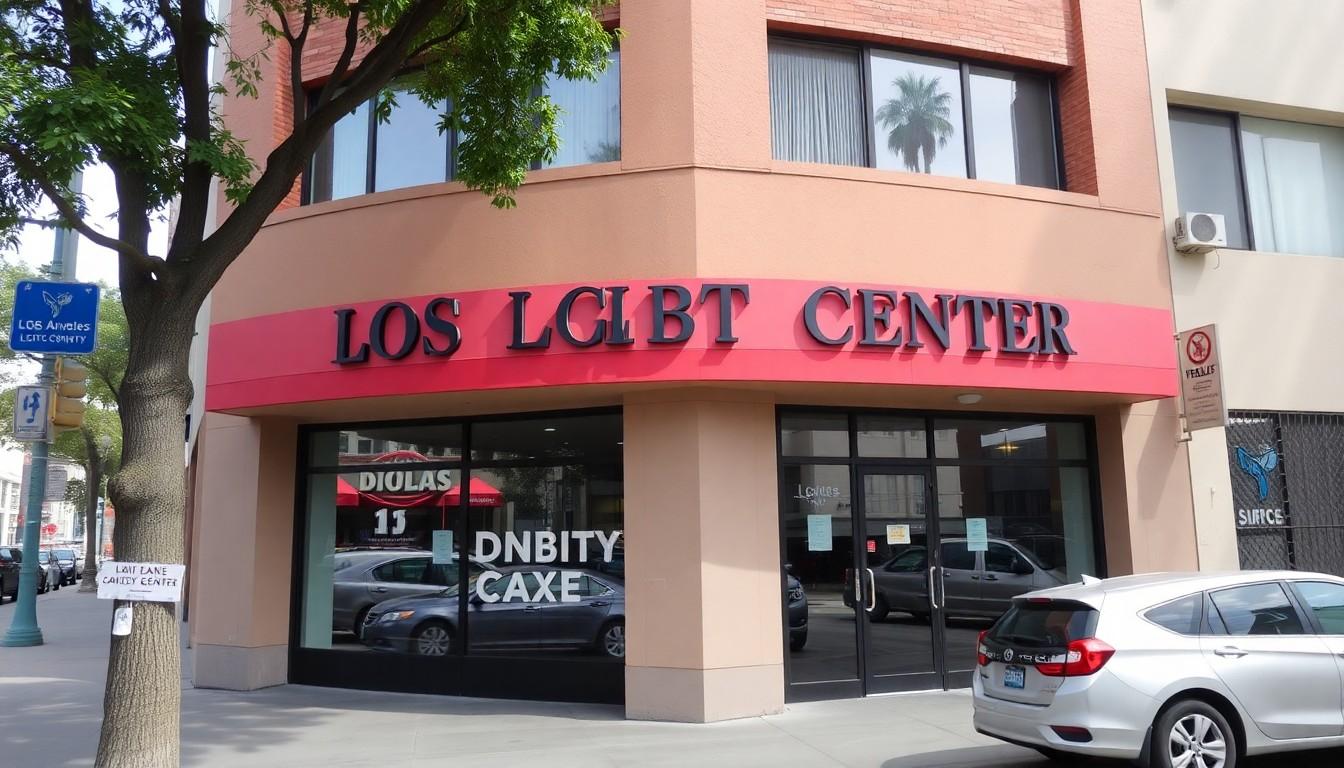
Notice how many of the people who held the line during the AIDS crisis were women; readers are revisiting the question of why the "L" comes first in LGBT+ and what that ordering actually honours. From blood drives to hospice care, lesbians stepped up when governments and institutions looked away, and that legacy still matters for queer solidarity today.
Essential Takeaways
- Critical timeline: The CDC first identified cases of what became AIDS in 1981 and mortality surged through the decade, revealing delayed government response.
- Practical action: Lesbian groups organised blood drives and volunteer care when shortages and stigma limited access to treatment and hospital support.
- Community impact: Their work helped destigmatise HIV, pushed for better health resources, and cemented cross-gender solidarity within the queer movement.
- Why the acronym: Shifting from GLBT to LGBT acknowledged lesbians’ leadership and the need to recognise women’s distinct political and social role.
- Lasting resonance: The practical, hands-on activism of the 1980s still shapes conversations about care, representation and how we remember queer history.
A stark fact opens the story: 1981 to 1990 changed everything in plain, painful terms
The first CDC reports in the early 1980s marked the start of an epidemic that would reshape parts of the queer community and the nation’s public-health response. The statistics are blunt: tens of thousands of deaths and a patchwork of responses from hospitals, policymakers and the public. According to CDC summaries from that era, mortality rose fast while formal acknowledgement and funding lagged. That delay made grassroots action urgent and unavoidable.
When institutions hesitated, lesbians organised with practical, tender precision
Hospitals turned away patients, blood supplies were stretched and the stigma around HIV made people fearful of offering help. Lesbian activists and networks filled the gaps. They coordinated blood drives, lobbied blood banks, provided home hospice care and used professional skills, nursing, social work, teaching, to meet needs the state ignored. Those day-to-day acts, hand-holding, medication support, calls to families, were as politically potent as marches.
The story behind the letters: how an acronym became an act of recognition
Language matters, and the small reordering of letters in the queer acronym was never merely cosmetic. Moving the L to the front recognised that lesbians had been central to survival work during the crisis, not only as allies but as frontline carers and organisers. It was also a nod toward gender equality within queer activism, an acknowledgement that leadership and labour had too often been invisible.
How that history reshaped public conversation and policy pressure
Lesbian-led efforts didn’t just save lives; they shifted the debate. By refusing to accept abandonment as normal, activists forced conversations about funding, about how hospitals treat marginalised patients, and about the necessity of community-based healthcare. Their advocacy helped expose how policy delay and stigma exacerbated the death toll, and it contributed to a longer-term push for research, treatment access and better public health communication.
Why this matters now: lessons for activism, care and remembering
There’s a pragmatic takeaway here: in crises, community networks often move faster than formal institutions. Remembering lesbians’ role in the AIDS epidemic gives us a lens for assessing modern responses to health emergencies and for valuing emotional labour as political labour. It also nudges contemporary movements to credit and protect the people who do the caregiving and organising work that keeps a community alive.
It's a small change, putting a letter first, that carries a lot of history and a bigger lesson about gratitude, accountability and who we choose to honour.
Source Reference Map
Story idea inspired by: [1]
Sources by paragraph: