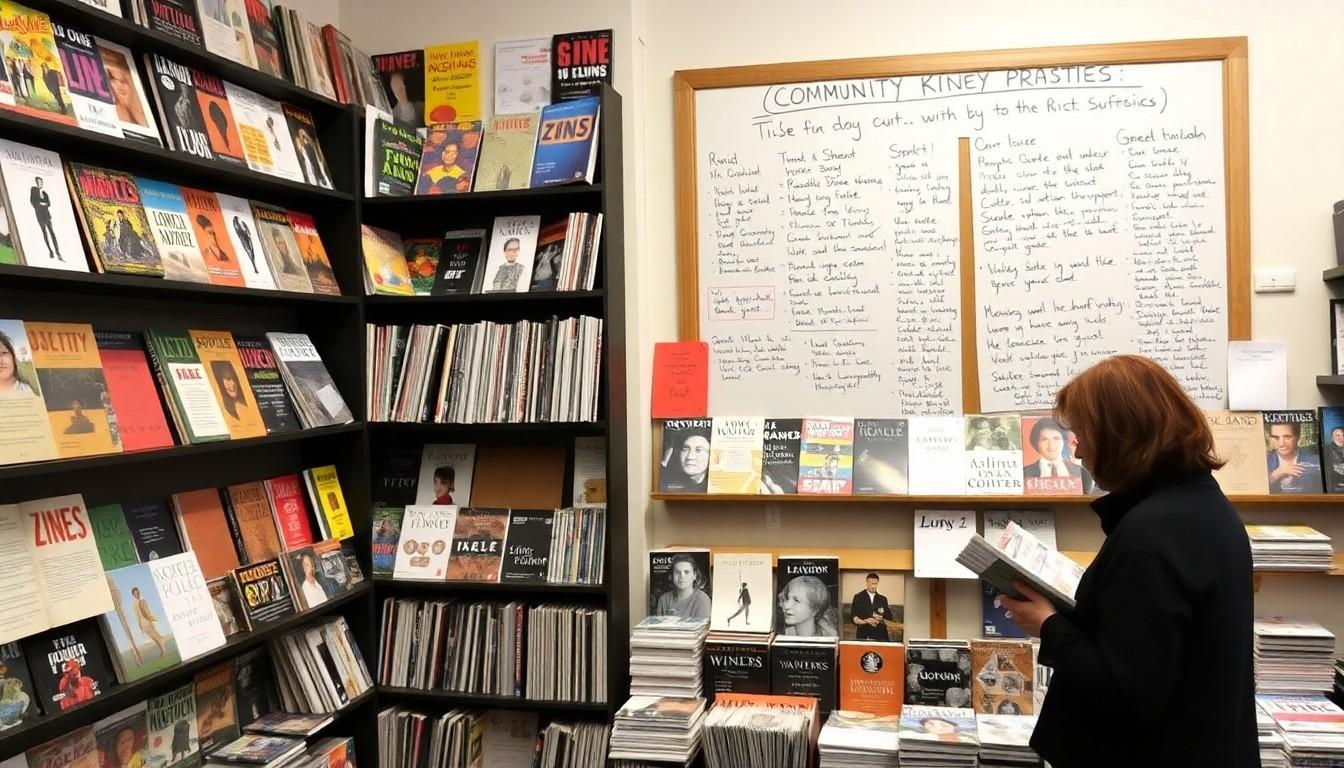
Shoppers are rediscovering old-school craft: young Queer and Trans creators across Seattle and beyond are turning to DIY zines to reclaim voice, build community, and escape hostile social spaces. This revival matters because zines are low-cost, tactile, and deeply personal , a trending, hands-on alternative to algorithm-driven platforms.
Essential Takeaways
- Accessible to make: Zines can be produced at home with basic supplies and copy-shop access, making them beginner-friendly and low-budget.
- Community-driven: Zine fests, workshops and local stores offer face-to-face connection and immediate feedback , warm, tactile engagement rather than likes.
- Historic roots: Zine culture has long been a voice for marginalised people, from early feminist and punk movements to 1990s Queer punk scenes.
- Safe, direct distribution: Handing out or selling zines at events, libraries, and indie shops keeps control with creators and avoids platform moderation or surveillance.
- Sensory appeal: The physical feel, collage textures and handwritten notes give zines an intimate, expressive quality digital posts rarely match.
Why zines are back , and why it feels different this time
Zines have always been noisy, stubborn and personal, but the current wave carries a different tenor: tech fatigue and privacy anxieties are pushing Gen Z back toward analogue ways to connect. According to recent reporting, younger Queer folks are increasingly wary of algorithmic feeds that amplify hostility and silence marginal voices. That makes slim booklets, photocopied pages and stapled chapbooks suddenly feel like safer, more authentic places to be heard. The tactile element matters, too , page-turning, collage glue and photocopied ink give a warmth and immediacy that screens can’t replicate.
A living history: punk, AIDS activism and the Queer archive
The zine revival isn’t a nostalgic hobby; it’s an inheritance. Zines grew from 20th-century fandoms and exploded with punk’s DIY ethos in the late 1970s and 80s, then mutated under the pressure of AIDS-era organising and queer counterculture in the 1990s. OutPunk and other publications mixed music, anger and survival, while city-focused zines pushed back against corporate gay media. That lineage explains why zines still attract people seeking collective memory and radical expression rather than glossy representation.
How local scenes fuel the movement , workshops, libraries and fests
Places like the Seattle Public Library and volunteer-run zine shops have made zines more visible and accessible. Community-run workshops at print guilds and recurring meetups give people tools and confidence to make their first issues. Zine fests, which now regularly gather a hundred-plus vendors, offer the best kind of market research: immediate reactions, trades, and conversations. These events build networks, help people sell or swap work, and create a feedback loop that keeps participation high.
Making a zine: practical tips for beginners
Start small , a four- or eight-page photocopied booklet is enough to practice layout, voice and pacing. Use things you already have: old magazines, scissors, a glue stick, a biro and a camera will do. Choose a clear theme , a personal essay, a mixtape of local poetry, or how-to guides for transition care are all good starters , and think about print run: 20–50 copies is manageable. If you want a cleaner finish, local copy shops can collate and staple for a small fee. And don’t forget distribution: swap at zine nights, donate a copy to the library, or table at a zine fest.
Why zines matter for Queer and Trans people today
Beyond craft, zines restore control. They let creators set tone, sell directly and preserve work in physical archives where it can’t be deplatformed overnight. For many, zine-making is political and therapeutic at once , a way to document transition stories, organise locally, or simply share art without gatekeepers. As one organiser told local reporters, zine culture’s accessibility and history as a voice for marginalised communities keep it perpetually relevant.
It's a small change with big impact: turning a page can feel like reclaiming a space.
Source Reference Map
Story idea inspired by: [1]
Sources by paragraph: