Notice how everyday city places can quietly become lifelines: thrift stores, libraries, genderless bathrooms and anonymous third spaces are doing more than serving needs , they’re creating refuge, community and practical freedom for trans and nonbinary residents in towns large and small.
Essential Takeaways
- Thrift stores: Affordable, low-pressure places to try new clothes and gender expression, with a relaxed vibe and often helpful staff.
- Public libraries: Free WiFi, research resources and quiet study spaces offer privacy and access to community information.
- Gender-neutral bathrooms: Reduce harassment and create safer day-to-day experiences for trans and nonbinary people.
- Third spaces: Cafés, community hubs and volunteer-run shops give anonymous socialising without scrutiny.
- Small changes, big impact: Modest municipal investments and supportive local businesses make cities feel more liveable and free.
Why thrift shops matter more than you might think
Thrift stores are less about bargains and more about possibility, especially for trans and nonbinary people who want to experiment with style without a big financial or social commitment. They offer a mix of affordability, variety and low-stakes dressing rooms where someone can try on a new look and see themselves differently.
Local examples show the ripple effect. Independent shops that position themselves as community hubs often host swap nights, styling help or quiet hours, and they become places where people meet allies and mentors. If your council wants to support inclusion, backing small secondhand retailers is a practical, low-cost move.
Libraries: quiet refuge, loud resources
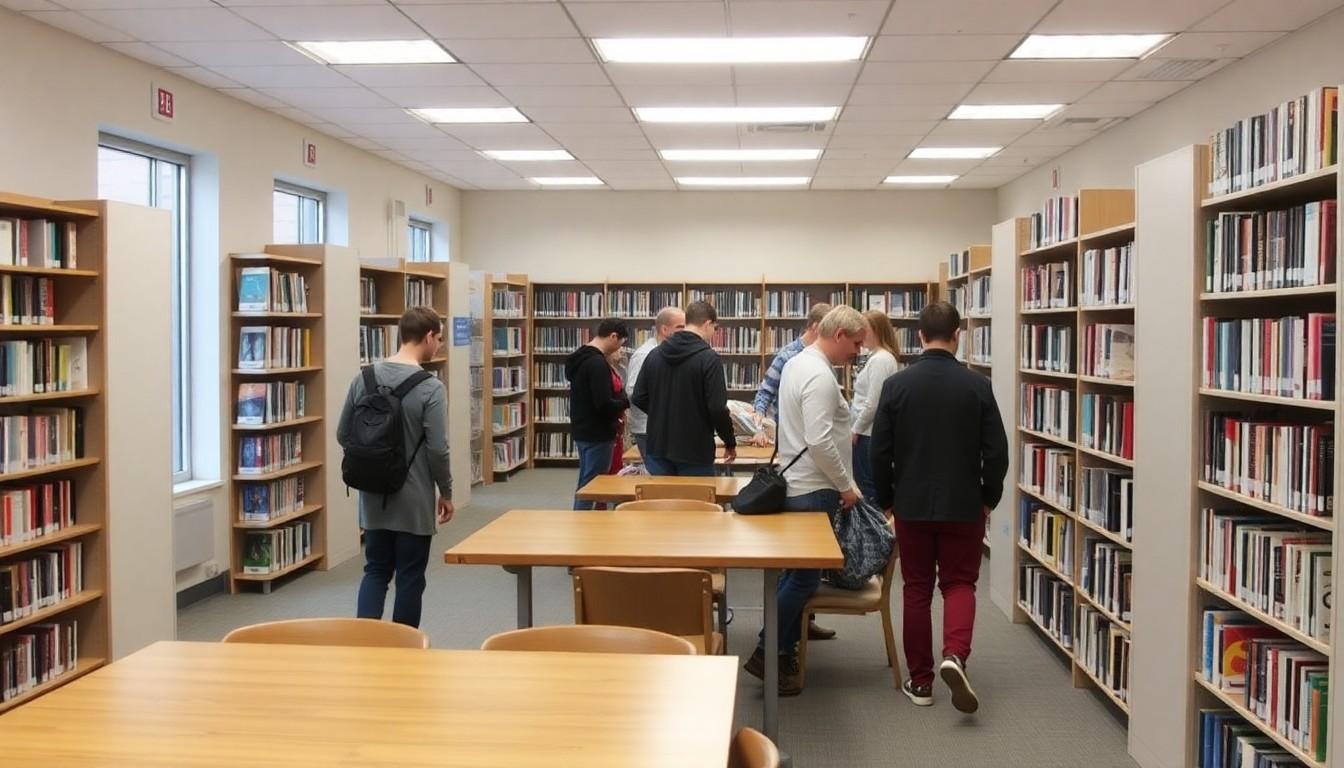
Public libraries do a lot of heavy lifting quietly. They offer free internet, books, and a neutral space where people can research their identities, access health information or simply be indoors without being questioned. For those not ready to come out publicly, libraries provide privacy and a chance to learn on their own terms.
Libraries that train staff on privacy and inclusive language add an extra layer of safety. Funders should remember that keeping branches open and WiFi free is an inclusion policy as much as it is an educational one.
Gender-neutral bathrooms actually change daily life
Gender-neutral bathrooms aren’t only symbolic , they reduce the everyday risk of harassment and make ordinary errands less stressful. For someone navigating a transition or who simply doesn’t want to be policed by binary signage, a single-door, accessible restroom can mean the difference between going out or staying in.
Design matters: lockable, well-signposted, accessible stalls with good lighting send a clear message that everyone is welcome. Municipalities can roll these into retrofit projects for a relatively small cost and immediate benefit.
Third spaces: anonymity, safety and social life
Not every safe place needs to be labelled “LGBTQ+ centre.” Cafés, community-run shops and casual meeting spots function as anonymous third spaces where people can exist publicly without being singled out. These spaces are often run on volunteer energy and a simple ethos of welcome, and they create social networks that help people find housing, health resources and friends.
Supporting third spaces means protecting small-business licences, allowing flexible use of public spaces, and recognising the social value of places that don’t fit into neat categories.
What cities can do , practical steps that don’t cost a fortune
Start with small policies that add up: encourage gender-neutral signage in public buildings, fund thrift-shop pop-ups in neighbourhood centres, expand library hours and public WiFi, and make planning rules flexible for mixed-use community spaces. Training frontline staff in public services to be respectful and discreet is cheap and effective.
Local councils should consult trans community groups when designing projects. The people who use these spaces know what works. And for the rest of us, a little curiosity and courtesy goes a long way , ask before you assume, and support the small places that make cities livable.
It's a small set of changes that can make daily life feel safer, freer and a lot more human.
Source Reference Map
Story idea inspired by: [1]
Sources by paragraph: