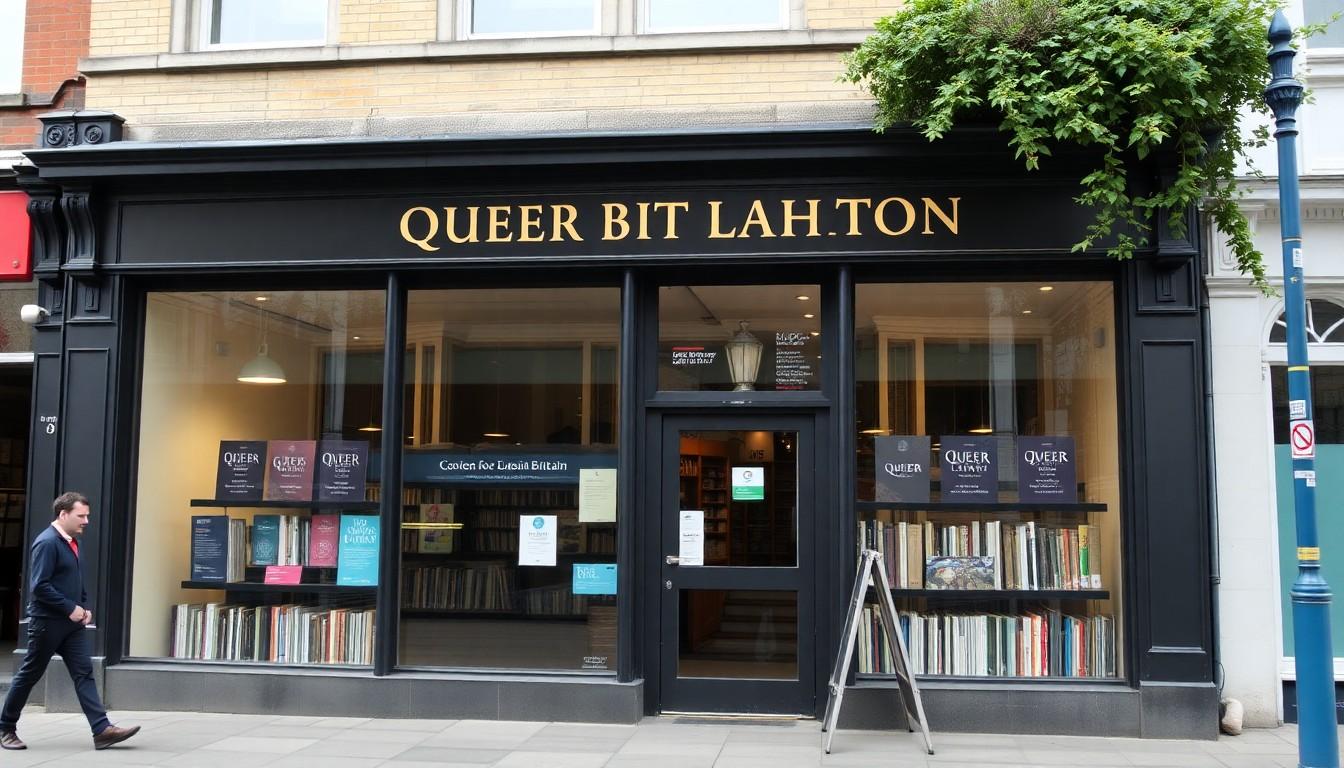
Discover a fresh way to feel Pride in London , Skittles and Queer Britain have teamed up to launch the Chosen Family Map and a £100,000 donation to help preserve queer stories that matter. Wander eight curated spots across the city and learn how chosen families created sanctuary, joy and resistance through the centuries.
Essential Takeaways
- Interactive resource: An online Chosen Family Map highlights eight London locations tied to LGBTQ+ community, past and present, with easy self-guided-walk potential.
- Meaningful donation: Skittles is supporting Queer Britain with a £100,000 gift to help protect and expand UK LGBTQ+ archives.
- Historic to modern: The map links 18th-century meeting houses to Bloomsbury haunts and contemporary visibility spots, blending history with everyday queer life.
- Accessible learning: The map is designed for students, tourists and locals alike , you can explore from home or take a walking route that feels personal and tactile.
- Emotional texture: The stories emphasise belonging, creativity and care , chosen family is presented as shelter and celebration.
A colourful partnership that centers chosen family
It’s striking when a familiar candy brand uses its reach to spotlight community history, and that’s exactly what Skittles has done by funding an online map with Queer Britain. The project frames chosen families , the networks of friends, collectives and safe spaces that have supported LGBTQ+ people , as central to the city’s social fabric, not just a footnote. The donation helps Queer Britain keep fragile archives safe, which matters because so much queer history is fragmented or at risk of disappearing.
This isn’t just corporate window-dressing; it’s a continuation of an ongoing collaboration that translates private memory into public storytelling. If you’re planning to walk the map, expect a mix of secretive, tucked-away sites and places that now pulse with visible pride.
From Molly houses to Bloomsbury salons , the map spans centuries
One pin on the map points to the kind of clandestine meeting place known in the 18th century as a Molly house, where queer men found community under threat of criminalisation. Another marks the former home of Lytton Strachey, connecting walkers to the Bloomsbury Group’s bohemian mixes of art, thought and queer companionship. Together the locations trace how queer people made kin out of choice when legal or family structures wouldn’t permit it.
If you like history that feels intimate rather than museum-silent, this route gives you that: tucked corners, café stops and plaques that make stories feel immediate. It’s also a reminder that queer life has always been inventive , people built networks to survive and to laugh.
Modern visibility sits alongside hidden histories
Not all the map’s sites are buried in the past. The LGBTQ+ traffic lights in Trafalgar Square, for instance, show how visibility can be woven into the everyday cityscape, offering small, recurring moments of recognition. Seeing queer symbols in public spaces changes the tone of a street; it’s a visible nod that you belong, however fleeting. The map stitches these contemporary markers to longer, sometimes secret histories, so every stop feels like a conversation between then and now.
For walkers, that means varied textures: from quiet memorials to bold street-level signals. Bring sensible shoes and a camera; you’ll want to pause and remember, or simply watch how the city absorbs these gestures.
How to use the Chosen Family Map , practical tips
You can access the map from home, from a university library or on the go, which makes it handy for different kinds of exploration. If you’re planning a real-world walk, pick a neighbourhood cluster and allow time for each site , some spots reward sitting with a coffee and reading up on the backstory. Students and teachers will find it useful as a visual learning tool; tourists get a deeper, less commercial view of London’s queer heritage.
If you’re guiding younger people, frame stops around care and community rather than only persecution , the map emphasises joy and creativity as much as hardship. And, if you want to avoid crowds, try weekday mornings when the city quietens and the histories feel louder.
Why this matters now , archives, access and the future of queer memory
Queer Britain’s collection work is crucial because archives shape what future generations can learn about LGBTQ+ life. The donation from Skittles will help preserve material that might otherwise be neglected, making queer stories easier to find and harder to erase. According to advocacy and cultural groups, keeping these narratives visible strengthens community resilience and public understanding.
Looking ahead, projects like the Chosen Family Map encourage civic belonging while nudging other organisations to back archival and storytelling work. It’s a neat example of how commercial muscle and cultural institutions can combine to keep memory alive.
It's a small change that can make every walk , and every shared story , feel a little more like home.
Source Reference Map
Story idea inspired by: [1]
Sources by paragraph: