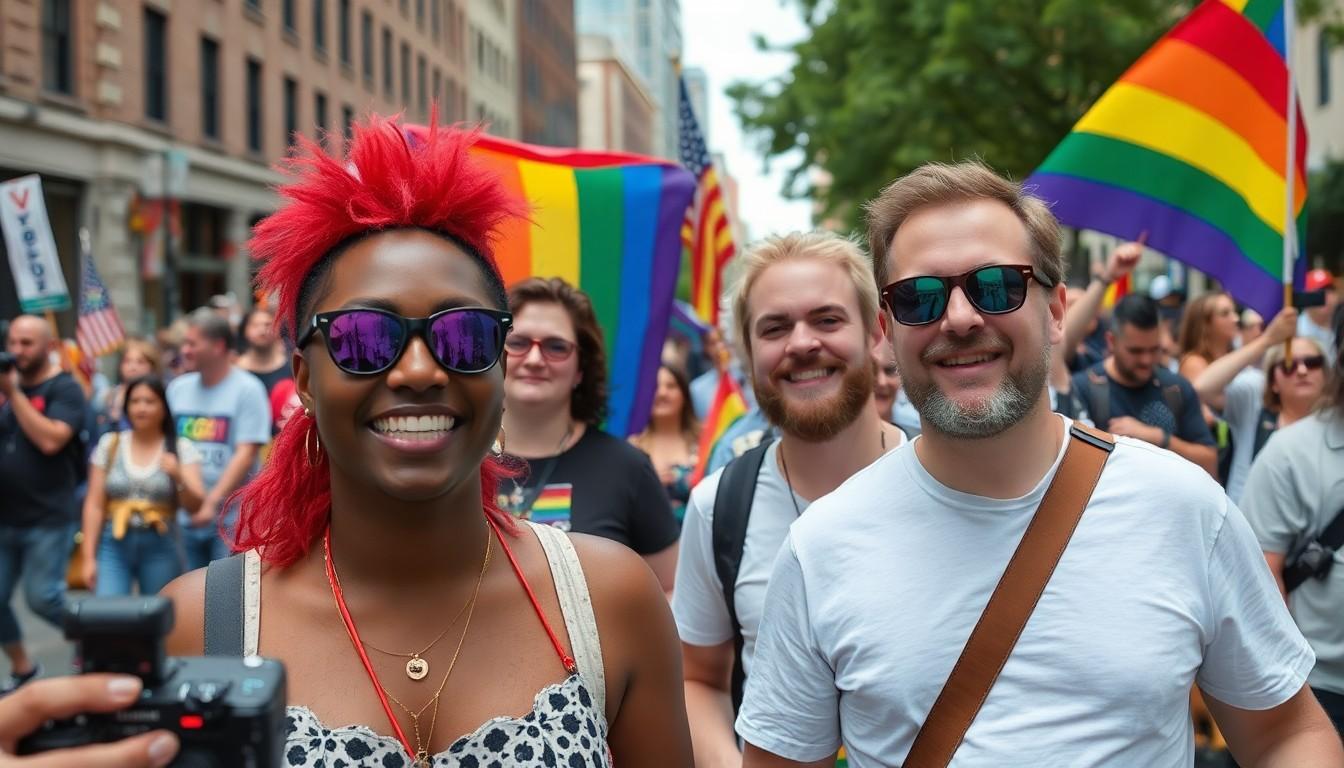
Shoppers of history and civic pageantry are noticing a shift: Pride isn’t an add‑on, it’s part of the story. Philadelphia’s decision to include an LGBTQ+ float in the Salute to Independence Semiquincentennial Parade brings queer history into view, honours figures like von Steuben, and reminds us why Pride is patriotic.
Essential Takeaways
- Historic tie‑in: Philadelphia’s semiquincentennial parade will feature an LGBTQ+ Pride float centred on Stonewall, connecting modern activism to national founding ideals.
- Visible recognition: Inclusion signals that LGBTQ+ people are woven into American history, not peripheral to it.
- Notable ancestor: Baron Friedrich Wilhelm von Steuben, a key Revolutionary War figure long suspected to have been gay, is increasingly highlighted in museum displays and park programmes.
- Practical display: The parade is part of a wider slate of America 250 events where museums and national parks are spotlighting queer contributions to the founding story.
- Community impact: For many queer Philadelphians, marching in a Fourth of July procession is both celebratory and deeply personal , a public claim on citizenship and belonging.
A Pride float at the heart of July 4th? It actually makes sense
Seeing an LGBTQ+ float roll down Broad Street feels striking and familiar at once, like a piece of the city finally stepping into the parade’s frame. The semiquincentennial celebrations have pushed organisers to rethink whose stories we parade and why. Including Stonewall imagery recognises Pride as part of the long work to make the nation’s promise real for everyone.
Historians and organisers say this isn’t a novelty but a correction: public commemorations increasingly aim to reflect the full sweep of American life. If you grew up in Philadelphia, Independence Hall is part of your landscape , and for LGBTQ+ residents, that landscape now feels more inclusive.
Why von Steuben matters to the story , and to people
Baron Friedrich Wilhelm von Steuben is enjoying renewed attention as museums and the National Park Service put more of his life on display. He trained Washington’s troops and helped professionalise the Continental Army; many scholars have long read his private life as queer, and that interpretation is finally getting space in exhibitions.
It’s more than biography. For attendees, naming von Steuben connects queer lives to the Revolutionary cause. That link helps people who once wondered whether the Declaration’s promise applied to them feel rooted in the nation’s founding ideals.
Museums and parks are updating the narrative
Across the country, institutions like the American Revolution Museum and the National Park Service are curating exhibits and events that include LGBTQ+ perspectives. Those displays are tactile: documents, uniforms, and interpretive cases make the past feel immediate, and they quietly change what visitors expect to see in patriotic storytelling.
If you’re planning a summer visit, look out for special talks and exhibits; they’re an accessible way to learn the threads that link Pride to independence celebrations. Expect candid labels and contextual programming rather than footnotes tucked away in archives.
What this means for communities on the ground
For the people riding that float , and for the crowds watching , inclusion is emotional as well as symbolic. Marching with your partner past Independence Hall, or spotting a story about a queer Revolutionary figure in a museum case, affirms everyday belonging. It’s a visible answer to the old question of whether the nation’s promise includes everyone.
Organisers and activists say this visibility also helps younger people. Seeing themselves in civic rituals reduces the distance between identity and citizenship, and it makes activism feel part of a broader, ongoing conversation about rights and duty.
How to engage: seeing, learning, participating
If you want to join the conversation, start local. Check parade schedules and museum programming, and attend talks or visits that explore queer history during America 250 events. Bring questions, and expect to be surprised by small details that change the big picture.
For families or teachers, museums often offer age‑appropriate tours that frame these stories for younger audiences. And for visitors to Philadelphia, walking the Independence Mall with an eye for hidden histories makes the holiday richer.
It's a small change that can make every parade and display feel more like home.
Source Reference Map
Story idea inspired by: [1]
Sources by paragraph: