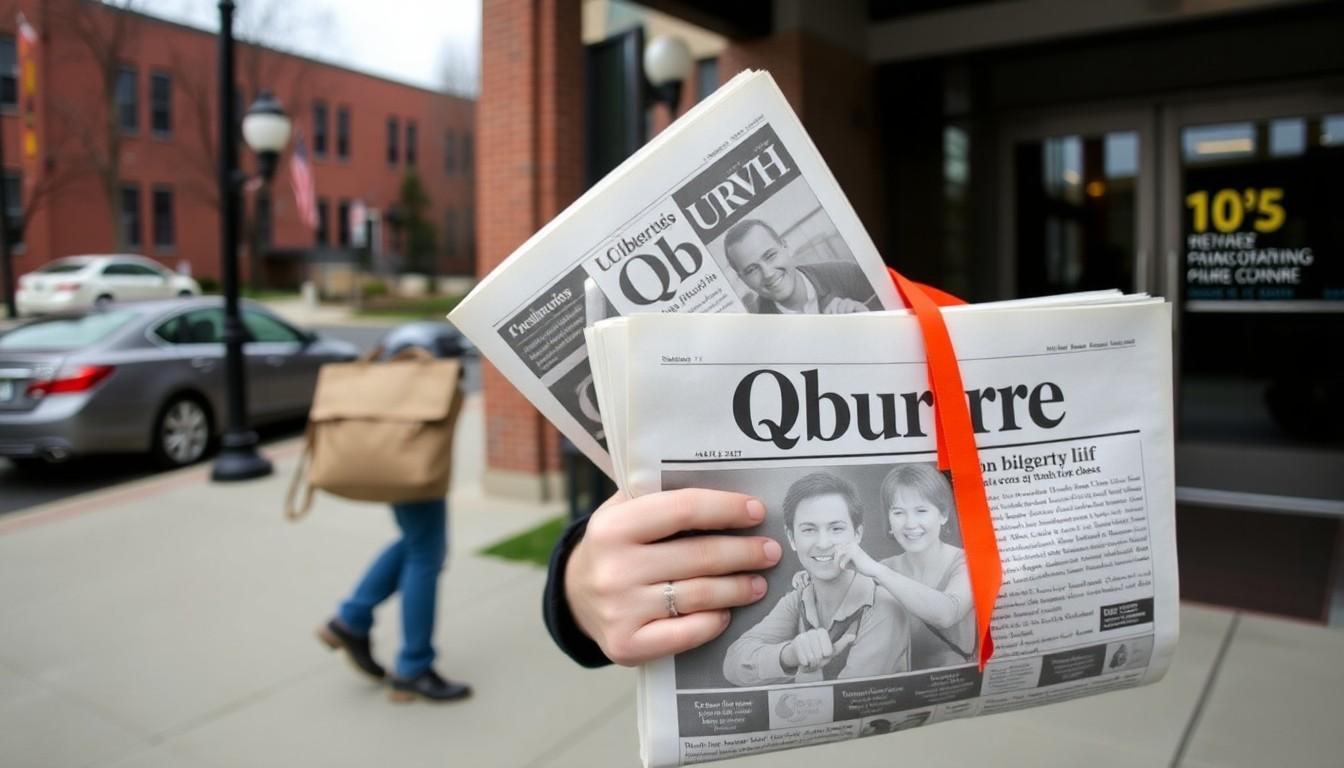
Shoppers and neighbours are spotting a familiar sight again: QBurgh, the region’s leading LGBTQ+ news site, is launching a free monthly print newspaper across Western Pennsylvania next week , a tangible, ad-light way to find queer news, culture and community in cafes, libraries and shops without a screen.
Essential takeaways
- Free and local: The inaugural QBurgh paper will be available free at community hubs, Carnegie Library branches, select grocery stores and affirming businesses across Western Pennsylvania.
- Paper with history: This move echoes a long local tradition of LGBTQ+ print publications that connected and organised communities before social media.
- Subscription option: From August 2026 you can get all 12 yearly issues delivered for $35 a year , 11 monthly papers plus a Pride Guide.
- Distribution for businesses: Local venues can sign up to be distribution points, helping spread queer news to customers and neighbours.
- Digital roots, tangible reach: QBurgh built its audience online and is now translating that coverage into a low-tech, high-touch format readers can hold.
A bold, analogue bet in a digital era
There’s something quietly radical about handing someone a newspaper in 2026, and QBurgh leans into that tactile charm with a warm, slightly irreverent confidence. The paper arrives with the same reporting focus people expect from the site , news, arts, politics, events and opinion , but without notifications, autoplay or pop-ups. For readers who like the slow scroll of print, it feels comforting and deliberate.
The team points to history for the why. Local queer newspapers have long been connective tissue for Pittsburgh’s LGBTQ+ community, recording wins, organising protests, and listing events long before apps made discovery easy. Bringing that legacy into a modern monthly keeps community memory alive and gives space to stories that algorithms might bury.
Where you’ll find it (and how to get it home)
QBurgh plans widespread distribution: community centres, bars, bookstores, the Carnegie Library of Pittsburgh network, and some Giant Eagle and Shop ’n Save stores. That means you could pick up a copy with your coffee or while doing groceries , convenient and a little joyful.
If hunting down a copy sounds like too much faff, there’s a paid subscription from August that will land every issue on your doormat for $35 a year. It’s sensible for people who want regular access or who live on the fringes of the physical distribution area.
What this means for local queer journalism
This isn’t nostalgia for nostalgia’s sake. According to several local histories of queer publishing, print outlets played a crucial role in building movements and archives. QBurgh’s move bridges digital speed with the durability of paper, creating an artefact that can be kept, shared or archived in libraries.
For journalists and community organisers, a printed monthly can reach audiences offline , older readers, folks wary of social platforms, and people who stumble on the paper in a café. It also adds a new revenue and engagement channel via local ads and sponsored community listings.
Practical tips for readers and venues
If you run a café, library, bookstore or bar, becoming a distribution point is straightforward: QBurgh will deliver the papers and you make them available. It’s free, helps foot traffic, and signals your space is affirming.
Readers should check their local Carnegie Library branch or favourite neighbourhood shop first. If you want regular access, weigh the $35 annual subscription against how often you’ll pick up an issue , it’s a decent deal for twelve physical editions, including the Pride Guide.
What to expect next
Launching a newspaper in 2026 is a little theatrical, and that’s part of the point. QBurgh is betting that tangible media still matters for community-building and that printed pages can coexist with robust online coverage. Expect local features, event round-ups, politics, arts coverage and community notices , the kind of local journalism that benefits from being seen in the public square.
It’s a small, deliberate experiment in putting queer news where people live, work and socialise.
It's a small change that can make every story feel a bit more public and a lot more communal.
Source Reference Map
Story idea inspired by: [1]
Sources by paragraph: