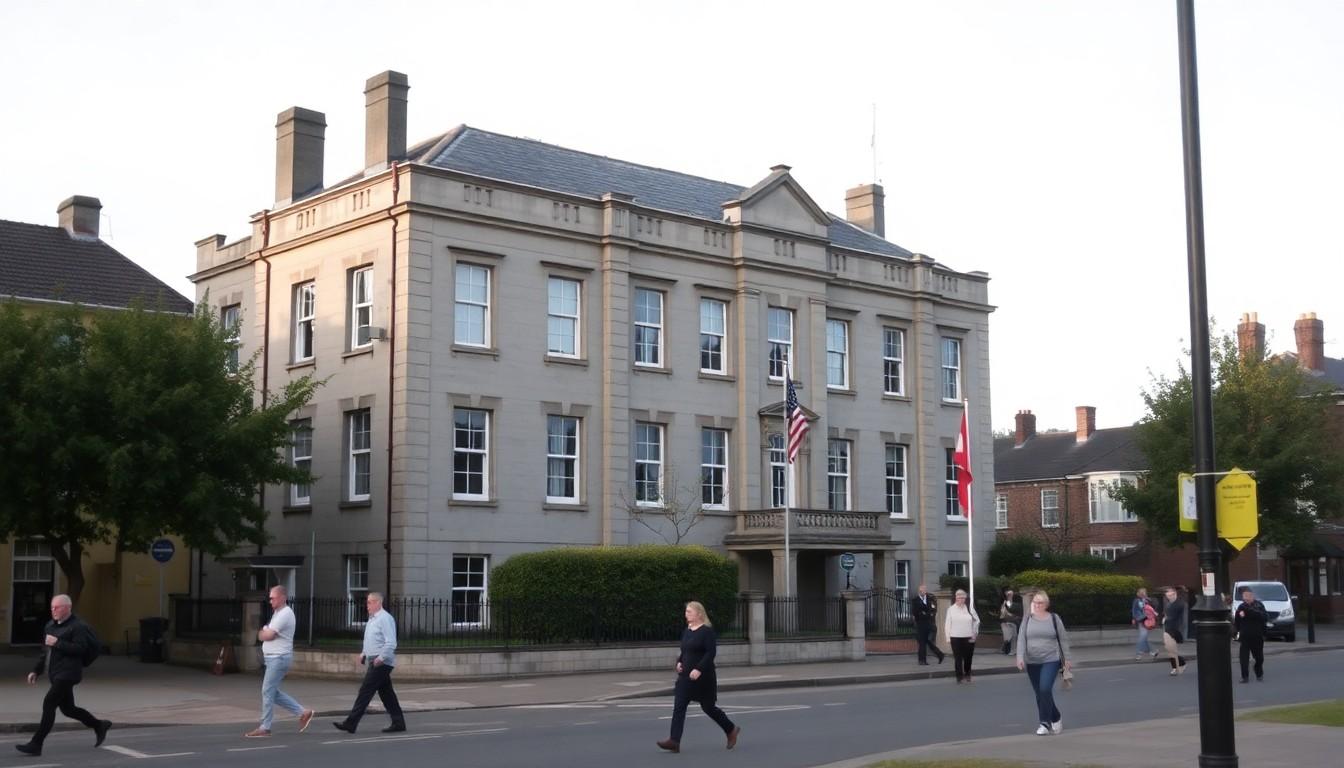
Spotlight the debate: residents and activists clashed outside Havering Town Hall after Pride and Trans flags were affixed to unused poles on 25 June, a direct response to the council’s new policy to fly only the Union and Armed Forces flags , and why it matters for local visibility and civic life.
Essential takeaways
- What happened: Protesters attached Pride and Trans Pride flags to unused flagpoles at Havering Town Hall on 25 June; council staff removed them.
- Council stance: Havering’s Reform UK-led administration says only the Union Flag and Armed Forces flag will be flown once repairs finish.
- Local reaction: Community groups called the decision “devastating,” and some councillors described the policy as needlessly confrontational.
- Practical effect: The council also cancelled its planned Pride ceremony, fuelling calls for alternative community-led events.
- Atmosphere: The protest felt determined rather than violent , flags, chants and conversation replacing more extreme direct action.
Why a few flags have become a big local story
A handful of colourful flags can look small from the pavement, but they carry obvious emotional weight , the bright stripes are shorthand for safety, welcome and presence. Protesters fixing Pride and Trans flags to otherwise unused poles was a deliberately visual act, a way of insisting Havering’s LGBTQ+ people aren’t invisible. According to local reporting, the council’s leader publicly condemned the move as trespassing and had the flags removed the same day.
The optics will linger. When a civic building chooses to limit which emblems it flies, it’s not merely about fabric on a pole; it’s a decision about who the council chooses to name and welcome in public space. For residents who see flags as reassurance, the absence is keenly felt.
What the council says and how it frames the choice
Havering’s leadership has presented a tidy line: after repairs are completed, only the Union Flag and the Armed Forces flag will fly above the town hall. Reform UK argues the Union Flag is meant to represent everyone in the borough, and the policy aims for a consistent, uniform approach to civic flags.
That message hasn’t landed with everyone. Opponents say the move erases specific minority identities and diminishes the symbolic value of Pride for communities that rely on visible signs of inclusion. The cancellation of the council’s official Pride ceremony added fuel to the debate, prompting community groups to explore independent celebrations.
How local groups and residents have reacted
Charities and campaigners responded quickly. A local LGBTQ+ charity called the decision devastating but emphasised that the community’s presence isn’t removed by council policy. Elsewhere, councillors and party figures described the approach as heavy-handed, even divisive.
On the ground, the protest that added flags to the poles was peaceful and unmistakably symbolic , a small, noisy reminder that civic rituals matter to people. Expect more local meetings, petitions and grassroots events as the community seeks alternative ways to mark Pride without council endorsement.
The wider trend: public symbols, polarised politics
This isn’t an isolated spat; councils across the UK have wrestled with requests to fly non-national flags, especially during awareness months. The choices reflect broader cultural battles over representation in public institutions and a push by some local authorities to standardise civic imagery.
If you’re following similar local debates, check your council’s published flag policy and meeting minutes. Community groups can also petition for motions at full council or organise parallel events that reclaim public attention without waiting for official blessing.
What residents can do next , simple steps that work
If you care about this locally, you don’t need to provoke a confrontation to make your voice heard. Attend council meetings, sign or start petitions, and join community Pride planning groups. If a civic ceremony’s cancelled, look for independent events organised by local charities and volunteer-run collectives , they’re often more intimate, more political and sometimes more fun.
If you want to push for change formally, ask councillors to table a motion or request a review of the flag policy. Small civic actions , postcards, respectful letters, a petition backed by local businesses , often move the needle more than shouting on social media.
It's a small change that can make a big difference to how people feel in their own borough.
Source Reference Map
Story idea inspired by: [1]
Sources by paragraph: