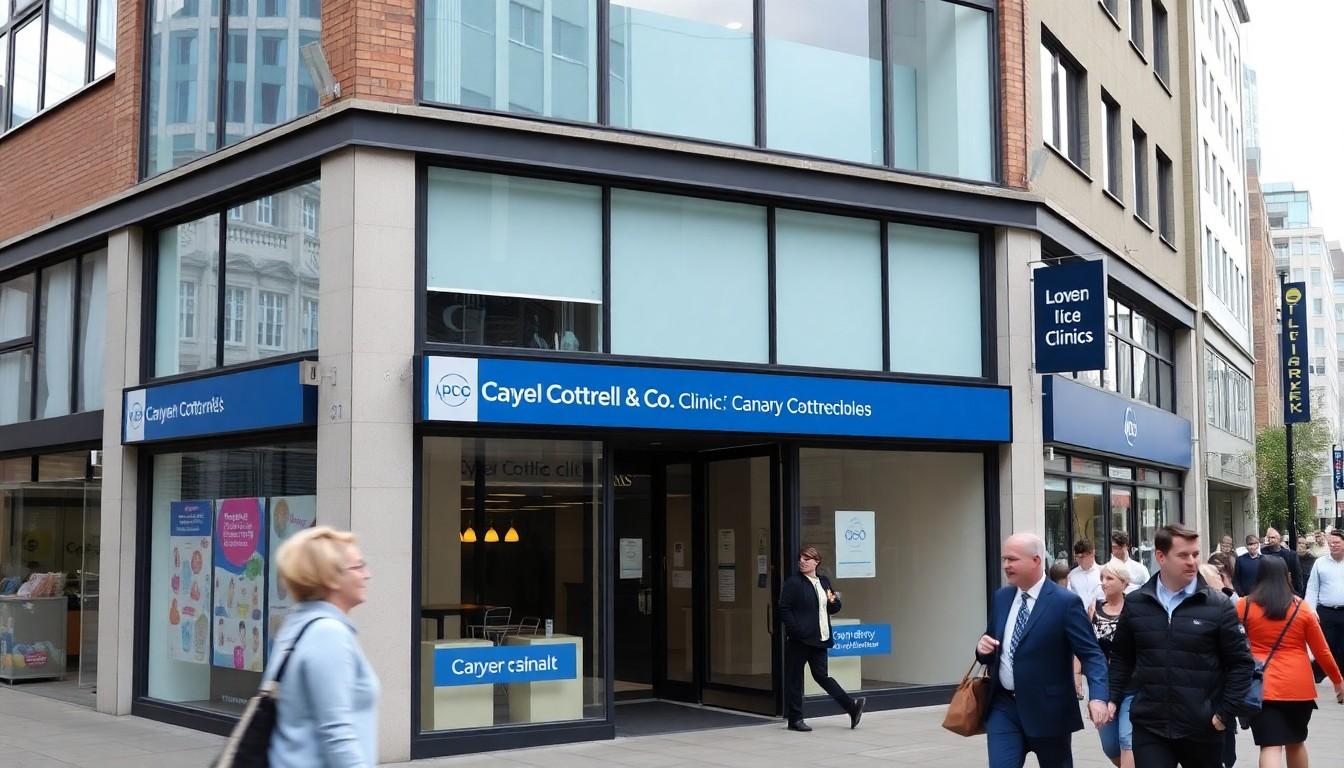
Shoppers and workers in Canary Wharf are increasingly choosing private, inclusive sexual health care that’s discreet, practical and non-judgemental. This piece explains who benefits, what tests and prevention options matter, where to go for tailored support, and why inclusive sexual health services still make a real difference.
Essential Takeaways
- Inclusive focus: Services emphasise confidentiality and listening so patients feel safe discussing sex, identity and risk.
- Tailored testing: Site-specific STI screens (throat, rectal, urine) catch infections a urine-only test can miss.
- Prevention options: PrEP, PEP and routine HIV testing are widely available and work best with timely access.
- Vaccines and screening: Hepatitis and HPV advice, plus targeted vaccination, reduce longer-term risk.
- Holistic care: Sexual health links to mental health, substance use (including chemsex) and wider men’s health concerns.
Why an inclusive clinic matters , and what it actually feels like
An inclusive clinic starts with a quiet room and a clinician who asks the right questions without blinking; that calm, considered approach makes a big difference. Pride’s history , from Stonewall to modern visibility , reminds us that seeking care has often been political and personal, not just medical. Healthcare that avoids assumptions means more accurate testing and better outcomes. According to historians and chroniclers of Pride, the drive for dignity has always included access to non-stigmatising care, and patients today rightly expect clinical clarity as well as respect. Practical tip: choose a clinic that offers a pre-visit checklist so you can say what tests you need up front , it saves time and reduces embarrassment.
Testing that reflects how you actually have sex
One-size-fits-all screening misses things. For men who have sex with men and others with varied exposures, throat and rectal swabs are often essential alongside urine and blood tests. Clinicians who understand sexual practices can recommend site-specific testing for chlamydia, gonorrhoea, rectal HPV and other infections. This matters because a throat swab can catch oral infections that a urine test won’t, and rectal swabs pick up infections that would otherwise go unnoticed. NHS guidance and sexual health services increasingly reflect these nuances. Practical tip: if you’ve had oral or anal sex recently, mention it , explicitly , so you get the right swabs.
PrEP and PEP: prevention that works if you act fast
PrEP is highly effective for people at increased risk of HIV when taken correctly, and PEP is an emergency back-up that must start within 72 hours after exposure. Modern HIV care has transformed outcomes: undetectable viral load means HIV isn’t sexually transmissible, and prevention tools complement that progress. Clinics in Canary Wharf and elsewhere now offer same-day advice or rapid referrals so people can start PEP or discuss PrEP without delay. Waiting can make a crucial difference. Practical tip: if you think you need PEP, get urgent advice now , don’t wait for a routine appointment.
Vaccines, hepatitis and anal health , small steps for long-term gain
Hepatitis B vaccination and hepatitis C screening matter for people with higher-risk exposures; HPV vaccination reduces wart risk and some cancer risks. Anal health discussions can feel awkward but are clinically important for selected higher-risk patients. Offering vaccination, screening and follow-up in the same confidential setting removes friction and helps patients manage longer-term risk rather than just reacting to symptoms. Clinics that bundle advice with practical appointments help patients stay on top of prevention. Practical tip: check your vaccination history during your appointment , if you’re unsure about immunity, a simple blood test can clarify things.
Addressing chemsex, alcohol and the emotional side of sexual health
Sexual risk is often intertwined with substance use, mental health and consent issues. Talking openly about chemsex, recreational drugs or alcohol isn’t about judgement; it’s about accurate risk assessment and harm reduction. Clinics that offer non-judgemental conversations can provide tailored screening, PrEP/PEP advice, hepatitis testing and referrals where needed. This is where trust matters most: patients who feel heard are likelier to follow prevention plans and seek help early. Expect practical harm-reduction advice and clear next steps rather than moralising. Practical tip: bring notes about substance use if you can; it helps your clinician give realistic, usable advice.
When to book an appointment , clear signals to act
You should book a sexual health appointment if you’ve had unprotected sex, a condom failure, a new partner, multiple partners, symptoms such as discharge or sores, or if you’re worried about HIV exposure, PrEP or PEP. Private clinics can also be useful if you want a discreet, tailored consultation outside standard routes. Making the call sooner rather than later pays off, especially for PEP or if symptoms are new. Good clinics will explain options clearly and outline the next steps so you leave with a plan. Practical tip: if privacy is a priority, ask about appointment timing and who will be in the room ahead of time.
It's a small change that can make every visit feel safer, clearer and more useful.
Source Reference Map
Story idea inspired by: [1]
Sources by paragraph: