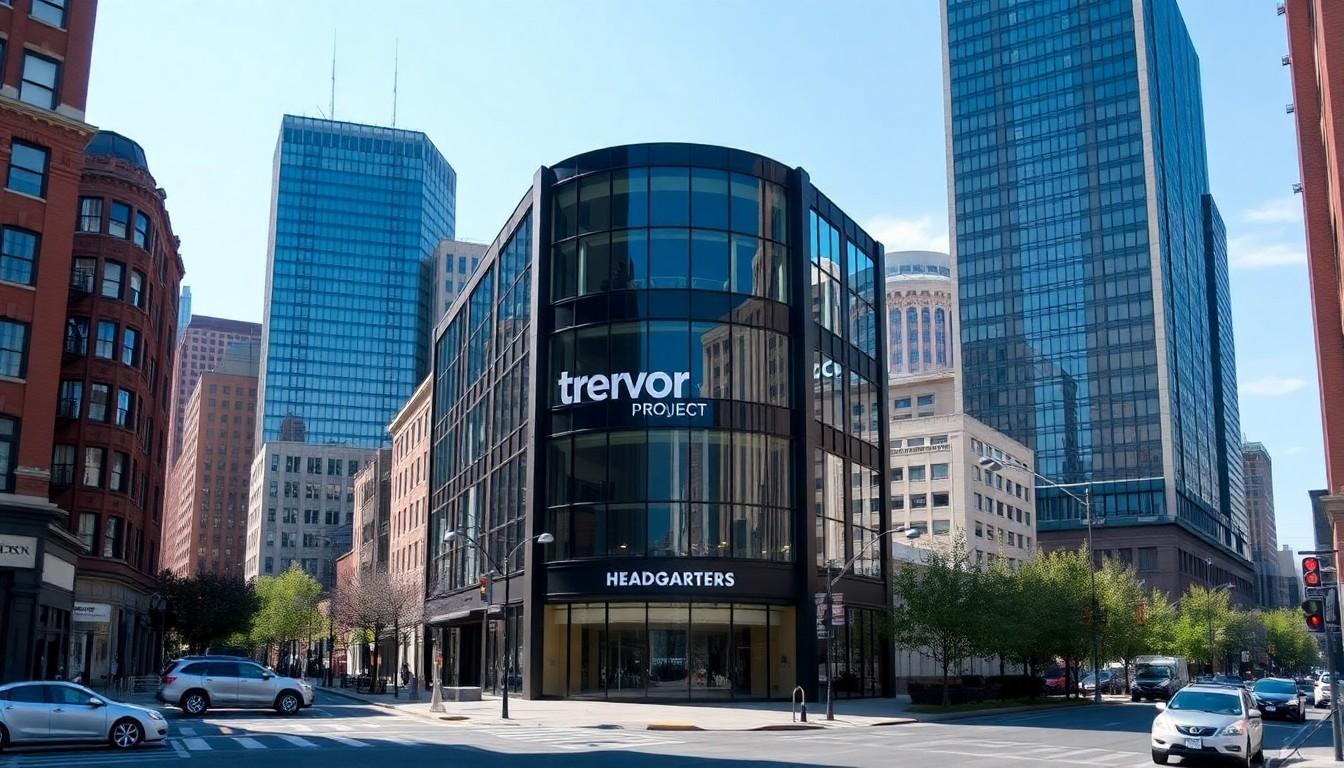
Shoppers are turning to renewed federal support for LGBTQ+ youth in crisis: the administration is moving to restore a specialised 988 “press 3” option, but questions are swirling about who will be allowed to run it and whether the Trevor Project will be squeezed out. This matters because trained, trusted responders can mean the difference between life and death.
Essential Takeaways
- Restoration planned: The administration will relaunch a specialised LGBTQ+ 988 crisis option by year’s end after Congress mandated funding for interventions. It’s intended to return targeted support for young people.
- Trevor Project sidelined: The Trevor Project, which handled roughly half of past “press 3” contacts, is currently ineligible to rejoin because only active 988 network members may apply. That could exclude the organisation that pioneered the service.
- High demand, high need: LGBTQ+ youth report markedly higher suicide risk and mental-health gaps; surveys show many have seriously considered suicide and face barriers to care. The service’s emotional impact is tangible , callers often need immediate, culturally competent support.
- Politics complicates care: New federal guidance tied to Executive Order 14168 and prior budget moves have politicised funding decisions, raising concerns about service scope and whether trans and nonbinary youth will be fully served.
- Practical options remain: 988 (call or text), Trans Lifeline, and Trevor Project numbers and chat remain available now; families and allies should know multiple routes to get help fast.
Why this relaunch matters , and why timing feels urgent
A dedicated “press 3” option on 988 was created because LGBTQ+ young people reach out in numbers and need counsellors who understand their lives and language, and the return of that option is a clear win for access. The demand was never hypothetical; at its peak the line took thousands of contacts a day, and many callers told researchers the specialised service felt safer and more affirming. For a young person in the dark of night, that nuance , a calm voice who knows the issues , can be lifesaving.
But the way the relaunch is being structured makes the victory feel partial. Officials have pointed to congressional funding and an administrative commitment to restore the service, yet application rules and recent budget moves have already removed the original partner from the table, leaving advocates asking whether the rebuilt lifeline will match the original in training and experience.
How the Trevor Project built the original “press 3” , and why its exclusion matters
The Trevor Project partnered with the federal system to create the LGBTQ+ routing for 988, building a specialised workforce and protocols tailored to queer and trans youth. During its years on the line it handled roughly half of all “press 3” contacts, developing an institutional know-how that other centres often lack.
Excluding that institutional memory risks diluting the quality of the service just as need spikes. Clinicians and advocates have warned that replacing an organisation dedicated exclusively to LGBTQ+ youth with generalist providers could leave gaps in cultural competence, clinical approaches, and trust. For families and allies, that trust is often what encourages a young person to stay on the line.
The politics behind the decision , why policy language matters for who answers the phones
Budget documents and statements from the Office of Management and Budget framed cuts to LGBTQ+ services in ideological terms, and an executive order on gender policy has been cited in federal discussions about how specialised services should operate. Those moves have fed fears that eligibility and contract language might be used to narrow which organisations can participate.
That isn’t just bureaucratic noise. When policy defines acceptable approaches to gender and identity, it shapes training, hiring and the clinical practices crisis centres can offer. If the relaunch is constrained by those definitions, trans and nonbinary callers could face limited options or less affirming care , exactly the groups who, surveys show, have some of the highest rates of suicidal thinking.
What the data says , demand, risk and the gaps in care
Research consistently shows LGBTQ+ youth are at elevated risk: a large national survey found a substantial share of queer and trans young people seriously considered suicide in the past year, with trans and nonbinary respondents reporting particularly high rates. Many also report difficulty accessing mental-health services, and a vast majority say political attacks on LGBTQ+ people worsen their anxiety and stress.
Those numbers aren’t abstract. They translate into late-night texts, impulsive searches for help, and crises that need quick, culturally competent response. Restoring a “press 3” option isn’t a luxury , it’s a targeted intervention informed by data that shows who uses these lines and why.
Choosing a safe option now , practical steps for families and allies
If you’re caring for a young person, keep a short list of resources handy: 988 for immediate crisis help, the Trevor Project’s chat and text lines, and the Trans Lifeline for peer-led support that won’t involve law enforcement. Teach young people how to use these services and role-play a conversation so they feel less alone when they call.
Advocates can also press local representatives to support funding that preserves specialised training and to ask for transparent criteria in any application process. Simple steps , sharing numbers, checking in regularly, and knowing which services are affirming , make a real difference in crisis moments.
It's a small change in policy that could have a very big human impact; keep asking who’s at the other end of the line.
Source Reference Map
Story idea inspired by: [1]
Sources by paragraph: