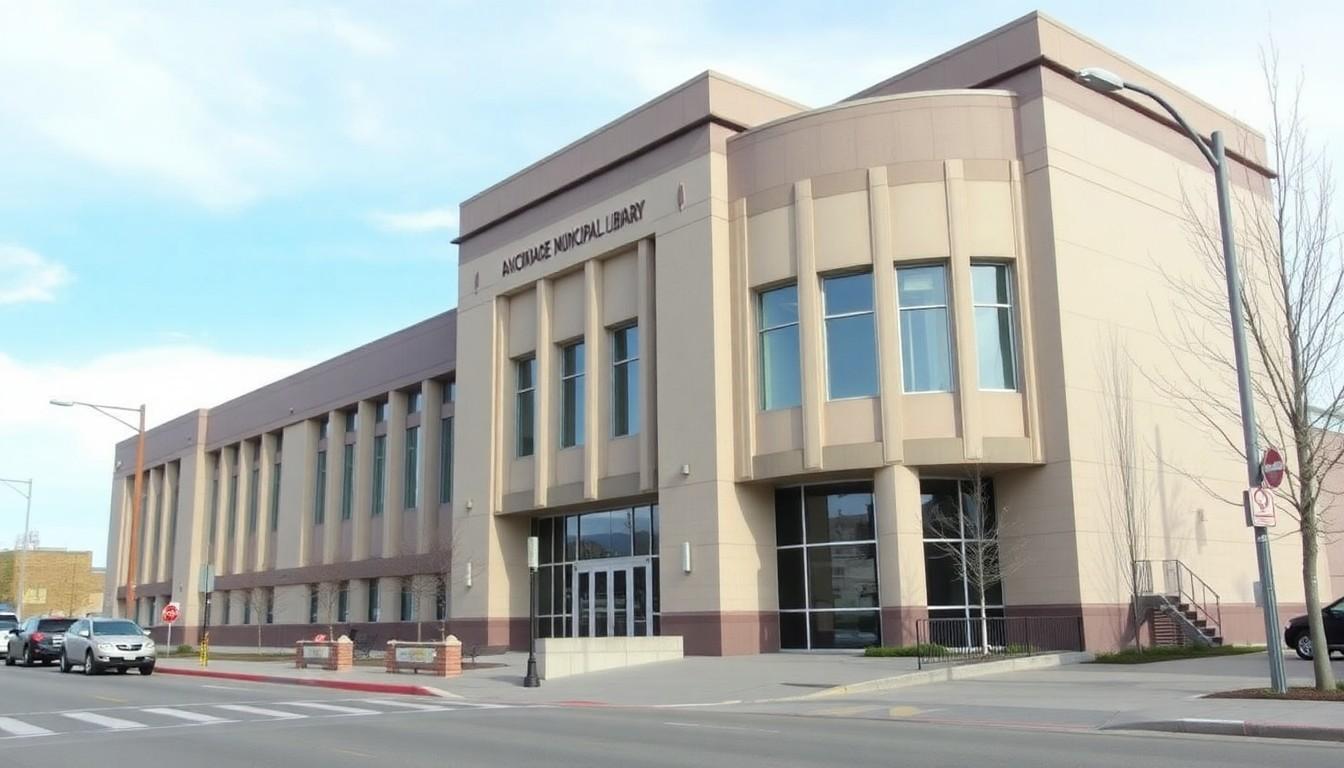
Shoppers, parents and taxpayers noticed Anchorage City Hall playing a front-row role at this year’s Pride parade, with parked floats, city vans and officials on the route , and it matters because public resources were visibly used to celebrate LGBTQ identity and community life. Here’s what happened, who participated, and practical context for residents weighing civic funding and community support.
Essential Takeaways
- City involvement: Anchorage departments and officials visibly participated in the parade, including a library van, a health-clinic float, and City Hall flying a Pride flag.
- Mayor’s role: Mayor Suzanne LaFrance marched and wore Pride apparel, signalling municipal endorsement and energising the event’s public profile.
- Sponsors and partners: A broad mix of corporate, nonprofit and faith groups were listed as supporters, from Alaska Airlines and Providence to local law firms and advocacy organisations.
- Community mix: The parade included healthcare providers, businesses, civic groups, churches and elected politicians, creating a diverse public-facing coalition.
- Practical note: Public notices and partner pages show the event was organised with municipal permissions and third-party nonprofit involvement.
What actually happened , and what you saw on the street
Anchorage’s Pride parade was hard to miss: branded floats, a library vehicle advertising mobile services, a health clinic presence and a Pride flag at City Hall. The visual felt upbeat and colourful, with music and marching groups filling downtown. For many residents the scene looked like a city-sanctioned festival; for others it raised questions about the lines between municipal activity and sponsored civic expression.
Public participation like this isn’t unprecedented , cities often permit and support festivals , but the scale and visibility made it feel like an official endorsement to some. If you were there, you probably noticed a mix of corporate banners, nonprofit stalls and clergy walking alongside elected officials.
Who backed the event , the sponsorship landscape
The list of partners blended corporate names, local nonprofits and faith communities. Major employers and transport brands appeared alongside health and advocacy groups. That mix matters because it shows how Pride events now attract mainstream sponsorship, not just grassroots groups.
Seeing Providence or Alaska Airlines in the programme signals mainstream institutional support, while groups such as Alaskan AIDS Assistance Association (a primary nonprofit sponsor) underline the parade’s public-health and community-support thread. For taxpayers, the takeaway is that municipal resources complemented a broad funding base rather than the parade relying solely on city coffers.
Why city participation sparks debate
When municipal vehicles, staff or elected officials take part in a parade that celebrates a specific identity, some residents read that as civic inclusion; others see it as partisanship. The debate is familiar: is the council promoting equality and community outreach, or is it using public tools to advance particular social values?
Practical context: public notices and permit pages show the parade was authorised and organised in coordination with city processes. That’s standard for public events, but the optics of city-branded participation are what fuel public conversation , especially in a place with strong views across the political spectrum.
How to think about sponsorship and civic responsibility
If you’re trying to make sense of it, ask three quick questions: who paid for what, which city services were used, and did taxpayers pick up direct costs? Organisers usually combine municipal support (permits, street closures, occasional staff presence) with private funding and nonprofit coordination. For residents worried about budgets, city public notices and sponsor lists are the first place to check for clarity.
For businesses and nonprofits, the parade offered visibility and a chance to signal values to customers. For churches and faith-based groups that marched, participation suggested a local culture where different traditions can show up together, even when opinions differ.
How residents can stay informed and get involved
Want more transparency? Look out for municipal permit details, public notice pages and the official parade website to see who applied for what and who covered event costs. If you care about future civic involvement, contact your local councillor or attend community budget meetings , participation matters and it’s an effective way to influence how public resources are used.
If you support inclusive public events, volunteering or donating to local organisers is a direct way to help. If you’re concerned, raising questions at council sessions or asking for line-item clarity in public spending is the practical route.
It's a small change that makes visible differences in how Anchorage presents itself, and it’s worth paying attention to both the celebration and the civic choices behind it.
Source Reference Map
Story idea inspired by: [1]
Sources by paragraph: