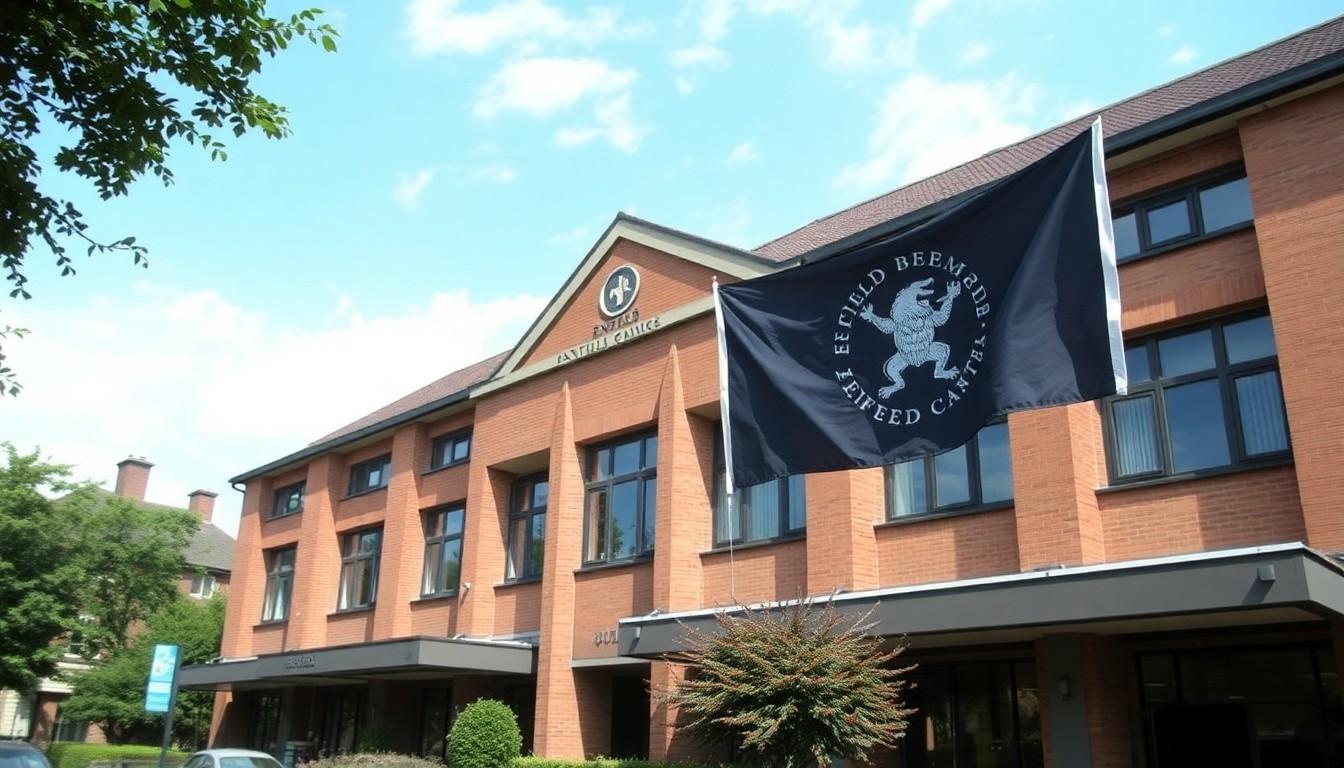
Shoppers, residents and campaigners have been reacting after Enfield Council chose not to fly the Pride flag outside the civic centre in June , a move the new Conservative leadership says is about consistency, while critics call it a symbolic snub to the borough’s LGBTQ+ community.
Essential takeaways
- Policy change: Enfield’s new Conservative administration is flying only three “permanent” flags outside the civic centre , the Union Flag, St George’s Flag and the Enfield Beast , to ensure a consistent civic display.
- Special occasions still marked: The council says occasion flags, such as the Armed Forces Day flag, will be flown for specific events, and it will host a Pride festival in July.
- Local reaction: Labour councillors and LGBTQ+ campaigners described the decision as a “slap in the face”, saying the borough previously flew a Pride flag every June.
- Broader context: The choice mirrors a wider debate in local authorities about when and where civic buildings should display symbolic flags.
- Practical note: The council stresses its commitment to services and policies supporting diversity, while opponents argue visible gestures matter for community recognition.
What the council says: clarity and consistency is the goal
Enfield’s leader, Alessandro Georgiou, says the move is about having a clear, consistent approach to which flags are flown permanently outside civic buildings. He argues the three chosen flags , representing borough, England and the United Kingdom , stand for “every resident of Enfield, regardless of their background”. The words are measured, but the image of an empty flagpole in Pride Month felt sharp to many residents.
This isn’t a sudden invention. The Conservatives put the policy in their manifesto before the local elections, promising to restore “traditional civic pride”. In practice that means reserving permanent flag space for those civic emblems and marking other dates with temporary flags.
If you’re wondering what that means day-to-day, think of it like a shop window: the council wants the same “look” most days, but will change the display for special events. That said, visibility is exactly what critics say has been lost.
Why opponents see it as symbolic and personal
Labour councillors and members of the LGBTQ+ community reacted strongly, calling the decision a slap in the face and arguing flying the Pride flag during June is a simple, visible sign of solidarity. Under the previous Labour administration the civic centre regularly raised the Pride flag in June, so the change reads as a break with recent practice.
Symbolic gestures matter because they’re public and instant to read. For many people a flag says “we see you” at a glance. The council points to other ways it supports LGBTQ+ residents, but opponents counter that policies and services don’t always substitute for public recognition.
Expect this to be a talking point across Enfield for some time, especially as local campaigners look to keep pressure on civic leaders to return to the earlier practice.
The council still plans Pride events , so is this a compromise?
Enfield Council has said it will host Chroma: A Festival of Pride at Dugdale Arts Centre in July, which the authority says will spotlight local LGBTQI+ artists and voices. The event shows the council is not removing support for the community, but it does shift the visible civic recognition from the civic centre in June to a festival spotlight later.
That matters in two ways: festivals create a celebratory space with programming and artists, while a flag outside a civic building is a day-to-day symbol aimed at everyone walking past. Both matter, but they do different jobs , one is noisy and internal, the other public and passive.
If you’re planning to attend local Pride activities, check dates and programming; if symbolic visibility is your priority, the flag debate will likely influence where campaigners focus effort next.
This fits a wider national story about flags and public spaces
Enfield’s decision comes amid a broader national debate about what flags should be flown on public buildings and when. Other councils have faced similar disputes, with critics saying symbolic gestures are vital for minority communities and supporters insisting on neutral, consistent civic displays.
According to coverage of comparable cases, the tension usually breaks down into two arguments: visible, symbolic recognition versus a consistent, impartial civic look. Both positions tap into genuine values , inclusivity and equality on one side, and uniformity and tradition on the other.
For residents watching these debates, the practical takeaway is that council policies can change with elections, so local advocacy and participation remain important if you want to shape what your town hall looks like.
How local people can respond or get involved
If this decision matters to you, there are constructive options. Attend the planned Pride festival to show support for local LGBTQ+ artists. Contact your councillors to express how you feel and ask for clarity on what “permanent” and “occasion” flags will be used and when. Community groups can also propose alternative public displays or work with the council on visible symbols around the town.
Small, public gestures like flags are easy to overlook until they’re gone, but they’re also easy to reclaim through civic pressure, events and conversations. Politics changed the flagpoles; people can still change the conversation.
It's a small change with a big echo , keep watching what your council does next.
Source Reference Map
Story idea inspired by: [1]
Sources by paragraph: