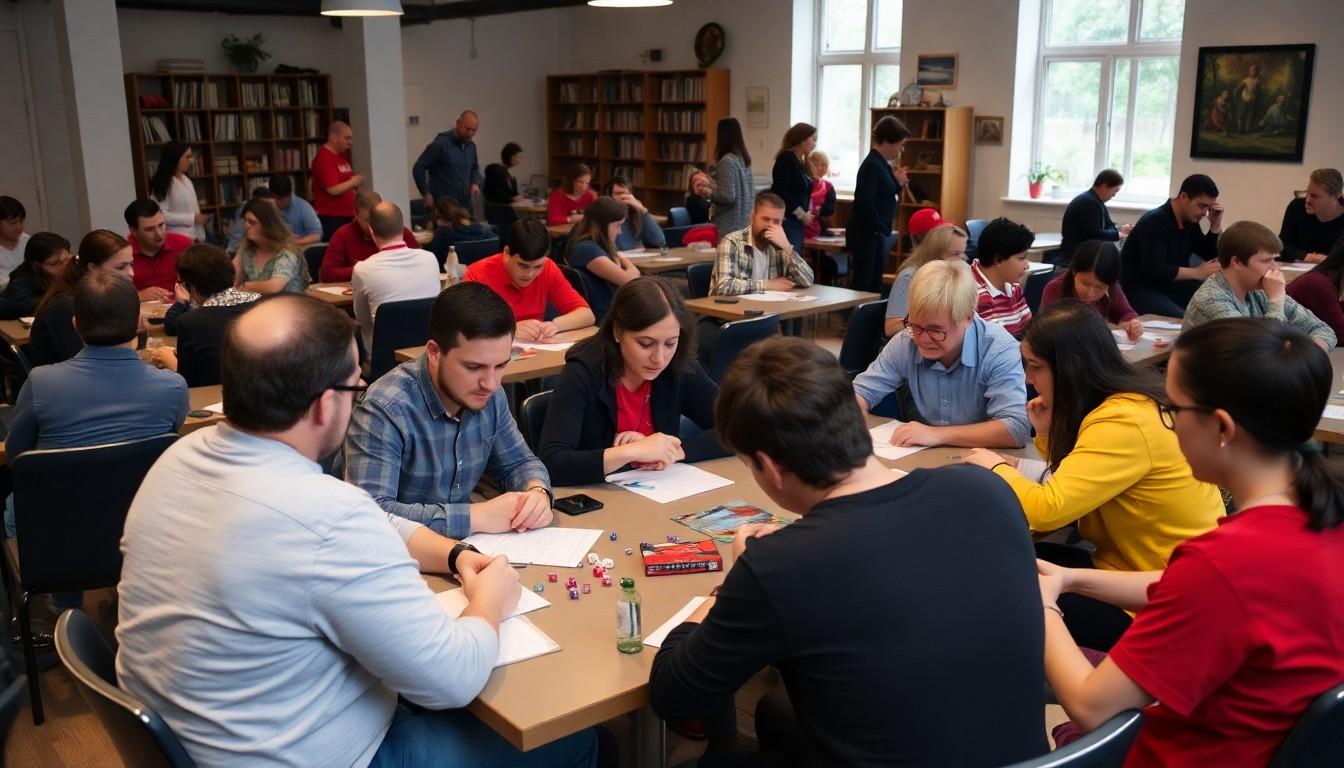
Shoppers and players are turning to tabletop communities to find belonging , Dungeons Not Dating, founded by Rachel Dove, pairs values-driven matchups with storytelling so queer gamers can meet, experiment with identity, and build lasting friendships in welcoming spaces.
Essential Takeaways
- Founder-led: Rachel Dove built Dungeons Not Dating to help players find tabletop groups that share values and expectations, not just schedules.
- Queer roots: The platform connects to queer history where coded culture , like “friend of Dorothy” , created routes to belonging.
- Creative safety: Role-play offers low-stakes identity exploration; characters let players experiment without real-world pressure.
- Design matters: The app emphasises profiles based on playstyle and community norms, creating trust beyond simple anonymity.
- Community care: In tense political moments, curated gaming tables can feel like reliable places of acceptance and support.
Why a dating-style app for D&D makes sense now
Dungeons Not Dating sounds like a neat twist, but it answers a simple need: finding compatible people for cooperative storytelling is hard. According to coverage of the app, Dove designed it after realising matchmaking for tabletop groups needed more than location and time , it needed values and play expectations. That leads to a gentler, more considered way of joining a table, where the first impression is about tone and respect rather than just availability.
Platforms have shifted how we meet, and this is especially useful for queer players who’ve long used coded signals to find safe company. Users report the app feels like a curated room that welcomes difference, rather than a chaotic open lobby, which matters when you want to relax into play instead of managing micro‑aggressions.
Play as a low-risk space for trying on identity
One of the clearest benefits Dove highlights is how role‑playing lets people explore names, genders, and personalities through characters. Compared with real-life contexts where outing or missteps can be risky, a tabletop session offers a softer sandbox. Players can test language, pronouns, or new social roles with creative distance, and that experimentation often leads to deeper self-understanding and friendships.
That’s not to say it’s magic , good tables need explicit consent, clear expectations, and follow-through from organisers. Dove’s approach encourages those norms, so players know what sort of game they’re joining and how to bring their whole selves safely.
From “friend of Dorothy” to digital hideouts , a cultural thread
The phrase “friend of Dorothy” and other coded expressions historically helped queer people find one another when visibility invited danger. Smithsonian and cultural historians trace how such signals created community landmarks in everyday life. Today, digital platforms play a similar role: usernames and profiles can offer privacy, but Dove and others argue that trust and shared values are what turn a group from anonymous to welcoming.
This continuity is striking , fantasy and coded culture both give people frameworks for recognition and belonging. When you sit down to a D&D table and all the players nod to the same etiquette, you’re often standing in a modern iteration of those old safe spaces.
Design choices that actually build trust
Dungeons Not Dating doesn’t just list players; it surfaces playstyles, accessibility needs, and community norms so people can match on more than fantasy preferences. Reporting on the app shows Dove prioritises features that indicate thoughtful play: session expectations, trigger warnings, and moderator roles. Those small bits of information reduce friction and create emotional safety before the first dice roll.
For organisers and players thinking of joining, look for profiles that mention boundaries, inclusivity practices, and how conflicts are handled. That’s a better signal than a glossy photo or a long list of game editions.
Why these spaces matter more during social strain
Dove notes that when broader social debates make acceptance feel precarious, intentionally-built communities become emotionally important. Players who’ve lived through earlier waves of discrimination may feel old anxieties resurface during heated moments, so having a reliable table, a named DM who enforces kindness, or a group that shares values can be stabilising.
If you’re organising, a small bit of care goes far: set clear expectations, create channels for feedback, and be explicit about how you support marginalised players. Those practices make play more fun and safer.
It's a small change that can make every session feel more like home.
Source Reference Map
Story idea inspired by: [1]
Sources by paragraph: