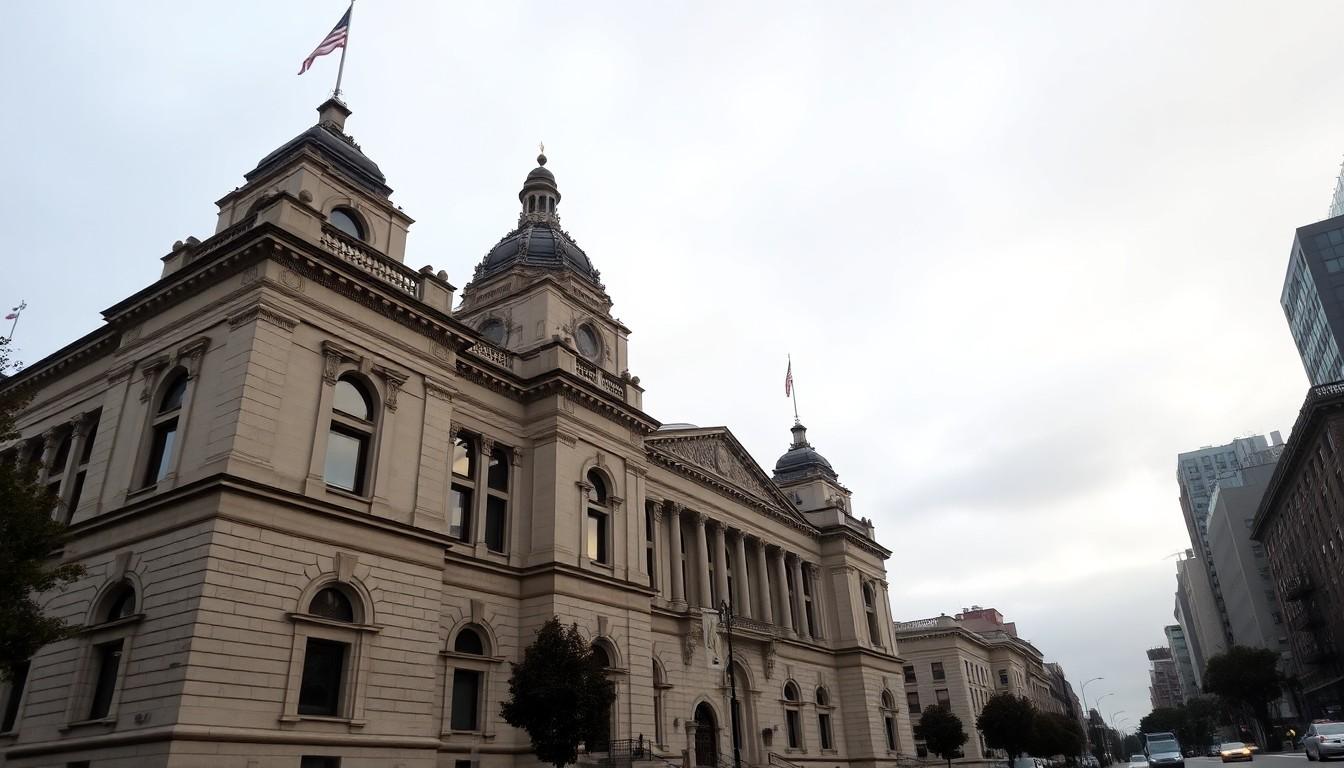
Celebrate the retirement of Dennis Herrera, the longtime San Francisco city attorney and current SFPUC general manager whose three-decade public service included landmark legal fights for LGBTQ+ marriage equality, bold municipalisation moves, and early protections for transgender residents, why his departure matters to the city and the movement.
Essential Takeaways
- Long tenure: Herrera served roughly 25 years in San Francisco city government, rising from police commissioner to city attorney and later SFPUC general manager.
- Historic litigation: His 2004 lawsuit was the first time a city sued a state to strike down laws barring same-sex marriage, setting a legal and moral precedent.
- Pivotal victories: Herrera’s office helped secure the 2008 California Supreme Court win and played a central role in the federal litigation that ultimately erased Proposition 8.
- Early trans protections: As a police commissioner in the 1990s, Herrera helped push SFPD policies treating transgender and gender-nonconforming people with dignity.
- Talent builder: He promoted LGBTQ+ leaders into senior roles, shaping the next generation of city officials and judges.
A retirement that feels like the end of an era
Herrera’s announcement that he’ll step down from the San Francisco Public Utilities Commission at the end of the year landed like a landmark closing line. The role has been the capstone of a public career that moved from municipal policing policy to courtroom battles with national consequence, and finally into efforts to wrest local control of a shifting power grid. There’s a quiet, practical side to his work, stewarding public utilities and budgets, that balances the headline-grabbing litigation.
From police reform to policy that mattered
Long before marriage equality became a national cause, Herrera was already shaping how San Francisco treated marginalised people. As a police commissioner in the 1990s, he helped author some of the first SFPD guidelines recognising transgender and gender-nonconforming residents. Those were small but tangible changes: clearer treatment protocols, fewer humiliations at stations, and a message that the city’s institutions could be an ally, not an adversary. These earlier moves explain why his later courtroom campaigns felt consistent rather than episodic.
The audacity of suing the state
When Gavin Newsom directed county clerks to issue same-sex marriage licences in 2004, the fallout was immediate and messy. Herrera could have limited his role to defending the city’s action, but he chose to go further, filing an affirmative suit against California’s discriminatory marriage statutes. That decision was unprecedented: San Francisco became the first government to sue another government over marriage laws discriminating against same-sex couples. It was a legal gamble with moral clarity, and it shifted the debate from private grievance to public duty.
How Prop 8 was put on trial, and eventually toppled
Victory in In re Marriage Cases at the California Supreme Court in 2008 was exhilarating but fragile; Proposition 8 stripped the win away almost immediately. Herrera’s team, alongside national litigators and organisations, then helped take Prop 8 to federal court where Judge Vaughn Walker found it unconstitutional. The appeals process dragged on, and it was ultimately a jurisdictional ruling that sealed Prop 8’s fate, but Herrera’s consistent refusal to back down put discrimination squarely on trial. The chain of rulings helped lay the groundwork for the U.S. Supreme Court’s 2015 decision in Obergefell v. Hodges.
Building people into institutions
Herrera’s legacy isn’t only cases and headlines. He elevated a raft of talented people, many from the LGBTQ+ community, into substantive roles where they could shape policy and governance. Former deputies and staff went on to judgeships, elected office, and senior municipal posts, which speaks to a particular kind of allyship: one that recruits and trusts rather than merely endorses. That practical mentorship changed San Francisco’s civic DNA as much as any court ruling did.
What Herrera’s retirement means now
San Francisco will have to replace not just an experienced manager, but a civic actor who blended legal strategy with institutional reform. For advocates and city officials, the question is less about nostalgia and more about continuity: will successors maintain the same appetite for robust legal challenges, early protections for vulnerable groups, and local control projects like municipalising energy? The short answer is that the institutions he strengthened are stronger for his stewardship, but leadership matters, and the city will watch the transition closely.
It’s a small civic moment with outsized meaning: one retirement, a long public record, and plenty of people whose lives were changed for the better.
Source Reference Map
Story idea inspired by: [1]
Sources by paragraph: