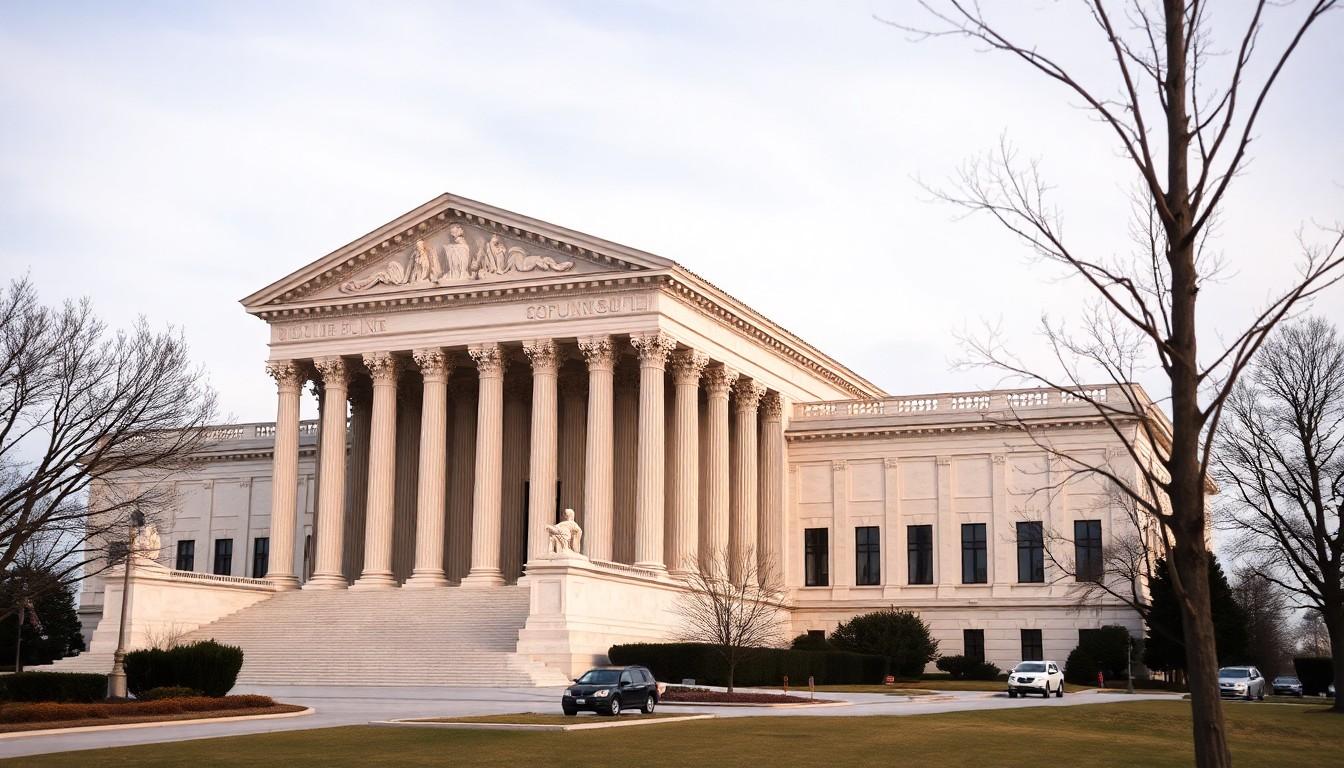
Shoppers are watching rights roll back: the Supreme Court’s decision letting states bar trans and some intersex youth from girls’ sports has immediate, painful consequences for young people, schools and families , and raises urgent questions about legal protections and public health across the US.
Essential Takeaways
- Ruling outcome: The Supreme Court allowed states to enforce bans on transgender athletes in girls’ school sports, prompting swift policy shifts at state level.
- Scope and impact: Some intersex youth are also affected where bans rely on biological markers; schools and athletic associations face confusion.
- Legal context: Civil-rights advocates call the decision a retreat from protections, likening the moment to past eras of sanctioned discrimination.
- Practical fallout: Families report disrupted seasons, lost scholarships, and emotional strain; schools must weigh safety, fairness, and legal risk.
- Atmosphere: The ruling deepens polarisation, fuels activism, and puts a spotlight on how media, parties and institutions will respond.
What happened and why it matters right now
The Court’s move means state legislatures that have passed bans can keep enforcing them while lower-court fights continue, and schools are already scrambling. Reporters at the Los Angeles Times and AP described immediate policy changes in multiple states, and local papers noted teams suddenly having to adjust rosters and eligibility checks. For students, the ruling isn’t theoretical: it’s a change that can be felt in the locker room, on the field, and in college recruiting conversations.
Legal advocates warned this would happen. According to civil-rights groups, the decision sidesteps broader constitutional questions about equal protection and heightens the sense that legal safeguards for trans and intersex people are tenuous. Expect more litigation and urgent advocacy campaigns as families and civil-rights groups push back.
How schools, athletic bodies and families are reacting
Across the country, school districts and governing bodies are issuing guidance or pausing competitions to work out compliance. Kansas City and Missouri outlets reported practical headaches , from how to run tryouts to whether to reclassify divisions , while coaches and athletic directors balance fairness with the wellbeing of students.
Families are seeing immediate effects: some athletes have missed seasons, others have had scholarships jeopardised, and many describe the emotional toll as profound. Administrators are advising sensitivity and legal counsel, but the patchwork of state rules means inconsistent experiences from district to district.
The broader legal and historical context
Civil-rights groups have framed the ruling as part of a wider rollback in recognition and protection for trans and intersex people. Commentary likened the moment to earlier chapters of US legal history where certain groups were excluded from equal access, suggesting it may be judged harshly by future generations. Journalists at Axios and NPR-like outlets have tracked how this decision fits into a cascade of state-level bills and regulatory actions.
This ruling won’t settle the argument on constitutional grounds , it changes the battlefield. Expect a mix of state legislation, federal rulemaking attempts, and fresh court challenges as advocates seek to restore protections through different legal routes.
What this means for athletes and the sports ecosystem
For young athletes, the consequences reach beyond a single season. High-school sports feed into college recruitment, scholarships and lifelong confidence; removing opportunities can be career-altering. Athletic organisations will face pressure to create clear, evidence-based policies that also respect privacy and safety.
Practical advice for families: keep records of participation and communications, consult a lawyer familiar with education and civil-rights law if you face exclusion, and connect with local advocacy groups for support. Coaches should document decision-making and seek legal guidance before enforcing exclusions.
Media, politics and the road ahead
Coverage and political responses have varied. Some mainstream outlets are being criticised for giving equal weight to claims that advocates say spread misinformation. On the political front, Democratic leaders are under pressure from activists to take a firmer stand, while Republican officials are largely backing state authority on the issue.
Expect this ruling to be a focal point in upcoming campaigns and policy debates. Advocacy groups are mobilising, donors are lining up, and communities are organising school-board and statehouse responses. How institutions respond in the weeks and months ahead will shape both the legal landscape and the lived experience of affected young people.
It's a small change with outsized consequences , watch how school doors, locker rooms and courtrooms respond next.
Source Reference Map
Story idea inspired by: [1]
Sources by paragraph: