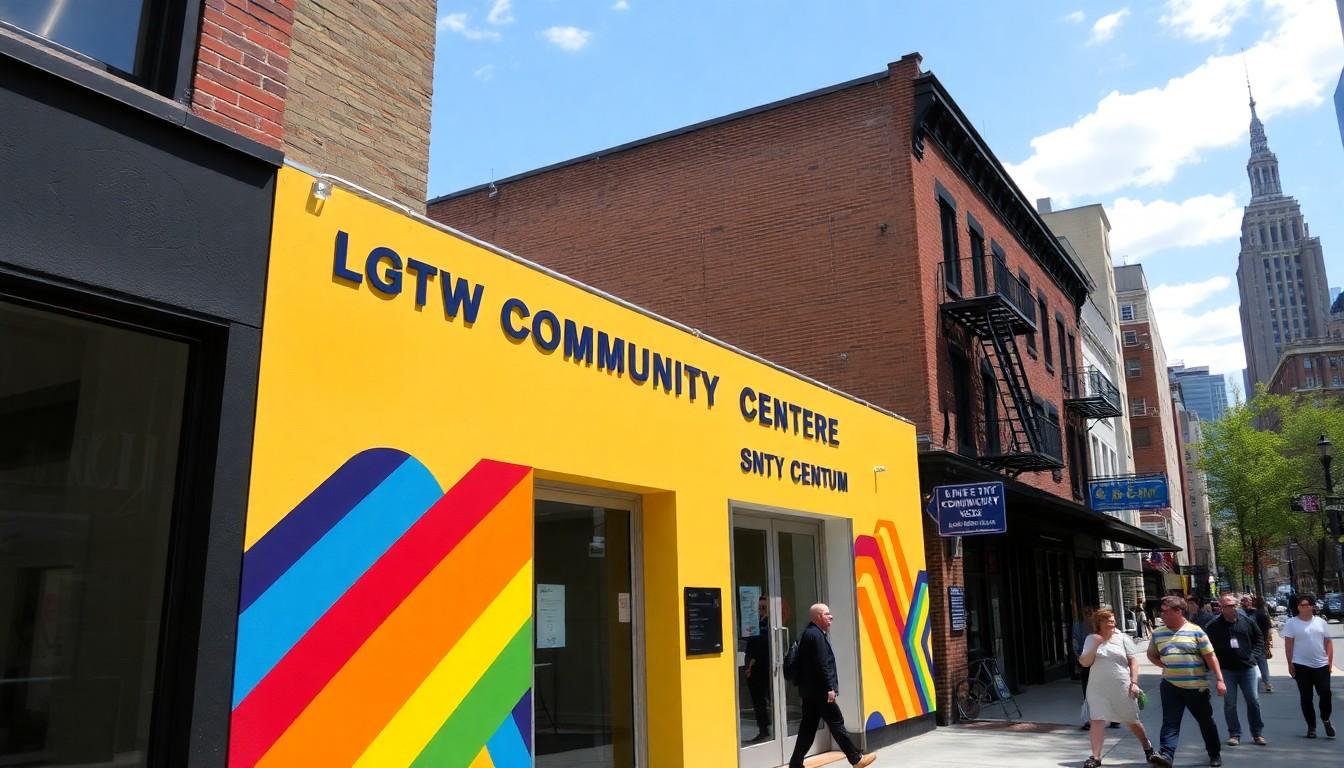
Thousands converged on Manhattan for the 56th New York City Pride March, a vivid, crowded celebration that mattered because it came amid heightened tensions tied to international events , and because Jewish LGBTQ groups marched visibly, amid cheers and protests, under the rallying theme “For All of Us.”
Essential takeaways
- Huge turnout: An estimated 75,000 participants and about 2 million spectators filled Manhattan for the 56th Pride March, creating a lively, colourful atmosphere.
- Jewish groups visible: Multiple Jewish LGBTQ organisations, including Jew York Pride and Zioness, took part and received both applause and targeted anti-Israel chants in places.
- Heightened security: Police and private security were visible along the route as organisers prepared for protests linked to the Middle East conflict.
- Global context: The march followed large Pride gatherings in Israel, including a high-profile Dead Sea festival and Tel Aviv events, which added to local sensitivities.
- Mixed reactions: Coverage and commentary ranged from celebratory reporting to sharply critical takes, reflecting deep cultural and political divides.
A vivid, crowded return , and the sensory details that stick
The march looked, sounded and smelled like Pride: banners and bright clothes, drumbeats and horns, the occasional waft of street food. Organisers billed the theme as “For All of Us,” and the scale , tens of thousands of marchers and millions of onlookers , underlined how central Pride remains to New York’s summer calendar. According to NYC Pride’s official information and local reporting, the route and schedule were publicised well in advance, drawing people from across the city and beyond.
The event felt both festive and tense. Police lines and visible security teams reminded spectators that this year’s parade was taking place against an unusually fraught political backdrop. For many attendees the mix of joy and vigilance created an oddly bittersweet atmosphere.
Jewish groups marched , cheers, and some contentious moments
Jewish LGBTQ organisations were easy to spot and, in sections of the route, met with warm applause. Jew York Pride, for instance, was welcomed by many spectators, a sign that intersectional identities are gaining public recognition. But reporting also noted that members of other Jewish groups, such as Zioness, encountered anti-Israel chants later in the procession.
News outlets pointed out that security accompanied Jewish contingents because of worries about demonstrations related to the Middle East. That dual reception , support from many fellow marchers and pushback from some spectators , captured a larger conversation about identity, politics and who gets to claim public spaces during Pride.
Why timing and context mattered: Dead Sea festival, Tel Aviv and beyond
The New York march didn’t happen in isolation. It followed large Pride events in Israel, including a highly publicised festival near the Dead Sea and the well-established Tel Aviv Pride. Those gatherings drew their own security planning and controversy, and their proximity on the calendar amplified sensitivities in diasporic communities here in the US.
International coverage and commentary fed into local reactions, so organisers and city authorities treated the New York march as part of a global moment as well as a local celebration. If you’re planning to go to future Pride events, it’s worth checking organisers’ guidance and transport notices in advance , big crowds and extra policing are likely to continue.
Coverage split along lines , celebratory reporting, sharp criticism
Media accounts varied. Some outlets focused on the spectacle, the turnout and the community spirit, while others homed in on the political flashpoints and religious responses. Commentaries ranged from warm endorsements of Pride’s inclusivity to stern critiques informed by religious or political viewpoints. That divergence matters because it shows how single events can carry many narratives at once.
For readers, that split suggests a practical tip: look for multiple reliable sources when you want a full picture , event pages, municipal advisories, and established news reporting all help you separate celebration logistics from political context.
Practical advice for attendees and organisers next time
If you’re heading to a future Pride march, expect big crowds and bring basic comfort items: water, sturdy shoes, sun protection and a small plan for meeting points in case you get separated. If political tensions are high, keep your phone charged and consider public transport alternatives; organisers and the NYPD usually publish route changes or closures on the day.
Organisers should keep clear lines of communication with partner groups and liaise with city security to balance safety and freedom of expression. And spectators , your cheers matter, but so does listening: public celebrations can also be sites of contested expression, so being aware and respectful helps.
It's a small change that can make every Pride gathering safer and more inclusive.
Source Reference Map
Story idea inspired by: [1]
Sources by paragraph: