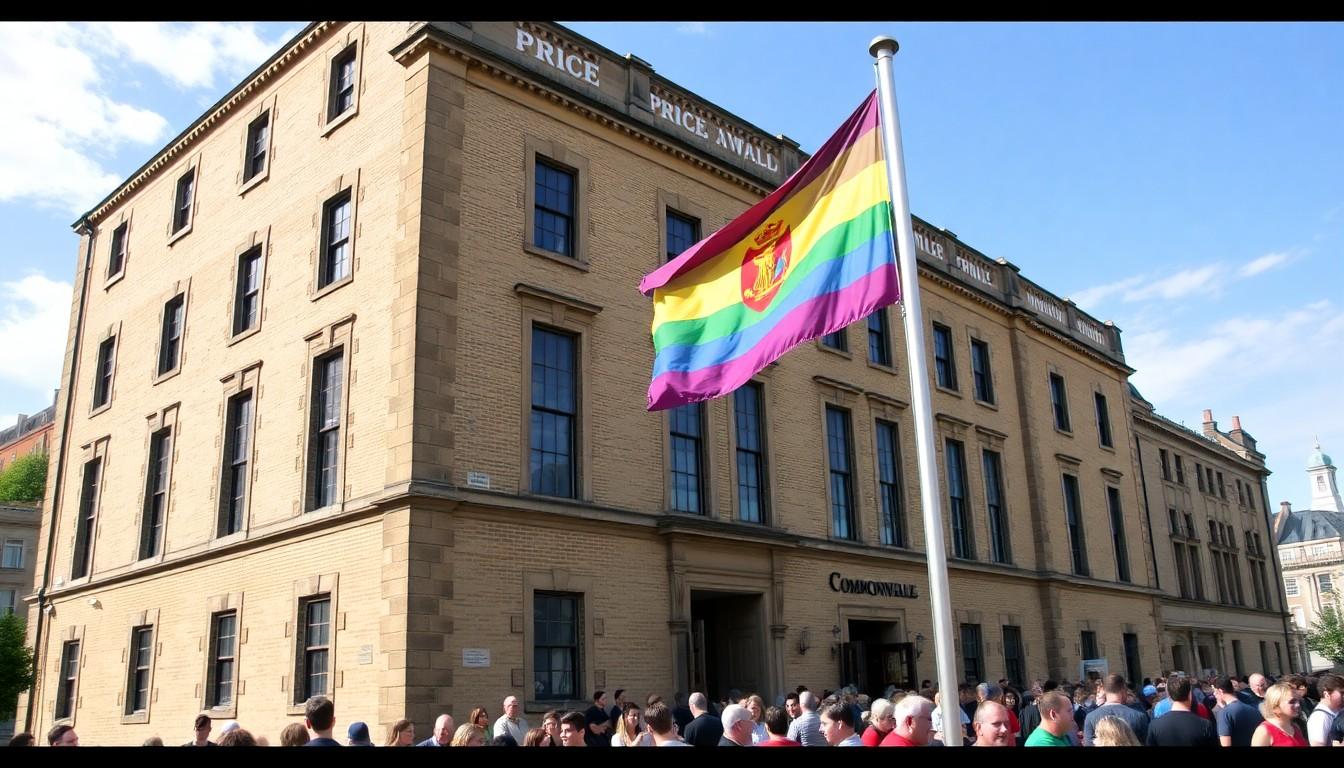
Shoppers for recognition and communities alike are turning their attention to a new state tradition; Massachusetts has launched the Commonwealth Pride Awards to spotlight LGBTQ+ leaders across professions, honouring courage, service and visible leadership that helps make towns like Revere more welcoming.
Essential Takeaways
- Inaugural awards: The Commonwealth Pride Awards debuted during Pride Month to recognise 110+ LGBTQ+ leaders nominated by state legislators.
- Local honouree spotlight: Revere’s Steven Morabito received an inaugural award for decades of public service and visibility in his hometown.
- Statewide support: Top Massachusetts leaders , the governor, lieutenant governor, Senate president and House leadership , publicly backed the awards as a defence of rights and celebration of inclusion.
- Broad representation: Honourees span public servants, educators, artists, healthcare workers and faith leaders, reflecting diverse contributions.
- Why it matters: Formal recognition nurtures local visibility, encourages civic engagement, and signals institutional backing during a time of national debate over LGBTQ+ rights.
Why the Commonwealth Pride Awards matter now
Massachusetts launched these awards at a moment when visibility counts more than ever, and the ceremony carried a warm, civic buzz , a tangible, public nod to people who’ve quietly built safer communities. According to state messaging, more than 110 honourees were recognised, nominated by their legislators in an event meant to happen every Pride Month. That breadth shows this isn’t about one headline name; it’s a ledger of everyday leadership , the teacher who stayed late, the city officer who built bridges, the advocate who kept fighting.
The awards also function as a political statement. Governor Maura Healey and other top officials used the occasion to emphasise Massachusetts’ long history of advancing civil rights, framing the prizes as both celebration and defence. For towns and cities across the Commonwealth, that backing provides reassurance that public service on LGBTQ+ issues is seen, valued and protected.
Spotlight: Steven Morabito , local courage, local impact
In Revere, Steven Morabito’s award felt personal. As the city’s Director of Engagement, Inclusion and Culture and a longtime councilor, he’s been a visible figure in local life for decades. He came out at a time when doing so invited hostility and risk, yet he stuck with public service and used his platform to open doors for others.
City leaders praised his authenticity and steady presence. The recognition from State Representative Jessica Ann Giannino framed Morabito’s work as both trailblazing and community-building, and the mayor pointed to the morale boost his openness brings to the workplace. For residents, awards like this turn quiet acts of leadership into a public story that younger people can see and emulate.
What the awards say about representation across professions
This year’s honourees read like a cross-section of civic life: doctors, historians, filmmakers, entrepreneurs, clergy, teachers and activists. That variety matters because it helps erase a single-story idea of what LGBTQ+ achievement looks like. Instead of tokenism, the list shows LGBTQ+ people leading in classrooms, hospitals, arts and municipal offices.
The awards are organised by the Massachusetts LGBTQ+ Legislative Caucus, which has a track record of policy wins , from expanded HIV-prevention access to legal protections for students and seniors. Framing the celebration alongside legislative accomplishments links recognition with real-world change and shows that inclusion can be both symbolic and practical.
How towns can make recognition stick beyond a ceremony
A plaque or event night is a great start, but lasting impact requires follow-up. Cities like Revere are already embedding inclusion through roles and offices dedicated to engagement and culture, and some municipalities are improving physical access in civic spaces to be welcoming to everyone. Local councils and school boards can use honourees’ stories in curricula, public art and civic awards, turning individual recognition into community practice.
If you’re a community organiser or councillor, nominate those who do the invisible work , mentors, translators, long-serving volunteers , and tie awards to concrete programmes, like mentorship funds or internships for young queer people. That’s how public recognition becomes generational change.
What to watch next: awards, policy and Pride season energy
Expect the Commonwealth Pride Awards to grow into a fixture of Pride Month, broadening both numbers and reach. The state’s high-profile support suggests these honourees will be called on to offer policy input, public testimony and community outreach in the months ahead. Meanwhile, Pride parades and celebrations across the state , from Boston’s large-scale events to smaller municipal gatherings , will keep visibility vibrant and connect honourees with grassroots energy.
For everyday readers, the takeaway is simple: recognition like this matters because it makes role models visible, strengthens civic trust, and reminds communities that inclusion is built person by person.
It's a small change that can make public service and everyday life more welcoming.
Source Reference Map
Story idea inspired by: [1]
Sources by paragraph: