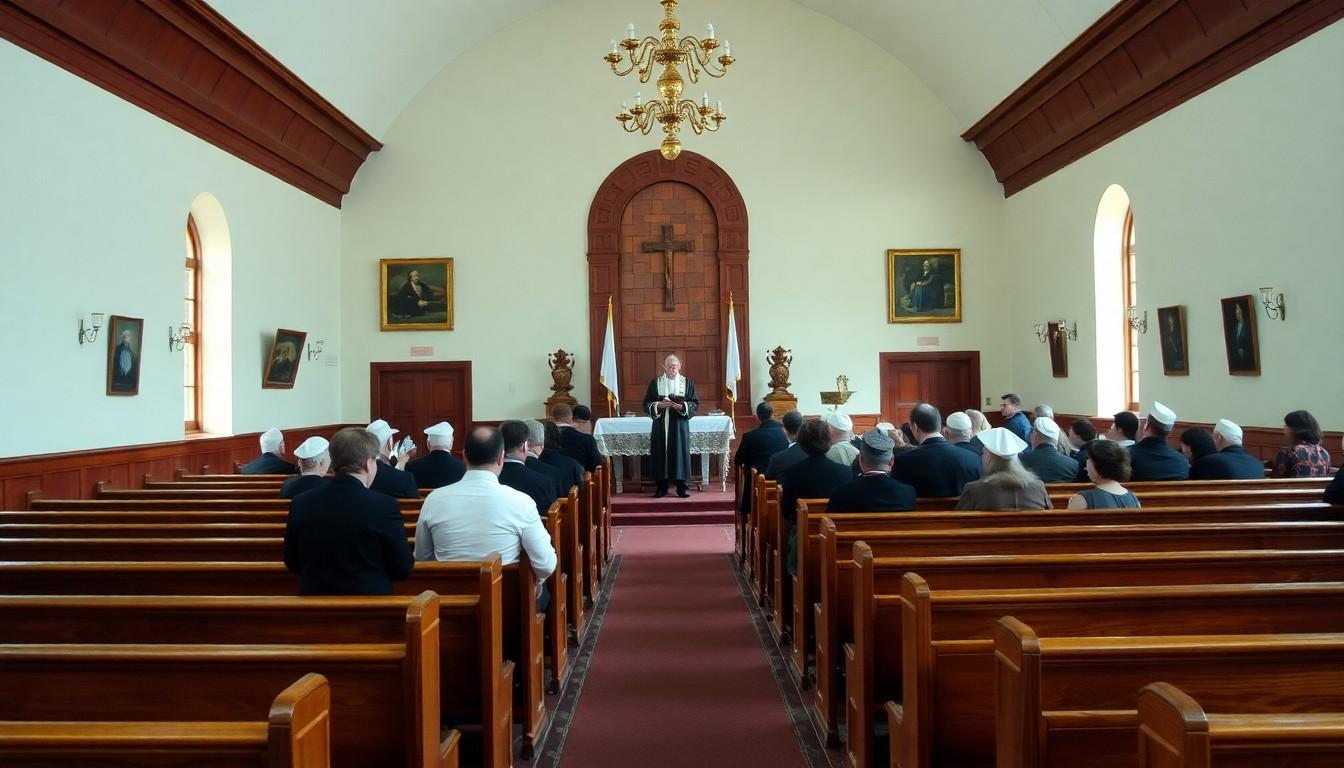
Watching public figures choose Judaism has become a powerful cultural moment , celebrities and ordinary people alike are converting, reconnecting, and speaking up as antisemitism rises, and their choices matter for identity, community and safety.
Essential Takeaways
- Notable conversion: Emmy‑nominated writer-producer Yona Speidel completed a Reform conversion in Los Angeles and publicly links her faith choice to community and belonging.
- Personal resonance: Speidel, who is trans and intersex, found spiritual affirmation in Jewish texts such as Isaiah 56, which she says recognised her identity.
- Context matters: Rising antisemitism , particularly after Oct. 7 , has paradoxically increased interest in conversion among some people seeking to stand with Jewish life.
- Community tensions: Speidel’s pro‑Zionist statements prompted online backlash within parts of the LGBTQ scene, highlighting friction between identity groups.
- Practical takeaway: Prospective converts and allies should look for welcoming rabbis, understand denominational differences, and prepare for both celebration and pushback.
A high‑profile conversion with a personal twist
Yona Speidel’s recent conversion landed in the headlines not just because she’s a known TV writer-producer but because her journey weaves gender, faith and public life into one story. Speidel described the warm, slightly surreal welcome she received the night after her mikveh ritual when a hateful shout across the street was met by her rabbi’s simple “Welcome.” It’s an emotional image that captures both the vulnerability and the relief many converts report. According to coverage in Jewish media, Speidel’s experience shows how conversion can feel like coming home even amid hostility.
Why antisemitism has driven some people closer to Judaism
It might seem counterintuitive, but several rabbis and conversion programmes have reported upticks in interest since violent and political flashpoints raised concerns for Jewish safety. The pattern is straightforward: facing an emboldened antisemitic climate, some people choose to deepen their ties to Jewish life as an act of solidarity and identity. That doesn’t mean conversion is purely reactive , many candidates describe a long spiritual pull , but the current moment has sharpened motivations. If you’re curious about conversion, expect conversations about history, ritual, and the social realities Jews face today.
Inclusion, scripture and identity , a modern reading of old texts
Speidel’s discovery of Isaiah 56 , the passage promising a place for eunuchs , became a turning point in her sense that Judaism could hold her whole self. She learned as an adult that she is intersex, and this textual resonance offered spiritual validation rather than mere tolerance. This kind of personal exegetical moment isn’t rare: many converts cite particular prayers, laws, or stories that finally clicked. For anyone exploring Judaism, asking which texts or practices feel alive to you is as important as learning the rituals themselves.
Community pushback: when politics and identity collide
Speidel publicly defended Israel’s right to exist and called herself a Zionist, which sparked online attacks from some LGBTQ circles. That backlash underlines an uncomfortable fact: identity communities aren’t monoliths, and alliances can fray over geopolitics. Speidel has called for bridges between Jewish and LGBTQ communities, while also saying she won’t rejoin Pride events until organisers address antisemitism. For prospective converts, that’s a useful reminder , conversion may bring joy and belonging, but it can also expose you to complex cultural debates.
Practical advice for anyone considering conversion today
If you’re thinking about converting, start locally , meet rabbis from the movements you’re curious about, attend services, and take introductory classes. Reform, Conservative and Orthodox paths differ in emphasis and commitment, so understanding those differences saves headaches later. Be prepared for practicalities too: learning Hebrew blessings, lifecycle rituals, and community expectations takes time. And given the current climate, think about your safety and how public you want your decision to be; social media can amplify both praise and criticism.
It's a small change that often reshapes daily life, friendships and how people see themselves , and in a fraught moment, those decisions say a lot about belonging.
Source Reference Map
Story idea inspired by: [1]
Sources by paragraph:
- Paragraph 1: ,
- Paragraph 2: ,
- Paragraph 3: ,
- Paragraph 4: ,
- Paragraph 5: ,