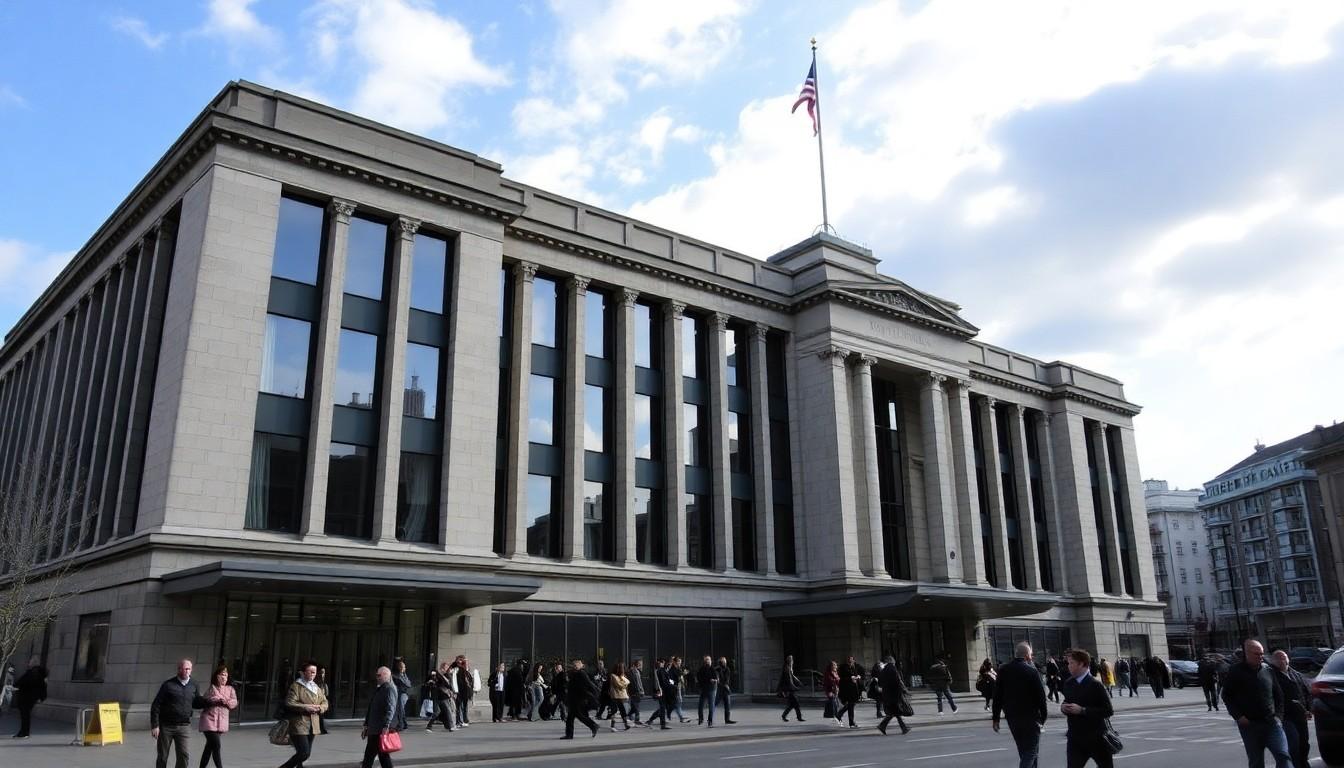
Shoppers, workers and residents are watching as Belfast City Council sets aside almost £50,000 for new Gender and LGBTQIA+ action plans, aiming to make City Hall a more inclusive workplace and civic partner , here's what the money will fund, why it matters, and what to look for next.
Essential Takeaways
- Total commitment: Council approved roughly £47,100 for two action plans , £37,500 for the Gender Action Plan and £9,600 for the LGBTQIA+ Action Plan.
- Practical spend: Funds include staff networks, training, events and modest promotional items like pens, lanyards and reusable bottles , the latter costed at £700.
- Visible participation: The LGBTQIA+ plan budgets £1,500 for Belfast Pride involvement and £1,500 to host the annual Transgender Day of Remembrance.
- Policy context: These plans sit alongside existing Disability and Race Equality Action Plans, with those budgets to be considered separately.
- Aims and tone: The programmes are framed as staff‑facing cultural change , helping people feel safe to be “their whole selves” at work , and as broader civic commitments to tackle gendered and sexual orientation inequalities.
What the council actually agreed and where the money goes
Belfast City Council councillors signed off on two separate, multi‑year plans at a Strategic Policy and Resources meeting in October 2024. The larger slice, £37,500, is earmarked for a three‑year Gender Action Plan; £9,600 will support the city’s LGBTQIA+ Action Plan. The budgets break down into familiar items , training, events, small promotional materials and third‑party memberships. Yes, that includes reusable water bottles and branded pens, which the council values as part of visibility and awareness work.
Councillors and officers framed the spend as practical steps towards a more equitable workplace and city. The gender pot includes staff networks and events for International Women’s Day and International Men’s Day, while the LGBTQIA+ funding covers awareness training, Pride participation and remembrance events. It’s not flashy, but it’s deliberate.
Why the council says it’s necessary , and the broader picture
Officials pointed to entrenched gender inequalities and the disproportionate impact of austerity, welfare reform and the pandemic as reasons to invest. The Gender Action Plan explicitly recognises that women continue to face barriers across life chances, and that men too suffer from certain gendered harms. Meanwhile, the LGBTQIA+ plan focuses on creating an organisational culture where staff feel comfortable being “their whole selves.”
This sits within a wider equality framework the council publishes online, and it echoes activity across other city organisations and community groups. In short, the council is linking internal workplace change with broader civic responsibilities, not treating either in isolation.
What the training and events will look like in practice
Expect a mix of corporate training available to all staff and targeted sessions for specific teams. The LGBTQIA+ plan lists £1,000 for broad awareness training , including bi and trans identities , and another £600 for targeted group training. For gender work, money is set aside for network groups and awareness‑raising focused on issues like sexual harassment and violence.
If you work for the council, these are the kinds of sessions that will be on your calendar. For line managers, the practical takeaway is to budget time and attention: training only works if teams get the space to engage and if follow‑up happens.
Community engagement and partnerships , Pride, Stonewall and beyond
The council isn’t just doing internal work. The LGBTQIA+ plan includes a £2,500 subscription to Stonewall’s Diversity Champions programme and £1,500 to actively participate in Belfast Pride , including council vehicles and staff joining the parade. There’s also funding to host Transgender Day of Remembrance each November.
That combination signals a willingness to be visible in the community and to align with established sector partners. Community groups have already been active in Belfast on related work, and these planned partnerships could deepen those links , provided both sides keep channels open and outcomes are tracked.
Why critics and supporters will keep an eye on the details
This isn’t a huge budget in council terms, so critics may ask whether the sums are symbolic rather than transformative. Supporters will point out that visible, consistent activity , training, networks, events and credible external partnerships , builds culture over time. The crucial test will be monitoring: are the interventions leading to measurable change in staff experience and service delivery?
If the council publishes clear milestones and invites community feedback, this funding could feel like the start of steady progress rather than a one‑off PR gesture.
It's a small change that can make everyday work and public life a bit more inclusive.
Source Reference Map
Story idea inspired by: [1]
Sources by paragraph: