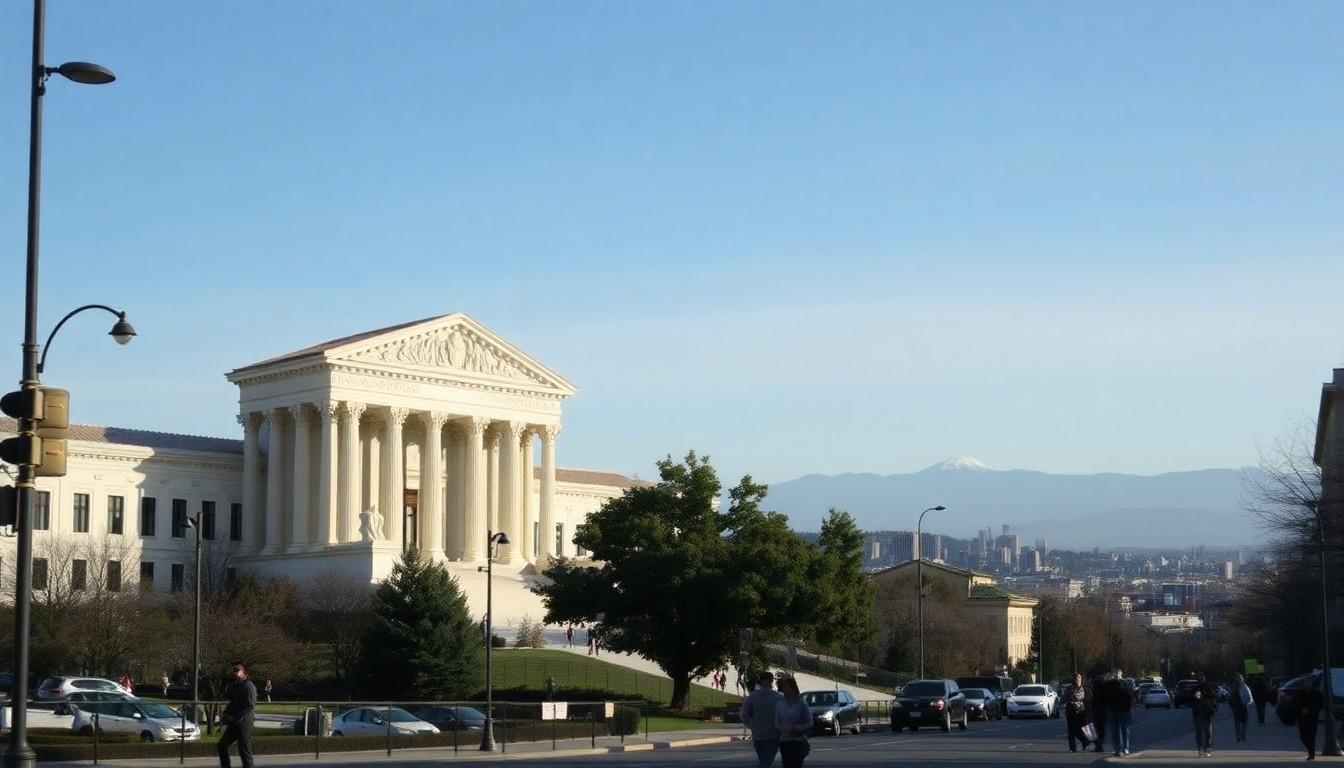
Shoppers of headlines and parents alike are watching closely: the Supreme Court added a case this term that could reshape whether minors can access gender-affirming care or seek help from shelters without parental consent , a development with real consequences for trans teens, families, and state policy.
Essential Takeaways
- What’s at stake: The Court will review Washington laws allowing some minors to get outpatient behavioural health care without parental consent and keeping runaway youth in shelters up to 90 days without immediate parental notification.
- Who sued: A coalition led by America First Legal argues parents should be able to sue before a child is affected, saying the laws hide children’s gender care from parents.
- Current status: The 9th Circuit said parents lack standing until their child is actually affected; the plaintiffs asked the Supreme Court to overturn that.
- Practical impact: If the Court sides with the challengers, states’ protections for runaway or estranged minors could be limited, changing how shelters and clinics operate.
- How it feels on the ground: The debate is emotional and polarised , advocates frame the laws as safety nets for vulnerable youth, opponents see them as undermining parental rights.
Why this case landed at the top of the docket this week
The Supreme Court’s decision to hear International Partners for Ethical Care v. Ferguson marks a jump from appellate procedure to big constitutional questions. The immediate legal knot is standing: whether parents can sue over laws before those laws actually touch their children. But the broader drama is obvious , the case could test how much leeway states have to provide confidential care to teens, including gender-affirming services. For families and shelter workers, the issue is vivid and tense: shelter staff want clarity on when to involve parents; parents want a legal route to challenge policies they see as harmful.
What Washington’s laws actually say , and what they don’t
The trio of Washington statutes under review include rules that let youth 13 and older obtain outpatient mental and behavioural health services without parental consent in some cases, a requirement that shelters notify the state if a runaway cites the need for “protected” health care, and a provision allowing runaway minors to stay in shelters longer without immediate parental notification. Importantly, state officials and fact-checkers have pointed out the laws do not transfer custody or authorise taking children from fit parents. The statutes were presented by their sponsors as protections for kids facing unsafe homes, not a means to strip parental rights.
The legal arguments: standing, parental primacy, and constitutional claims
At the heart of the petition is standing , whether parents can bring a pre-emptive suit when no concrete injury has yet occurred. The 9th Circuit thought parents’ claims were speculative and therefore non-justiciable, while the challengers argue waiting for harm would be too late. America First Legal and allied groups have framed the case around parental primacy and the idea that the Constitution protects parents’ ability to challenge laws that, in their view, hide a child’s medical choices. Expect the Court to balance procedural limits with weighty claims about family autonomy.
What advocates, lawmakers and officials are saying
Supporters of the Washington laws , including the state’s Democratic senators who sponsored the shelter bill , said the measures are about safety: they want young people in supervised shelter spaces rather than sleeping rough or falling prey to trafficking. State leaders have emphasised the bills target runaway and at-risk youth, not custody battles. On the other side, conservative groups hailed the Supreme Court’s decision to take the case, arguing parents shouldn’t have to wait until alleged harm is done before going to court. The conversation is grounded in real anxieties and moral urgency on both sides.
What this could mean for shelters, clinics and families on the ground
If the Supreme Court narrows states’ ability to provide confidential services or makes it easier for parents to sue, shelters may need to change intake practices and notify parents sooner, potentially deterring some teens from seeking help. Clinics that provide outpatient mental health care might alter consent policies for minors. Practically, shelters and providers should be reviewing policies, training staff on record-keeping and notification procedures, and communicating clearly with local authorities. For parents, this case will matter whether they want earlier legal recourse or worry about teens accessing care without consent.
Looking ahead: timing, implications and what to watch
The Court’s calendar means arguments and a decision will come over the next year; the ruling could be narrowly procedural or wide-ranging on parental rights and state power. Watch for how the justices frame standing , a ruling for the challengers could invite earlier challenges to similar laws elsewhere, while a ruling for Washington could leave state-level protections intact. Either way, the outcome will ripple through policy, shelter practice, and family law debates.
It's a small legal shift that could make a big difference to vulnerable teens and anxious families.
Source Reference Map
Story idea inspired by: [1]
Sources by paragraph: