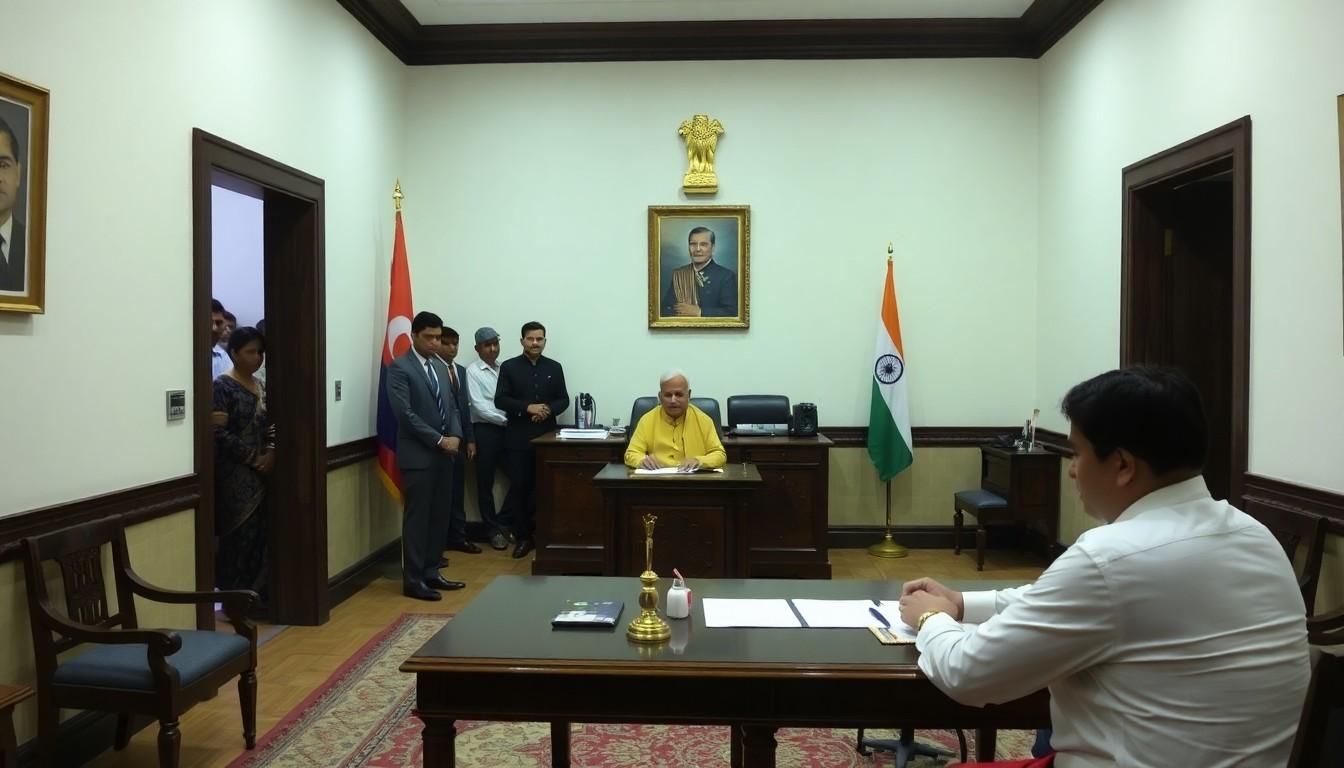
Shoppers for justice are organising , and activists are alarmed , after new changes to India’s transgender law rolled back self-identification, tightened medical gatekeeping and broadened criminal penalties; the move affects access to healthcare, shelter and the very networks that keep many trans people safe.
Essential Takeaways
- Self-ID removed: The amendment replaces self-identification with restricted recognition tied to specific cultural categories, making new legal recognition harder to obtain.
- Healthcare chilled: Hospitals and doctors now face extra reporting, parental-consent video demands and medical board oversight, so surgeons and endocrinologists have halted procedures and prescriptions.
- Support work criminalised: Broad “promotion” and “undue influence” clauses expose peer counsellors, shelter providers and community organisers to arrest, fines and prison terms.
- Economic harm: New registration barriers cut off access to subsidies and programs; fines and penalties far exceed typical welfare benefits, creating real financial risk.
- Community diversity ignored: The law flattens dozens of regionally distinct gender identities into a narrow legal frame, leaving many unrecognised.
What changed and why it matters now
The new amendment strips the practical right to declare your own gender and instead narrows legal recognition to a few historically named groups, such as hijra or kinnar. That might sound technical, but for people who used the 2019 law to access housing, healthcare and welfare, it’s devastating. According to human-rights groups and legal observers, the changes create a two-tier system where those already registered keep benefits while newcomers face near-impossible hurdles. The real cost is immediate: cancelled surgeries, blocked hormones and entire support networks operating under threat.
How the law creates a surveillance regime around healthcare
Hospitals now must report gender-affirming surgeries to district authorities and medical boards, and some adults are being asked for parental-consent videos , a humiliating and impractical demand for grown people. Doctors have responded by postponing or cancelling procedures rather than risk liability. Amnesty International and legal analyses warn that this level of oversight turns routine medical care into a bureaucratic minefield, and the result is worsened health outcomes for a community already at higher HIV risk.
Why “promotion” and “undue influence” have community workers terrified
The amendment’s language about “promoting” transgender identity and “undue influence” is vague on purpose, and that’s the problem. Peer counsellors, drop-in centres and people offering safe rooms now fear being accused of coercion or inducement. Community leaders report requiring signed consent forms before offering help, a stopgap that buys legal cover but doesn’t undo the chilling effect. The practical upshot: fewer safe spaces, fewer referrals, and more people left isolated when they need help most.
The legal fightback and the wider regional picture
Court challenges have been filed in multiple high courts and the Supreme Court has issued notices to the central government, but it hasn’t stayed the law. Legal experts point to the amendment’s echoes of colonial-era statutes and warn it undermines the spirit of earlier Supreme Court rulings that recognised self-identification and cultural diversity. Meanwhile, activists note this roll-back mirrors worrying trends elsewhere in the region, even as courts in other countries have gone the other way on documentation rights.
How this affects daily life , practical advice for those who need support
If you’re part of a trans or non-binary community in India, start by checking if your registration predates the amendment; certificates issued earlier remain valid. For anyone seeking medical care, ask clinics about their reporting practices and whether staff will support you through consent and documentation requirements. Shelter operators and counsellors should document voluntary consent and legal advice for clients, and community groups ought to archive casework securely. International funders and partners say they’ll continue supporting local organisations , financial, legal and security backing will be essential while challenges move through the courts.
Looking ahead: solidarity, survival and strategy
This amendment is a setback, but it’s also galvanised networks that have long sustained India’s gender-diverse communities. Advocacy will be both legal , challenging the law in court , and practical, keeping peer services running under new constraints. Donors and allies stress the need for safety, solidarity and strategic litigation. For many activists on the ground, the fight is about preserving chosen families and lifelines that replace the families that reject them.
It’s a small change in wording that has enormous consequences; the coming months will show whether legal action and community resilience can blunt the worst effects.
Source Reference Map
Story idea inspired by: [1]
Sources by paragraph: