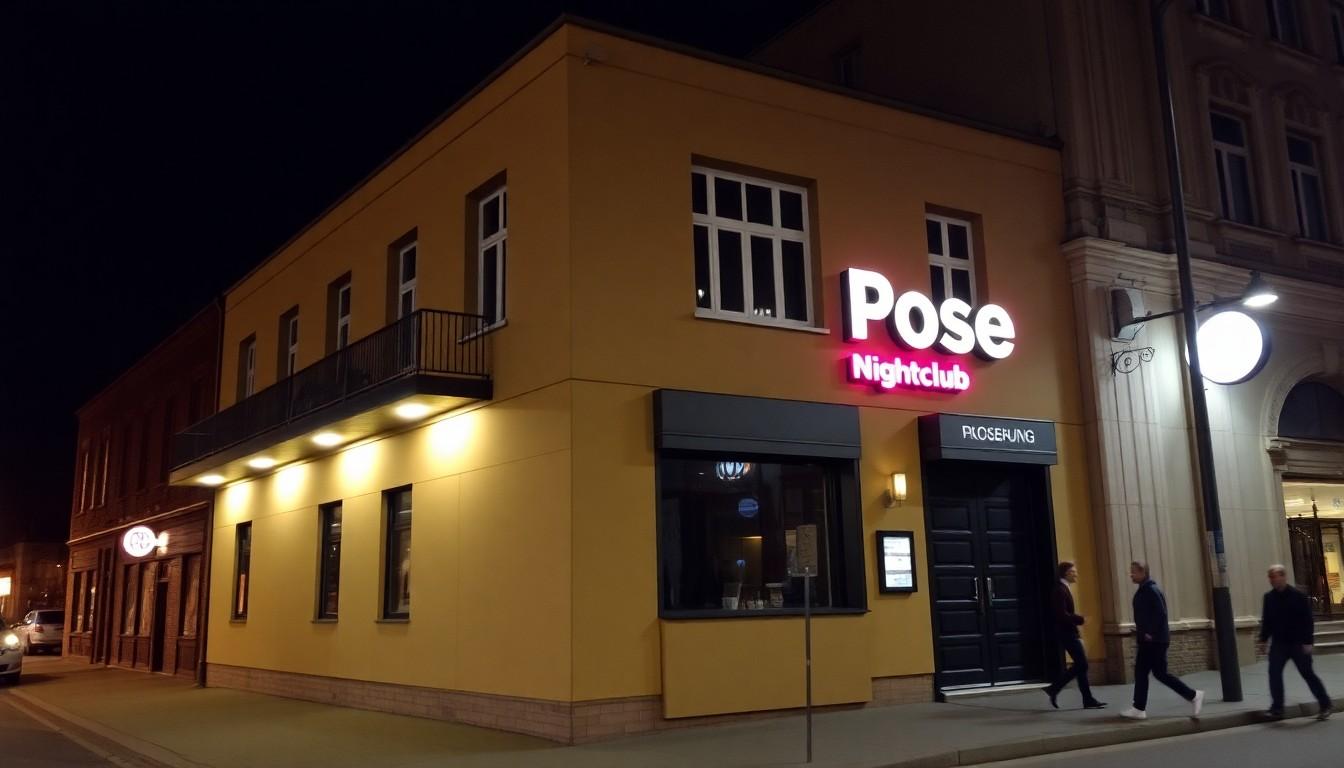
Shocked observers say the jailing of a nightclub owner and two staff in Orenburg marks the first major prosecution under Russia’s ban on the “LGBT movement”, raising fears for safe spaces and the wider community as authorities step up enforcement.
Essential Takeaways
- Harsh sentences: The club owner was given seven years, the manager six years three months, and an art director two years three months.
- First high-profile case: Legal experts say this is the first major conviction under the 2023 designation of the “LGBT movement” as extremist.
- Raid and evidence: Police and National Guard raids in 2024 produced footage used by prosecutors; patrons were shown detained and ordered to lie on the floor.
- Chilling effect: Lawyers warn the verdict will deter venues, publishers and organisers, shrinking one of the few remaining public spaces for LGBT people.
- Practical worry: Supporters say the rulings make even cultural events, drag, film screenings, book listings, risky activities in Russia.
What happened in Orenburg, and why it matters
The court in Orenburg handed down lengthy prison terms after finding three workers guilty of running an “extremist organisation” from what had been an LGBT nightclub. The sentences feel heavy and final; the owner faces seven years behind bars and a six-figure rouble fine. According to reporting by regional and international outlets, footage from the raid and a narrative that framed club events as evidence of organised “LGBT activity” formed the backbone of the prosecution. For LGBT people across Russia, this is not an abstract legal quibble , it’s a clear signal that public gatherings and nightlife can now trigger criminal charges.
How the law changed the playing field
In 2023 Russia’s Supreme Court labelled the “LGBT movement” extremist, a move that recast advocacy, events and even cultural expressions as potentially criminal. Since then authorities have fined streaming platforms and queried publishers for content deemed “propaganda”. Legal analysts say that rebranding community organising as extremism turns ordinary hospitality and entertainment into possible grounds for prosecution. That shift explains why a neon-lit club hosting drag nights could be treated as a criminal enterprise rather than a venue.
The raid, the footage, and the courtroom narrative
Media reports describe a 2024 raid in which officers and National Guard units swept through the club, footage later amplified online by far-right outlets. People were filmed with their hands raised or lying on the floor , stark, humiliating images that prosecutors used to argue the venue was a front for organised activity. The defendants denied wrongdoing in court, but judges accepted the state’s framing. Observers say the composition of the evidence and the theatricality of the footage underscored the political nature of the prosecution.
What this means for venues, bookshops and cultural life
Owners of small venues and cultural spaces are already changing how they operate. Some have rebranded nights as “parody theatre” or toned down marketing; others may close altogether. Publishers and online platforms are routinely facing fines or questioning, and activists warn that the verdict will encourage copycat prosecutions. Practically speaking, anyone hosting queer-focused events now has to weigh legal risk , venue size, the wording of adverts, and how events are described could make the difference between a night out and a criminal case.
How activists and the international community are reacting
Rights groups and lawyers have called the sentences a precedent that will be used to chip away at the last remaining safe havens. International outlets and NGOs are flagging the case as part of a broader crackdown under President Vladimir Putin, who has framed LGBT rights as a foreign threat to traditional values. Supporters inside Russia say legal aid is needed and that international attention can help, but they also worry that the climate of fear will push community life further underground.
It's a small change for the law that could make a huge difference to people’s daily lives and the few open spaces left.
Source Reference Map
Story idea inspired by: [1]
Sources by paragraph: