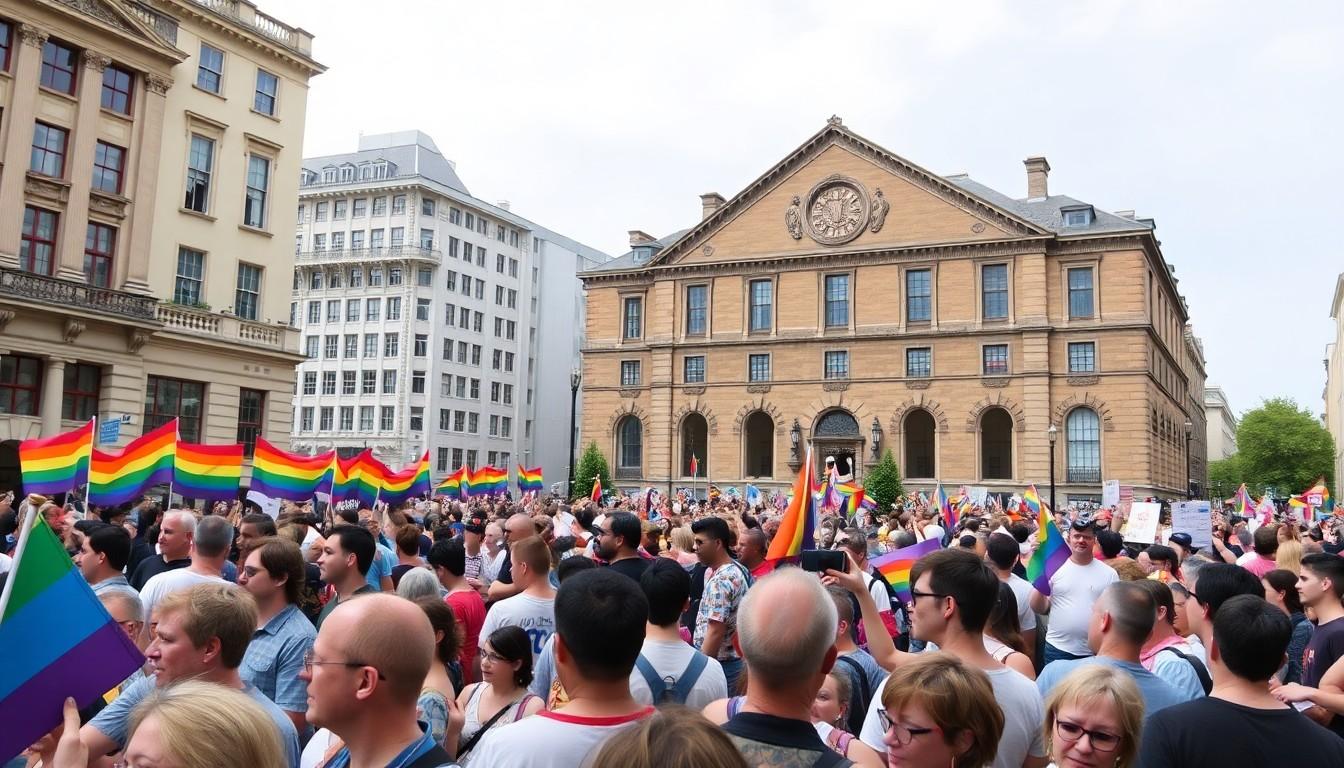
Shoppers are turning to spectacle and activists are doubling down , Pride events across the world now sit at a fraught crossroads where celebration rubs up against urgent politics, polarisation and questions about who Pride is really for and what it should achieve.
Essential Takeaways
- Deep divisions: Pride has long contained conflicting visions , from celebratory parades to militant protest , and those splits are now highly visible.
- Who’s seen and who’s left out: Trans, racialised and disabled people still report exclusion; alternative Prides offer safer, more political spaces.
- Global pressures: The rise of far-right and anti-gender movements is forcing organisers to choose strategies that range from single-issue rights to intersectional solidarity.
- Sponsorship tensions: Corporate partners bring funding and visibility but also criticise for depoliticising Pride and sidelining marginal voices.
- Local matters: Context counts , legal setbacks, wars and national politics shape whether Pride is a refuge, a platform for protest, or both.
Pride has always been messy , and that matters
Pride’s pageantry often masks a knottier story: it’s as much about argument as it is about dancing in the streets, and you can feel that tug when you watch a float roll by. According to reporting and recent academic work, tensions over who gets centre stage , activists demanding systemic change versus participants wanting a safe, joyful space , have been part of Pride from early on. That history means today’s clashes aren’t a sign Pride is failing, but that it’s still the contested public forum it always was. If you want to understand a local event, start by asking who organises it, who funds it, and who is missing.
Alternative Prides are growing because mainstream events excluded people
When mainstream Prides feel white, corporate or cisnormative, communities respond by building their own spaces. Trans Pride, Black Pride and other alternative gatherings have proliferated, offering a louder political pitch and a quieter, safer environment for those often sidelined. Organisations and NGOs charting Pride around the world show these breakaways aren’t fringe experiments but intentional acts of community-building. If your local Pride sidelines marginal voices, look for alternative events nearby , they’re where organisers often pilot new ideas and real solidarity.
Corporate sponsorship buys scale , and controversy
Money lets marches be bigger and safer, but it also reshapes the message. Sponsorship brings logistics support and visibility, yet many activists argue that it softens protest into consumer-friendly branding. International analyses note a global pattern: commercial partners expand reach but can dilute demands for systemic change. For participants, a practical rule of thumb is to check who’s on the banner and what demands are on the stage , a strong politics usually shows up in the event’s platform, not just its adverts.
Geopolitics and backlashes are forcing strategic choices
National politics and global crises now pile powerfully onto Pride organisers’ plates. From legal rollbacks to wars that raise heated solidarity questions, Pride events increasingly have to take stances on far broader issues than marriage equality. Recent reporting shows that some organisers have been forced to pick sides on international conflicts, which has created splinter groups and sharp debate. That means activists must decide whether to anchor Pride in single-issue rights work or in intersectional, decolonial politics , the choice affects alliances and who turns up.
How to choose which Pride to attend , practical advice
If you want to be thoughtful about showing up, there are a few quick checks: scan the event’s stated platform for concrete demands, look at who’s listed as partners, and see whether marginalised groups have visible roles. If safety is a concern, check policies on police presence and accessibility provisions for disabled attendees. And remember, attending a smaller, alternative Pride can be a powerful political statement , and often feels more intimate and honest than the big, sponsored parades.
Where Pride might be headed next
Expect more pluralism rather than a single future: both big, flashy Prides and smaller, politicised gatherings will continue to coexist. Organisers who survive the current moment will be those who can balance joy with accountability, funding with autonomy, and celebration with solidarity. The immediate challenge is strategic: can Pride be both a refuge and an engine for change? Local communities will keep answering that question in the streets.
It's a small change in perspective that can make every Pride feel more honest and inclusive.
Source Reference Map
Story idea inspired by: [1]
Sources by paragraph: