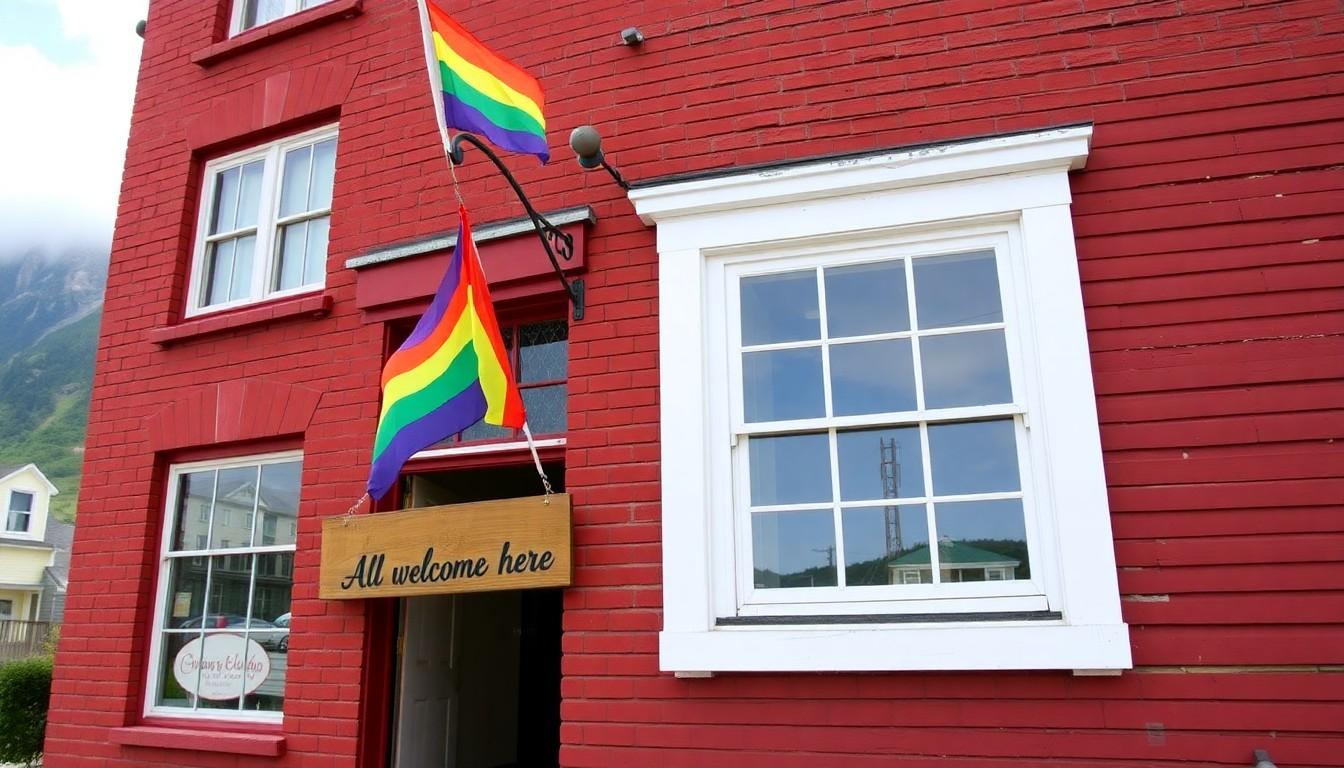
Shoppers and locals have noticed a quiet yet charged change at Skagway’s famous Red Onion Saloon, where Pride flags came down under new ownership and have only recently started returning; the controversy has put a spotlight on what visible symbols really mean for safety, tourism and community life in this small Alaskan town.
Essential Takeaways
- Visible change: New owner Tracy LaBarge removed Pride flags shortly after taking over the Red Onion Saloon, a longtime queer-friendly local spot.
- Community response: A Change.org petition gathered hundreds of signatures in a town of roughly 800 year-round residents, calling for an apology and the flags’ return.
- Safety concern: Former staff say the flags helped reduce inappropriate behaviour and made some staff feel safer; their absence felt like a loss of protection.
- Mixed views on symbols: Some locals stress that allyship is lived through hiring, events and policies, not just decorations , though flags remain powerful signs.
- Comeback gestures: Small Pride flags were later placed inside the saloon and a window sign reading “All welcome here” appeared, while local Pride donations and events grew this June.
What happened at Skagway’s most notorious bar? A quick scene-setting
The Red Onion Saloon is theatre and history in one , a corseted, brothel-museum-on-the-second-floor kind of place that doubles as a tourist magnet by day and a queer-friendly local hangout by night. So when Tracy LaBarge, who also owns eateries in Juneau, took over the venue this year and asked for Pride decorations to come down, people noticed. The change was tactile , the street looked a little less bright , and it sparked swift pushback from staff and patrons who’d come to view the saloon as an unofficial gay bar. According to reporting by local outlets, the owner issued a statement insisting the venue remains welcoming even as display choices change.
Why a flag matters: safety, visibility and local history
For many former staff and performers, the Pride flag was more than a colourful banner; it signalled a safer environment. Employees told reporters that incidents of non-consensual touching and hateful remarks decreased when flags were visible. That’s the central worry behind the petition that circulated in June , in a town of around 800 year-round residents it gathered hundreds of signatures. There’s a straightforward psychology to it: symbols can deter bad behaviour and reassure people who might otherwise feel vulnerable.
Can donations and events substitute for a flag?
The Red Onion did donate to the Skagway Pride Committee and hosted at least one Pride dance night, which complicates the story. Some residents, like charity and show producers, point out that allyship is more than a window display. They emphasise hiring visibly queer staff, running inclusive events and maintaining policies that protect people. That’s a fair point , yet many also argue that the flag is “icing on the cake,” a quick, visible cue that complements deeper actions rather than replaces them.
Small-town dynamics: why this blew up here
In a small tourist town recognition and reputation move fast. Skagway’s Pride Month is a big draw: it starts with a mayoral proclamation, brings drag performers from Juneau and runs a packed calendar of queer poetry, inclusive storytime and bingo. When a landmark venue shifts its visible posture, it feels personal. Some locals framed the episode as the sale of a queer institution: the business culture and customer mix that made the Red Onion a go-to queer space didn’t vanish with a change of ownership. The petition and public conversations reflect how closely community identity and local businesses are entwined in places this size.
Where things stand now , practical takeaways for visitors and locals
By late June, staff put small Pride flags back inside the saloon and hung a wooden sign in the window that reads “All welcome here.” The Pride Committee reports donations up from last year, and the town’s programme ran as planned. If you’re visiting Skagway and want to support queer-friendly spots, look beyond flags: check event listings, see who’s hiring or performing, and follow local Pride channels for sponsorship and schedules. If you run a small business, remember that a flag is a fast, low-cost signal , but policies, staff training and visible hiring are what sustain safety.
It's a small change that can make every visit feel a little safer and a lot more welcome.
Source Reference Map
Story idea inspired by: [1]
Sources by paragraph: