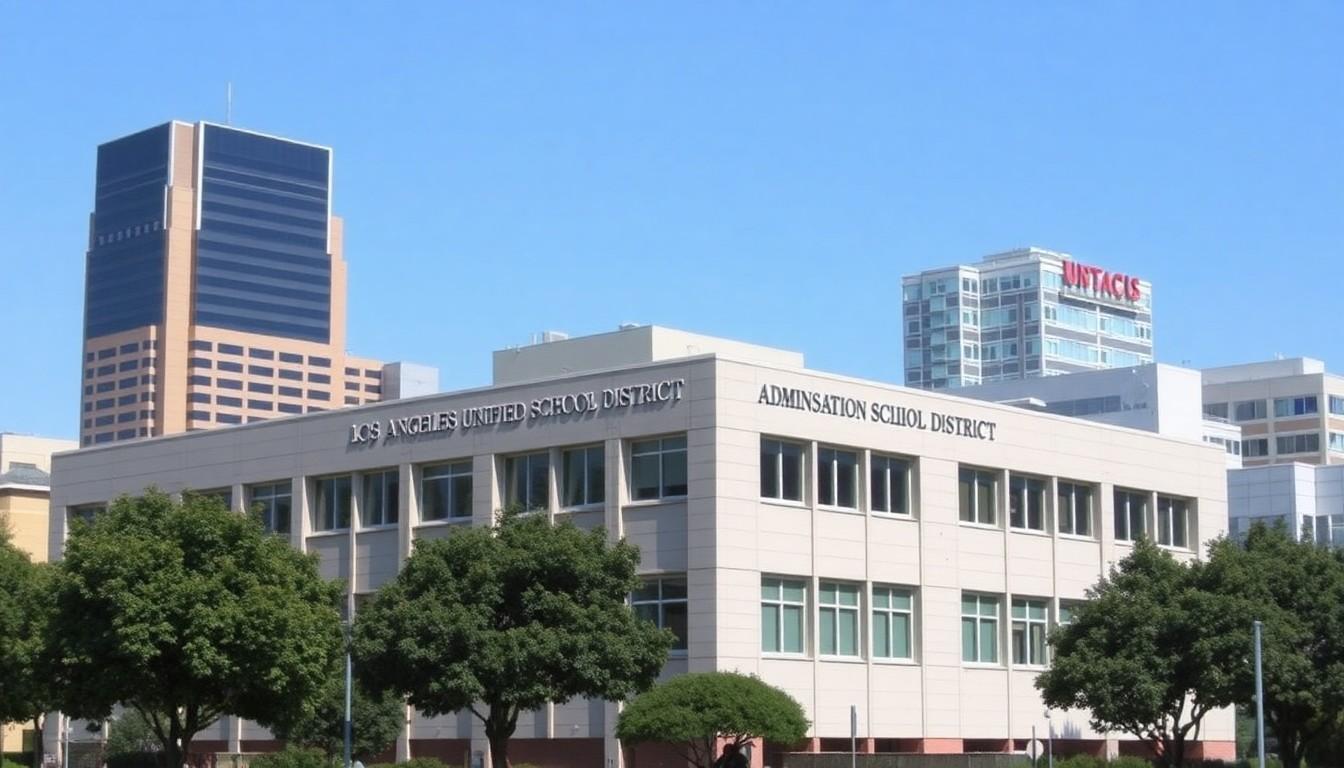
Shifts are happening quietly in Los Angeles classrooms: after a legal challenge, LAUSD removed mandatory “affirm and respect” language from an annual LGBTQ cultural-competency training acknowledgement, a move that matters for teachers balancing professional duties and personal convictions. Here’s what changed, why it matters, and practical tips for staff and parents.
Essential Takeaways
- Policy tweak: LAUSD replaced a checkbox that required teachers to "affirm and respect" students’ gender identities with a simpler acknowledgment that they are aware of district nondiscrimination policies.
- Legal prompt: The change followed a demand letter from Liberty Counsel, which argued the original language clashed with federal protections for religious beliefs.
- Training background: The online PRISM course stems from California’s Safe and Supportive Schools Act and was developed with LGBT advocacy groups such as the Trevor Project and Human Rights Campaign.
- Teacher reaction: Some educators expressed relief, describing fear of being forced to choose between faith and employment.
- Practical note: The district still requires annual training for middle and high school staff , only the certification wording was altered.
What exactly changed in the LAUSD training form?
The most immediate difference is textual but important: teachers used to click a box affirming they would "affirm and respect" students’ identities, including those identifying as LGBTQ. The district now asks staff to confirm they are "aware" of its nondiscrimination policies. That’s a softer, informational ask rather than an attestation of personal action.
The tweak happened soon after a legal group raised concerns. For staff, the new phrasing removes an element that some described as a statement of personal belief. For parents and students, LAUSD says nondiscrimination obligations remain in force.
Why did the district move so quickly?
Liberty Counsel sent a demand letter arguing that compelling staff to affirm gender identities could violate federal protections for religious conscience. The group framed the change as a defence of religious liberty, and some teachers publicly thanked the organisation for intervening.
At the same time, this is a pragmatic response by a large district to legal pressure. LAUSD still needs to comply with California law mandating annual training to support LGBTQ students, so the substance of the training remains; only the certification language was altered.
How this fits into the wider legal and policy picture
California’s Safe and Supportive Schools Act prompted the PRISM training, which the state developed in partnership with advocacy organisations. At the same time, courts and state agencies are juggling competing rights , protections against discrimination based on gender identity, and statutory protections for employees’ religious beliefs.
Recent court activity in California has shown similar tensions, with rulings and pauses that affect how schools handle communication with parents and support for students. The LAUSD wording change is a local example of a much broader national conversation about what schools can require of staff.
What teachers and staff should know and do next
If you’re a teacher, don’t treat the new checkbox as a green light to ignore students’ needs; it simply clarifies what you’re being asked to certify. Continue to follow district nondiscrimination rules and complete the PRISM training as required. If you have religious or conscience-based concerns, document them and seek guidance from your union or legal counsel before making any declarative statements.
For school leaders, this is a reminder to draft staff-facing language that clearly separates awareness of policy from personal beliefs. That reduces legal risk while maintaining protections for students.
What parents and students can expect going forward
Students protected by nondiscrimination rules should still expect supportive practices under district policy and state law. Parents who worry about classroom approaches will want to stay engaged with school communications and local board meetings; transparency helps calm tensions.
Expect more local and legal debate, but also practical adjustments as districts refine how they train staff to balance legal duties and individual conscience.
It's a small wording change with big ripple effects , and one more sign that schools are navigating complex legal, social and human terrain.
Source Reference Map
Story idea inspired by: [1]
Sources by paragraph: