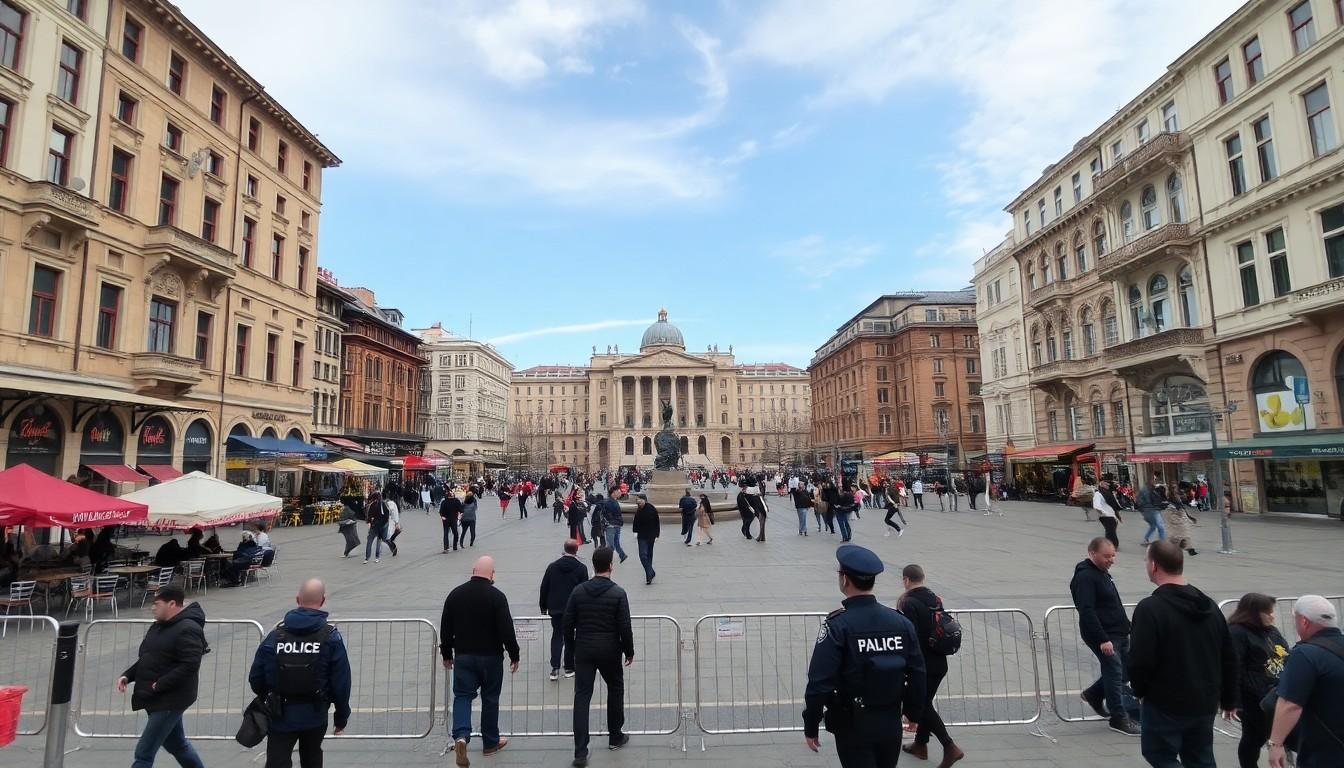
Shoppers are turning to headlines: at least 50 people were detained at Istanbul’s Pride as organisers said police blocked the main gathering and stopped protesters from reaching Taksim , a vivid reminder of why the city’s LGBTQ+ community remains under pressure and why reporting on it matters.
Essential Takeaways
- Detentions confirmed: Organisers and multiple outlets report at least 50 people detained during Istanbul Pride, including demonstrators and journalists, with a tense, crowded atmosphere.
- Access restricted: Authorities blocked access to main Pride meeting points, installed metal barriers around Taksim Square and limited metro services, creating a claustrophobic, sealed-off centre.
- Journalists targeted: Press freedom groups say reporters covering the event were stopped; media unions report journalist Müberra Ünsal was among those held after identifying herself.
- Ban in place: Turkey has effectively prohibited the annual Pride march since 2015, even though same-sex relations are not criminalised; the ban reflects wider political hostility.
- Political context: President Erdoğan and state officials have repeatedly criticised LGBTQ+ communities, linking them to demographic concerns and stirring social tensions.
What happened at Istanbul Pride , the scene on the ground
The day unfolded under a low, watchful sky as police sealed off familiar meeting points and erected metal barriers, turning central Istanbul into a maze of cordons and checkpoints. According to organisers and several news reports, crowds trying to reach Taksim were redirected or prevented from assembling, and at least 50 people were detained in the process. You could almost feel the frustration in the air , chants replaced by shouted directions and the metallic clank of barricades.
Authorities said the gatherings had been banned, and transport restrictions, including reduced metro services, made movement difficult. The disruption made the protest feel smaller and more compressed, and it underlined how a public event can be rendered almost impossible by logistics and policing rather than sheer numbers.
Why the march is banned and what that means in practice
Turkey’s legal position is complex: same-sex relations are not a criminal offence, yet the annual Pride march in Istanbul has faced de facto bans since 2015. The prohibition has become a practical barrier to public visibility for LGBTQ+ people, who find their right to assemble curtailed year after year. Politicians have framed the community as a social problem; remarks from the highest levels about declining birth rates have been used to justify hostile rhetoric.
Those bans don’t just stop a parade , they also normalise a heavy-handed response to peaceful assembly. For activists, the ban is a signal that public space is conditional, and for many on the street, it turns a colourful, defiant event into a risky one.
Press freedom under strain , reporters detained while covering Pride
Coverage of the day was overshadowed when unions and press freedom groups reported that journalists covering the march were obstructed, with the journalist Müberra Ünsal singled out as among those detained after identifying herself to police. Media watchdogs quickly flagged the incident, calling it an illegal obstruction of reporting.
When reporters can’t cover events safely, public understanding suffers and accountability is weakened. International outlets and rights groups have raised concerns, and the episode fits a wider pattern of pressure on independent media in Turkey in recent years.
How this fits into wider regional and global trends
Across Europe and beyond, Pride events have been a barometer of social and political openness. In places where authorities view LGBTQ+ visibility as a threat or an inconvenience, organisers face bans, police action, and legal hurdles. Istanbul’s experience mirrors that: a city with a history of large, boisterous Pride gatherings suddenly reduced to blocked streets and arrests.
That said, the persistence of organisers and their supporters also reflects a broader resilience. Every time a march is banned and people still attempt to gather, it becomes a form of civic refusal that keeps the conversation alive both locally and internationally.
Practical tips for observers, journalists and supporters
If you’re planning to report on or attend a Pride in a context where bans and heavy policing are likely, basic precautions help: register press credentials visibly, share location and check-in plans with colleagues, and have simple legal and emergency contacts on hand. Supporters outside the country can amplify verified updates from trusted local sources and back independent press organisations working under pressure.
For those following from afar, tolerance for nuance matters , laws and on-the-ground realities can differ sharply, and understanding the political context makes solidarity more useful.
It's a small change that can make visibility safer and reporting stronger.
Source Reference Map
Story idea inspired by: [1]
Sources by paragraph: