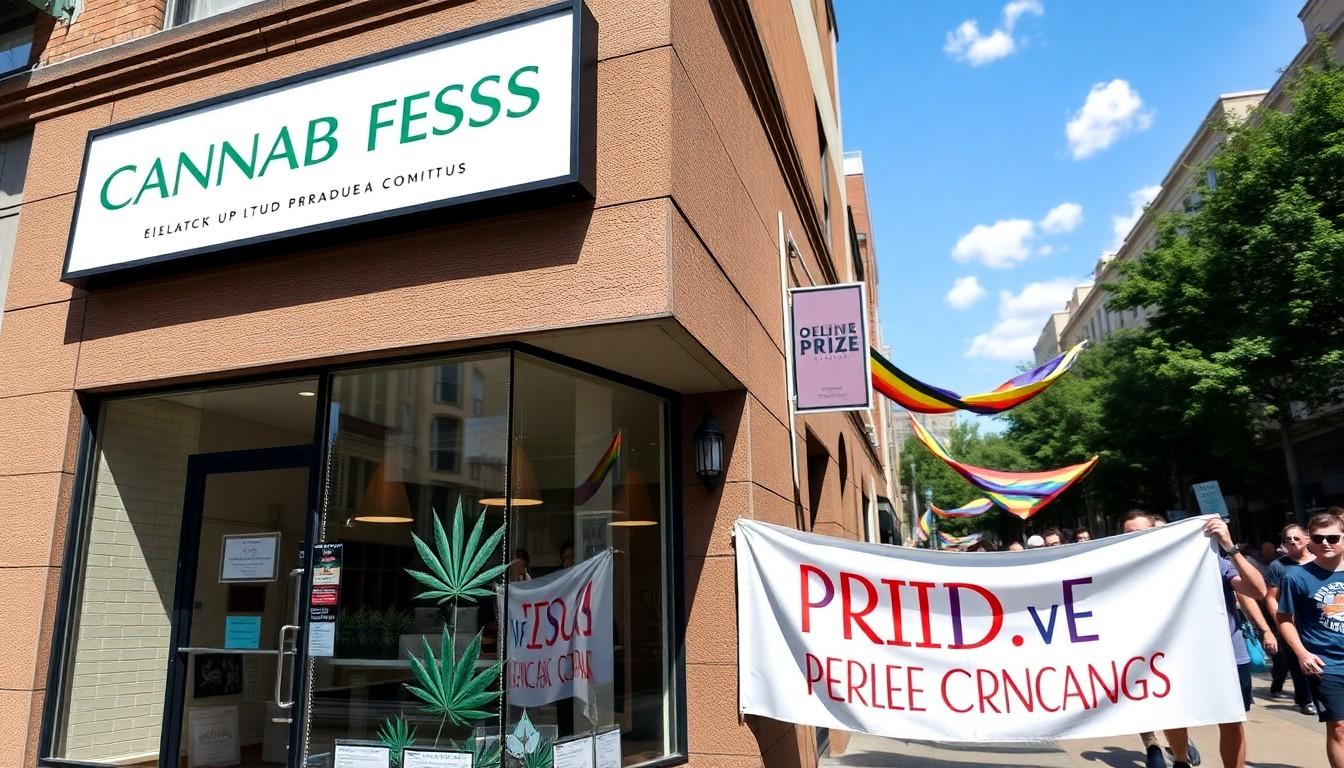
Start showing up beyond Pride: owners and marketers in the cannabis industry can follow this month-by-month roadmap to build authentic, practical LGBTQ+ advocacy that matters to customers, staff and community year-round.
Essential Takeaways
- Monthly roadmap: A simple, actionable plan breaks advocacy into monthly focuses so it’s consistent, not performative.
- Mix of culture and policy: Combine cultural learning (films, books, art) with workplace policy changes and donations.
- Practical actions: Small moves, pronoun pins, inclusive leave, local sponsorship, add up to real change.
- Local-first advice: Support grassroots groups and queer-owned businesses in your area; it feels sincere and helps communities directly.
- Measure and iterate: Reflect, set a single improvement goal, then track it through your existing project tools.
Why a month-by-month plan actually helps your brand
Breaking advocacy into monthly themes makes the work manageable and keeps your team engaged instead of scrambling for last-minute gestures. Start with a soft, reflective January and build momentum: by the time June arrives you’ll have context, staff buy-in and genuine relationships to show for it. Industry voices and community organisers increasingly expect year-round engagement, and customers notice when brands sustain support rather than only posting rainbow logos in June. Practical tip: choose one measurable goal in January and attach it to a project board so progress is visible.
Learn and celebrate the stories behind the activism
The queer and trans fight for rights and visibility is woven into cannabis history and vice versa; recognising that link deepens credibility. In February, for instance, centre Black queer pioneers and creatives, read, watch and discuss their work with staff. Curating events or shared resources builds empathy and expands your cultural literacy. For cannabis businesses, tying these stories into product education or blog content brings industry relevance while spotlighting under-told voices.
Build real ally tools, not just optics
Allyship needs scaffolding: inclusive language training, clear procedures for reporting discrimination and simple workplace habits like pronoun badges or neutral dress codes. Make March your toolkit month, sign staff up for short, reputable courses and run a workshop on bystander intervention. Policy changes in September can be the practical follow-through for what you learn in spring. Customers and employees can tell the difference between a brand that learns and a brand that merely adopts symbols.
Put money, time and visibility into community health
By May, focus on mental health and crisis services that serve queer and trans people; many organisations welcome remote volunteers or one-off donations. During Pride in June, continue that commitment by sponsoring local events, marching, or amplifying grassroots organisations on your channels. Local sponsorships and partnerships tend to feel more authentic than national campaigns, so support community groups, queer social spaces and cannabis collectives near you. If your business ships across states, consider targeted giving to support places where legal protections are weakest.
Keep learning, protect rights, and read the banned books
Advocacy is intellectual and practical. Use August to study marginalised queer histories beyond the headlines: podcasts, archives and memoirs make excellent internal book-club fodder. In October, buy and promote banned LGBTQ+ books from independent and queer-owned bookstores to counter censorship and support queer authors economically. Then in November, translate that cultural work into civic action, check candidate records and vote for officials who defend trans and queer rights. Your brand can nudge employees and customers toward local civic engagement without being partisan.
Practical workplace changes that make inclusion stick
Small policy edits are surprisingly impactful: change “maternity/paternity” language to “parental leave,” remove restrictive dress code language, and standardise pronoun practice in email signatures and name tags. Use established HR guidance to ensure these tweaks are legally sound and durable. Reviewing and publishing your updated policies in September creates a cadence: learn in spring, revise in autumn, evaluate in winter. Staff morale improves when policy matches the culture you talk about.
Keep it local, measurable and sincere
National campaigns are visible, but local action is where relationships and trust live. Follow local queer cannabis collectives and event calendars, sponsor a neighbourhood Pride float, and buy products from queer- or BIPOC-owned shops. Measure donations, volunteer hours and policy changes and report them internally, transparency keeps you accountable and helps avoid “rainbow washing.” Above all, consistency matters: sustained, modest support beats a grand gesture that fizzles.
It's a small change that can make every day of advocacy feel meaningful.
Source Reference Map
Story idea inspired by: [1]
Sources by paragraph: