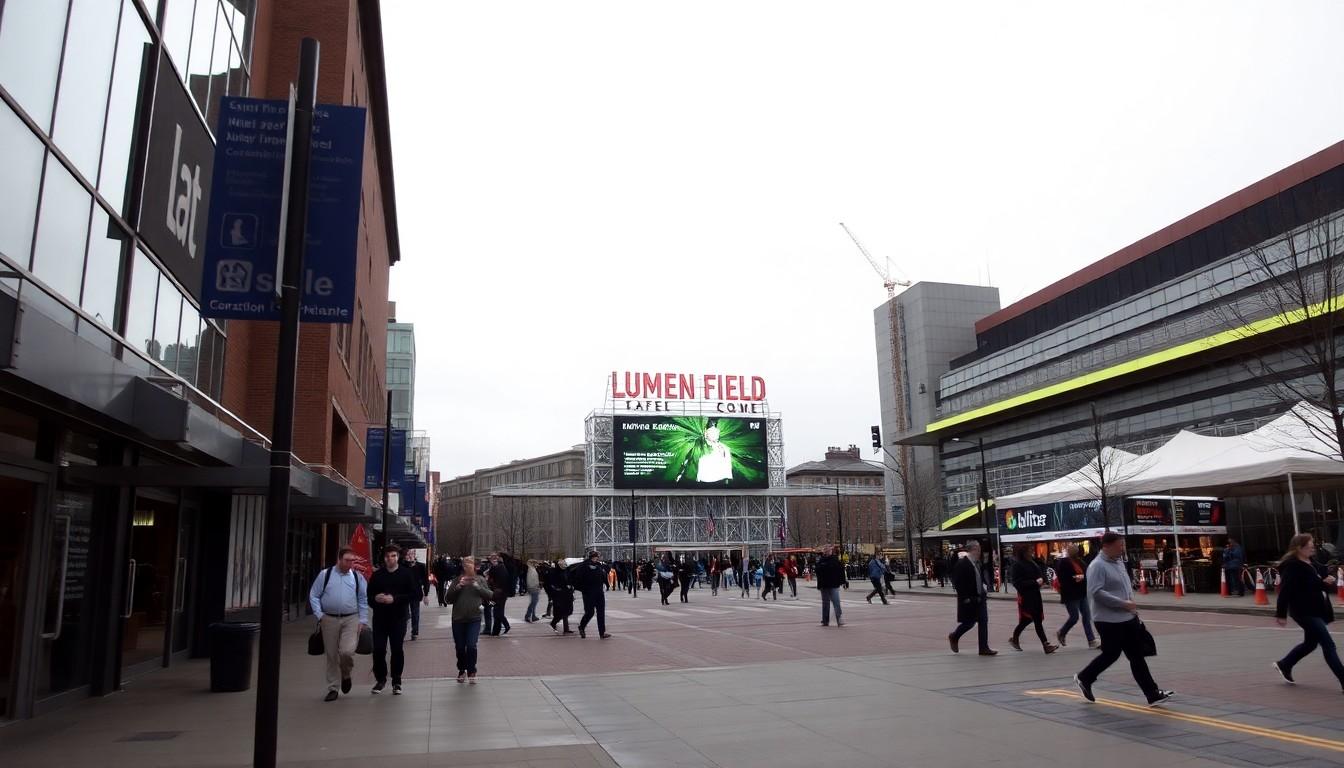
Watchers packed Lumen Field in rainbow and national colours on June 26 as Iran faced Egypt , a match that became as much about Pride as it was about football, drawing global attention because both countries criminalise same-sex relations and fans came to celebrate and be seen.
Essential Takeaways
- Bold scene: Fans wore rainbows amid red-and-white jerseys, creating a vivid, defiant visual at Lumen Field.
- Federations objected: Egypt and Iran asked FIFA to curb Pride displays ahead of the match; FIFA declined.
- On-pitch drama: The game finished 2-2 with a late disallowed goal and Iran later eliminated on points despite not losing.
- Quiet from players: Teams avoided debating Pride in pressers; some players offered cautious respect for LGBTQIA+ fans.
- Civic choice mattered: Seattle’s Pride calendar and local organisers shaped the moment, making the stadium a stage for both sport and expression.
A vivid stadium, a subtle political victory
Lumen Field looked like a festival as much as a football ground, rainbows threaded through chants and pharaoh hats, giving the evening a warm, noisy texture. According to reports from outlets covering the match, fans who came to cheer their teams also came to be visible, and the visual impact mattered , it turned a group fixture into an unofficial Pride match. The choice by local authorities and match organisers to allow rainbow gear made the stadium feel like a public square as well as a sporting arena, and that mattered to many watching.
Federations objected , and FIFA chose the city
Both the Egyptian and Iranian football federations had formally asked FIFA to restrict Pride-related activity around the fixture, arguing cultural and religious sensitivities. But FIFA sided with Seattle’s approach and allowed fans to bring rainbow merchandise, a decision covered widely in international press. That administrative call transformed what might have been a routine match into a symbolic test of how global sport negotiates local values, and it showed the governing body can, sometimes, defer to host-city context.
The match itself was dramatic, if fractious
On the pitch, the game delivered the kind of ups-and-downs fans live for , an early Egyptian opener, an Iranian reply, a saved penalty, and a last-gasp goal ruled out by offside after a virtual assistant referee review. Those twists made the tie feel like a full contest, and the footballing fallout was immediate: Iran exited the tournament without a loss after group results left them ninth among 48, while Egypt advanced to face Australia. For many fans the sporting narrative and the political one ran in parallel, neither fully eclipsing the other.
Players stayed cautious in public comments
Post-match press conferences avoided turning the fixture into a culture-war battleground. Players from both sides didn’t directly debate Pride; some offered conciliatory lines, saying they respect people’s choices while also noting personal or religious reservations. That restraint highlights the tightrope athletes walk when a game becomes a global flashpoint , they’re ambassadors for teams, nations and, often, competing value systems. Media reported the measured tones rather than confrontations, which many saw as wise.
Why Seattle, and why this moment, matters
Seattle’s Pride calendar and its civic identity made it a likely place for visibility to be allowed, and organisers leaned into that. Observers noted the timing , the match fell on the anniversary of a major US Supreme Court ruling on same-sex marriage , and the optics were hard to miss. Sport has a habit of making private beliefs public, and this match underscored how a single venue can amplify voices that are silenced at home. For activists and fans, being able to wear a rainbow in that crowd was a small, tangible affirmation.
How fans and organisers pulled it off , practical takeaways
If you’re attending high-profile matches where politics may surface, plan ahead: check the host city's guidance on flags and merchandise, be aware of stadium rules, and expect security to focus on safety above symbolism. For visiting fans from countries with more restrictive laws, think through visibility and personal risk before travelling. And for hosts and clubs, clear advance communication about what’s permitted , as Seattle did , defuses confusion on match day.
It's a small change that can make every chant and every flag feel like part of the game.
Source Reference Map
Story idea inspired by: [1]
Sources by paragraph: