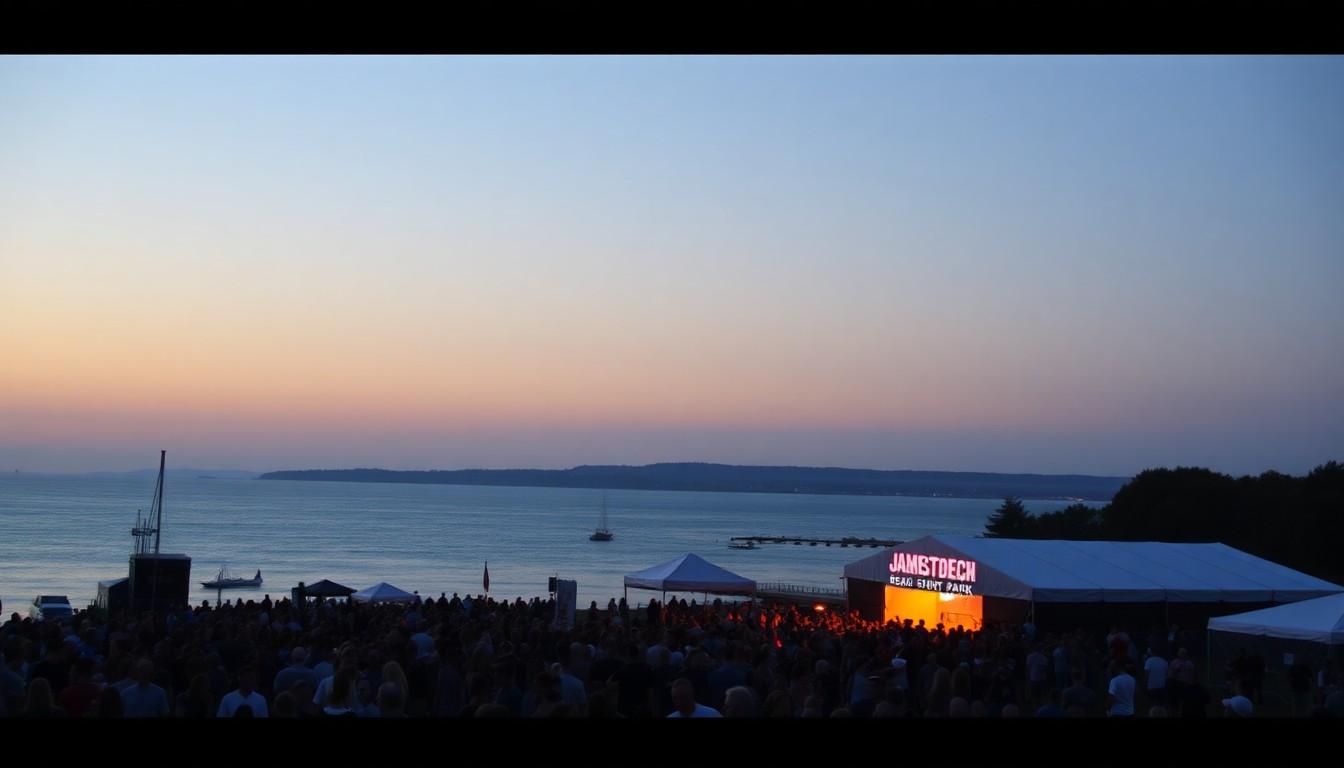
Shoppers, neighbours and families turned out in force as civic groups and faith leaders launched the first-ever Williamsburg-Area Pride festival, proving a small town can host a big, joyful celebration that matters for locals and LGBTQ+ residents who’d otherwise travel for Pride.
Essential Takeaways
- Big turnout: The inaugural festival drew about 1,500 people, well beyond organisers’ expectations, and felt lively and welcoming.
- Unlikely partners: Local faith communities played a central planning role, supplying volunteers, booths and moral support.
- Family-friendly: More than 35 vendors, craft spaces for children, face painting and food trucks made the event accessible to all ages.
- Local impact: The festival kept Pride in the community, reducing the need for residents to travel to larger cities for celebrations.
- Follow-up: A multifaith Pride service the next day broadened the event’s spiritual and healing dimensions.
Why this first Williamsburg-Area Pride mattered
Jamestown Beach Event Park was transformed into a bright, bustling scene on the day, and attendees described the atmosphere as warm and joyful rather than fraught or tense. According to organisers, around 1,500 people showed up, a sign that the community was ready for a bigger local Pride than previous, smaller events. For many locals, the sensory memory will be of colour, music and the steady hum of families enjoying stalls and food trucks.
The push to create a festival came because there wasn’t a major Pride celebration locally this year, so Virginia Organizing convened a meeting in June to see if a local effort could be built. The result was an inclusive plan that leaned on existing networks rather than starting from scratch, which helped the event come to life quickly and with broad support.
How faith groups became central planners
What surprised many was how heavily faith communities were involved, from clergy to lay volunteers, turning heads in a town where you might not expect multifaith clergy to spearhead Pride planning. Organisers met regularly at a local Baptist church and representatives from Historic Area Religions Together (HART) joined the core team, offering a steady, reassuring presence and practical help.
This collaboration didn’t happen by accident. HART was formed in the wake of Charlottesville to build multifaith resistance to bigotry, and its mission of solidarity translated smoothly into Pride organising. The participation of synagogues, churches and other faith groups gave the festival an added layer of meaning for attendees who value spiritual support alongside celebration.
What people did and why it felt inclusive
Visitors found more than three dozen vendor stalls, live music from a DJ, a craft grove for kids to dress up and make art, face painting and the comforting sight of local groups like Free Mom Hugs. Food trucks kept people on site, and an evening after-party at a nearby brewery extended the sense of community into the night.
Those practical touches made the festival feel intentionally family-friendly and accessible. For neighbours who previously had to travel to Richmond, Hampton or Virginia Beach for Pride, staying local was an emotional relief , people could celebrate without leaving the town they love.
The community reaction and the healing element
Many attendees, including those who no longer practise religion, said it was deeply moving to see clergy and faith groups present and supportive. Local officials expressed pleasure that James City County hosted the event, and clergy described a “pride and accomplishment” in creating a safe space for self-expression.
The festival was followed by a multifaith Pride service that brought together Jewish, Buddhist, Christian and other faith leaders, which underscored the event’s emphasis on healing and inclusion. For some, that spiritual element was as important as the parade-style festivities , a quiet reminder that celebration and affirmation can coexist.
What this means going forward
Organisers have signalled this won’t be a one-off. With monthly planning meetings and a coalition of civic and faith groups now experienced at running a larger festival, Williamsburg has the framework to repeat and grow the event. That could mean more local performers, broader vendor diversity and an even stronger message that Pride belongs in smaller communities.
If you’re thinking of starting something similar, simple steps help: connect with established civic groups, invite multifaith partners early, design family-friendly programming and plan logistics around accessibility. Small towns can host meaningful Pride events if they lean on relationships and keep the focus on community.
It's a small change that can make every celebration more local, safer and more joyful.
Source Reference Map
Story idea inspired by: [1]
Sources by paragraph: