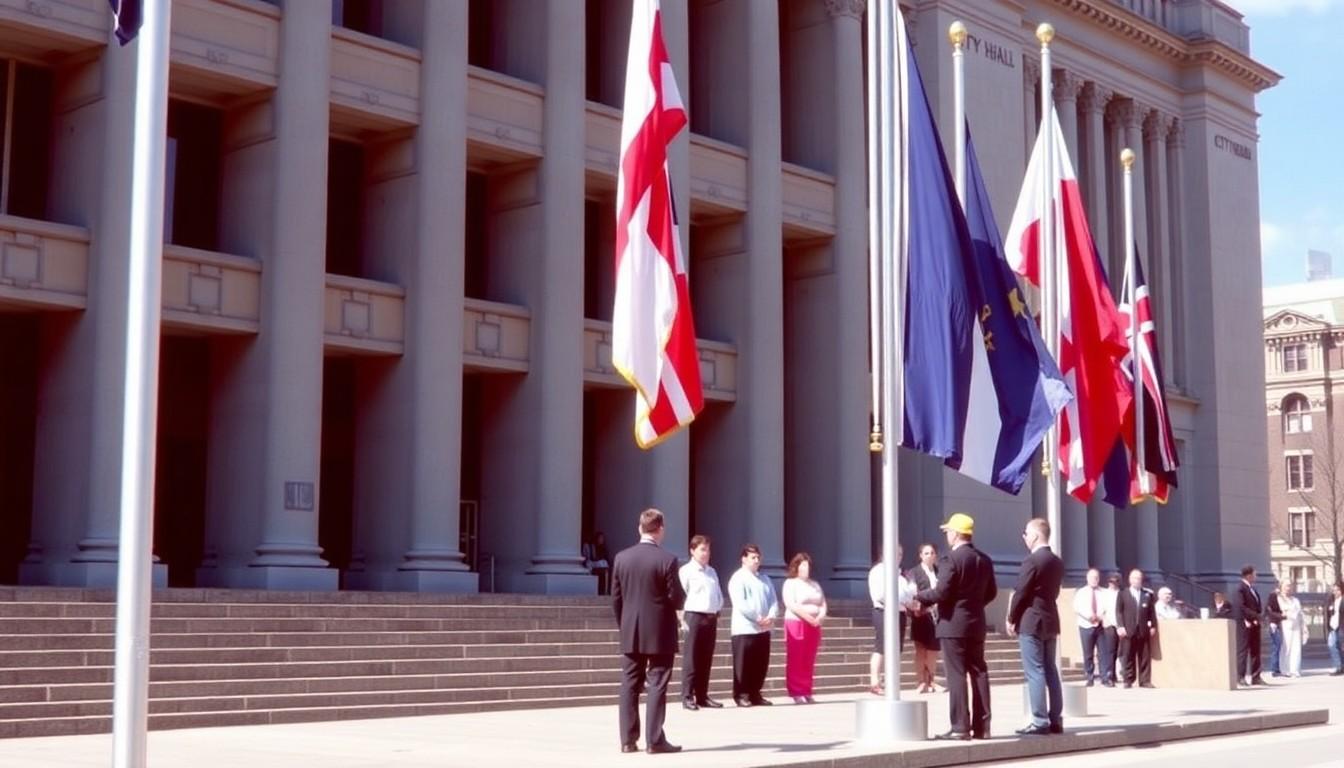
Shoppers and residents are turning out as Victoria kicks off Pride Month with colourful flag raisings, community events and calls to keep support beyond July , here's what to look for, why it matters, and simple ways to show up for 2SLGBTQIA+ neighbours.
Essential Takeaways
- Flag display: Victoria City Hall now shows 10 colourful flags, symbolising visible municipal support and inclusion.
- Ceremony leaders: Mayor Marianne Alto and Victoria Pride Society president Nick Luney publicly raised the Pride flag, underscoring civic backing.
- Events to watch: Highlights include the Victoria Pride Parade and Festival on July 12, the Big Gay Dog Walk, and Pride in the Word literary programming.
- Simple actions: Residents are encouraged to display flags, share pronouns if comfortable, support queer businesses, and speak up against discrimination.
- Ongoing message: Organisers stress Pride is resistance and community care , celebration paired with continued advocacy for safety and equity.
A colourful start: flags up and a city on display
Victoria kicked off Pride Month with a bright, public signal , ten flags flying from City Hall , and a flag‑raising led by Mayor Marianne Alto and Victoria Pride Society president Nick Luney. The scene was intentionally visual: colourful fabric against the summer sky, a small rush of applause, an unmistakable feeling of welcome. According to the city, the flags will stay up until July 13, and the Progress Pride flag will travel on the city’s parade float the following day.
That kind of municipal visibility matters. Flags are an immediate, low‑friction way for institutions to say who belongs here and who they will defend. If you’re passing the building, you’ll see the flags; if you’re queer, it’s a quiet affirmation. For anyone organising or attending events, a glance at the civic flag poles gives a quick sense of a community that’s deliberate about inclusion.
Leaders framed it as both celebration and work
Mayor Alto’s remarks at the ceremony mixed gratitude with a sober reminder: the gains of recent decades didn’t happen by accident, and discrimination still exists. Luney echoed that view, describing Pride as rooted in resistance and ongoing care, especially for people whose identities overlap with indigeneity, race or disability. Their words turned ceremony into context , Pride is joy, but also protection and policy.
Public statements like these set tone. When civic leaders acknowledge past harms and current gaps, it gives local groups language for advocacy and lets residents know the municipality sees equity as part of its remit. If you want to follow up, look for council motions or community consultations that translate words into lasting change.
What to expect at Pride events: from parades to quieter gatherings
Victoria’s calendar is refreshingly varied. The big day is the Victoria Pride Parade and Festival on July 12, where the city’s float will showcase the Progress Pride flag. Expect family‑friendly energy, colourful costumes, and community groups lining the route. On Canada Day there’s the Memorial Drag Ball Game, an event that grew from grief and remembrance for those lost to HIV/AIDS and now blends ceremony with cheer. Literary fans should pencil in Pride in the Word, billed as a national‑scale LGBTQIA+ literary event, while dogs and owners can join the Big Gay Dog Walk.
Events like these balance spectacle with intimacy , a loud, joyous parade and quieter spaces for storytelling and remembrance. If you’re going, plan for sun cream, water and a meetup spot if you’re bringing friends. For accessibility needs, check organisers’ pages in advance; many events now list sensory‑friendly or wheelchair‑accessible options.
How to show support that actually helps
You don’t need a parade float to be supportive. Luney asked residents to fly flags year‑round, share pronouns if they’re comfortable, call out discrimination, and spend at queer‑owned businesses. Those actions are simple but meaningful: a flag on your house or business signals safety, pronouns normalise inclusion, and economic support helps sustain community organisations.
If you want more impact, volunteer with local groups, donate to services that help vulnerable 2SLGBTQIA+ people, or turn up to council meetings to back policies that protect rights. Small, consistent acts , a badge on a lanyard, a pronoun line in an email signature, a regular donation , add up.
The look ahead: Pride as habit, not a date on the calendar
Organisers and civic leaders are pushing the message that Pride should be more than a fortnight of flags and parties. The push now is to fold visibility and support into ordinary life so that inclusion feels like standard practice. That shift takes time, but you can help by making Pride practices habitual: learning local resources, mentoring queer youth, and using civic channels to encourage concrete protections.
This year’s programming suggests a healthy mix of celebration, remembrance and art , and a clear ask from organisers to treat Pride as ongoing work. That’s both hopeful and practical: joy sustains movements, and consistent support keeps people safe.
It's a small change that can make every day feel more welcoming.
Source Reference Map
Story idea inspired by: [1]
Sources by paragraph: