Notice how Pride flags bloom across cities in June, but many queer young people still struggle to find accurate sexual and reproductive health information; this matters because visibility without institutional infrastructure leaves them isolated when they need care most.
Essential Takeaways
- Visibility ≠ support: Pride flags and marketing can mask a lack of real services, leaving young people without trustworthy care.
- Education gap: Classrooms and schools often skip comprehensive sexuality education, making queer-specific needs invisible.
- Healthcare barriers: Clinics can feel like sites of judgement rather than help; contraception access is patchy and stigmatised.
- Online risks: Social media algorithms and content moderation distort or hide sexual-health information, increasing misinformation.
- Practical allies: NGOs, campus initiatives and specialist helplines offer vital, immediate resources and should be better funded and publicised.
Pride is colourful , but what happens when the confetti settles?
You can spot rainbows on shopfronts and LinkedIn logos during June, and there’s a glow of celebration that feels good to see. But that gloss can obscure the fact that when queer young adults need non‑judgemental, medically accurate help, the structures to provide it often don’t exist. According to advocacy groups working on sexual and reproductive health, public visibility has raced ahead of institutional change, which leaves a dangerous mismatch between cultural acceptance and practical support.
That’s why critics argue Pride needs to be more than symbolic. Celebrations and corporate gestures are fine, but when they substitute for trained schoolteachers, sensitised clinicians, or stocked campus clinics, young people pay the price. The real test is whether months after the parades, young people can find contraception, informed counselling, and reliable information without shame.
Why schools still teach silence instead of sexual health
Many students’ first formal encounter with sex education is a rushed chapter in secondary school, taught with embarrassment or skipped entirely. This isn’t just awkward for teenagers; it actively erases the language queer young people need to describe their bodies and relationships. When curricula omit non‑heterosexual relationships or diverse gender identities, students learn that their questions are taboo.
Campaigners and educators have been pushing for comprehensive sexuality education for years, noting it improves health outcomes and reduces stigma. Practical step: schools should adopt inclusive, age‑appropriate CSE that covers consent, contraception, STI prevention, and gender diversity , and train teachers so lessons aren’t reduced to cringe‑worthy warnings about “no questions”.
Campuses can help , if they’re resourced and visible
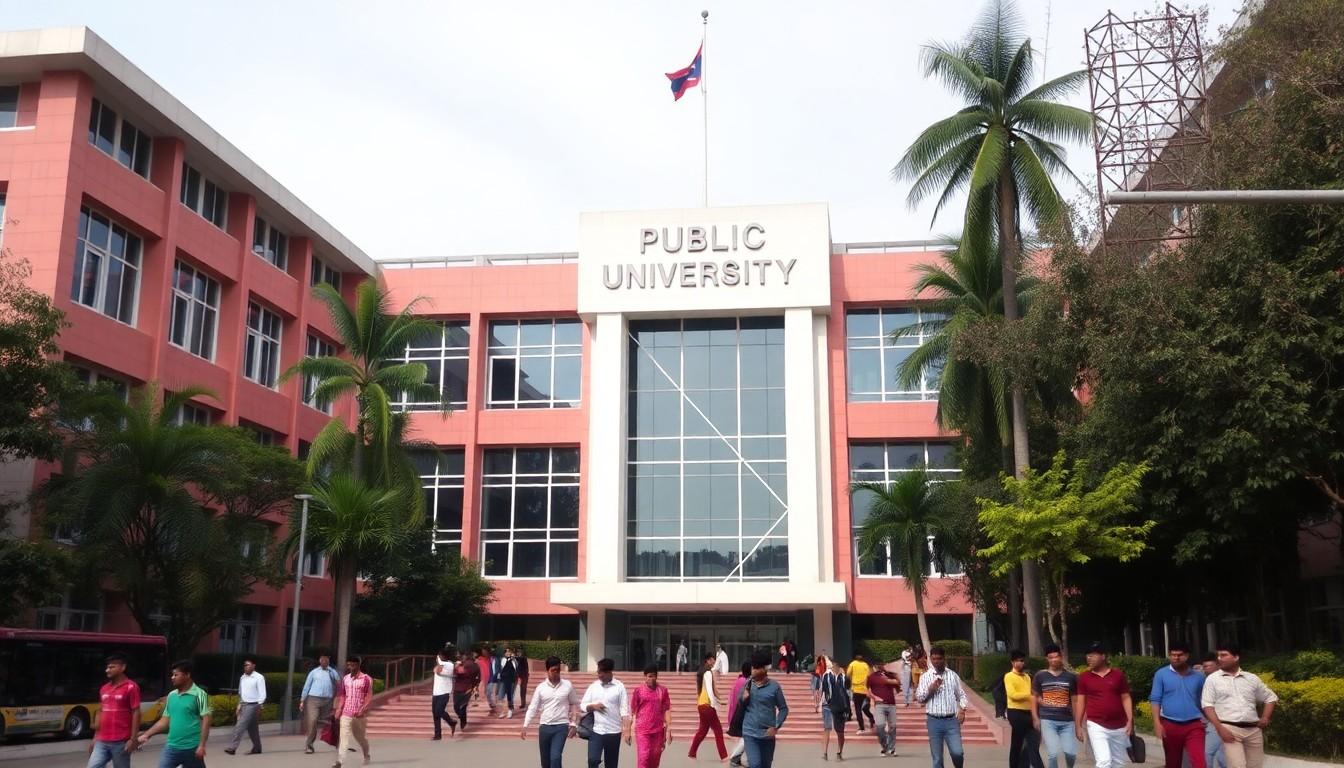
Universities have a real opportunity to make a difference because they host conversations, cultures and health needs in one place. Yet many student health centres aren’t publicly promoted, contraception may be hard to obtain, and stigma still colours encounters with practitioners. For queer students, disclosing intimate details can feel risky, turning clinics into spaces of surveillance rather than care.
Universities that succeed tend to couple visible cultural support with practical services: confidential counselling, accessible contraception, and staff trained in LGBTQ+ health. If you’re a student, ask your union or welfare office where services are located , and push for clearer signposting if nothing’s on offer.
Healthcare still asks the “moral” questions , and that drives people away
Accessing formal healthcare in many places means facing cost, judgment and invasive questioning. Providers sometimes treat consultations as moral interviews, asking about marital status or relationship details irrelevant to care. That atmosphere disproportionately harms queer patients, who may avoid seeking help rather than risk prejudice.
The fix requires policy and training: medical curricula and continuing education should include LGBTQ+ health and trauma‑informed practice, while clinics should commit to confidentiality and non‑judgemental intake processes. In the meantime, community clinics and NGOs often provide safer, affirming spaces for queer care.
When the internet fills the gap, misinformation rushes in
In the absence of reliable institutions, young people increasingly turn to the internet , but social media algorithms favour engagement over accuracy. Content moderation choices and advertiser policies can suppress sexual health content, while AI‑generated or sensational material spreads fast. The result is a noisy, sometimes hostile information environment.
So what can individuals do? Look for resources from reputable NGOs and community organisations, check for citations or medical backing, and prefer specialist hotlines or local sexual health clinics over anonymous social posts. Advocacy groups and sexual health charities remain essential stopgaps while institutions catch up.
Where practical help is already working
There are organisations and initiatives filling the gaps: community NGOs, helplines and specialist centres that offer inclusive sexual and reproductive health services, counselling, and education. These groups often provide online resources, workshops for schools, and training for health professionals , small but meaningful steps toward institutional accountability.
If you want to help, donate time or money to local sexual health charities, encourage your school or university to partner with NGOs, and ask employers to back more than token Pride gestures by supporting staff training and workplace policies.
It's a small change that can make every pride display mean something more than a colour scheme.
Source Reference Map
Story idea inspired by: [1]
Sources by paragraph: