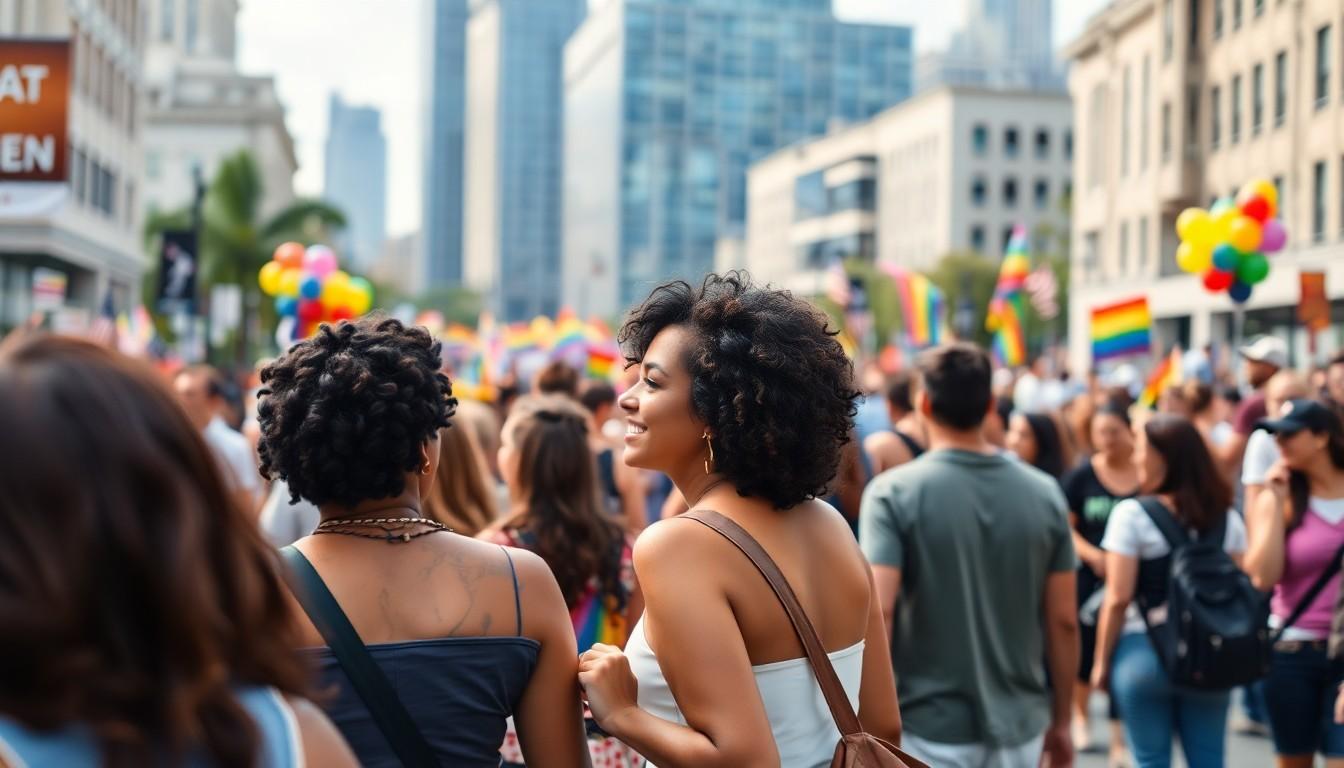
Shoppers, marchers and festival-goers are craving more than rainbows , they're looking for real visibility. Across smaller cities and big metros alike, BIPOC and bisexual attendees notice when Pride stops at surface-level inclusion; it's the deeper moments of recognition that make the day feel like home.
Essential Takeaways
- Shared recognition: Spotting another BIPOC person at Pride can spark an immediate warmth and quiet relief, signalling you belong.
- Bisexual visibility matters: Bisexual flags, merch and thoughtful representation give relief from erasure and stereotypes.
- Inclusion vs tokenism: Being visible isn't enough; BIPOC LGBTQ+ people want to be centred, protected and counted in planning.
- Events that centre community: Dedicated BIPOC or Black Pride events create safer, culturally resonant spaces with a different energy.
- Practical steps: Event organisers can improve access, programming and vendor diversity to make Pride feel genuinely inclusive.
Why a nod from a stranger can change your whole day
There’s nothing melodramatic about recognising someone who looks like you in a crowd , it's a tiny, warm confirmation that you aren’t alone. Brooke Lindley writes about that precise moment: a quiet exhale, a softening, the sense of "There you are." That feeling is sensory and emotional; it’s relief, curiosity and safety bundled together. For many attendees, those exchanges are more meaningful than the headline acts or the loudest floats.
Historically, Pride grew from radical grassroots organising led by people of colour, yet mainstream Pride festivals don’t always reflect that lineage. Coverage from outlets like LGBTQ Nation and them.us has long noted that not everyone feels welcome at Pride, and that echoes in conversations about who gets centre stage and who ends up as a photo op. Event-goers say the difference between token representation and genuine inclusion is obvious in the way programming is decided and who leads it.
If you're at a Pride and want to stay mindful, look for vendors and panels representing local BIPOC and bisexual organisations and make space for quieter gatherings where smaller communities connect. For many, a single warm smile from someone who shares your background can be the moment Pride becomes your day too.
Bisexual visibility: small symbols, big impact
Seeing pink, purple and blue on a sticker or a bracelet still lands after decades of being out. Symbols matter because bisexuality has been routinely erased or simplified, so visible cues restore a sense that your identity is real and valued. Lindley highlights how even gentle markers , a flag on a stall, a bisexual-coloured T‑shirt , can soften a day spent scanning crowds.
This is not niche: artists, filmmakers and publishers increasingly include complex bisexual characters, and those cultural shifts make festival stalls and programming more meaningful. When curators treat bisexual identity with nuance, attendees feel affirmed rather than explained away. For organisers, that means inviting bisexual creators to speak, selling diverse merch and avoiding reductive panel line-ups.
If you want to show support, buy from bisexual vendors, amplify their work on social media and choose Pride events where bisexual programming is more than a token panel once a year.
When Pride centres BIPOC communities, the vibe shifts
Dedicated BIPOC Prides and Black Pride events have a different tempo , they often prioritise safety, cultural specificity and community-led joy. Events like Seachella in Seattle or long-running local BIPOC Prides bring music, food and activism that resonate with shared histories and lived experience. Coverage of these gatherings shows they aren’t simply add-ons; they’re essential counterpoints to mainstream celebrations.
Organisers who centre BIPOC people tend to make practical accessibility choices: multilingual outreach, safer-space protocols, and vendor rosters that reflect local diversity. That matters because for many queer people of colour, navigating public spaces requires constant calculation about what to reveal and when to hold back.
If you're choosing where to go, try a BIPOC-focused Pride or look for festivals that list organisers, safety plans and vendor diversity up front. You’ll likely find a quieter, deeper sense of belonging.
From token panels to structural change: what organisers can do
Seeing someone on stage once a year isn't the same as being part of the heartbeat of an organisation. Real inclusion means representation in leadership, in budgeting decisions and in safety planning. Reports and community voices show that tokenism breeds cynicism: a diversity photo or a single panel on race won’t fix deep exclusion.
Practical steps are straightforward: recruit BIPOC and bisexual leaders onto planning committees, fund outreach to communities who’ve been excluded, and build programming that reflects intersectional experiences. It's also worth auditing vendor lists, accessibility features and child‑friendly options so Pride is welcoming for families and elders as well.
For attendees, voting with your feet and your wallet sends a message. For organisers, treating marginalised communities as partners rather than boxes on a checklist will change the tone of Pride for years.
Why quiet moments matter as much as the parade
Not every transformative moment at Pride is loud. Sometimes it’s a nod across a lawn, a vendor table with the colours that make you feel seen, or a conversation with someone who understands two or three parts of you all at once. Those exchanges are the backbone of community building and often shape how people remember Pride.
Media and community reporting, from local Pride websites to features on the importance of inclusive spaces, suggest that amplifying these quieter experiences makes Pride richer for everyone. That doesn’t mean ditching big stages or headline acts, but balancing spectacle with pockets of intimacy where people can meet, rest and be fully themselves.
If you’re attending, carve time for a slower walk, browse smaller stalls, and seek out gatherings that advertise safer-space policies. You might find the moment you were looking for.
It's a small change that can make every Pride moment feel more like home.
Source Reference Map
Story idea inspired by: [1]
Sources by paragraph: