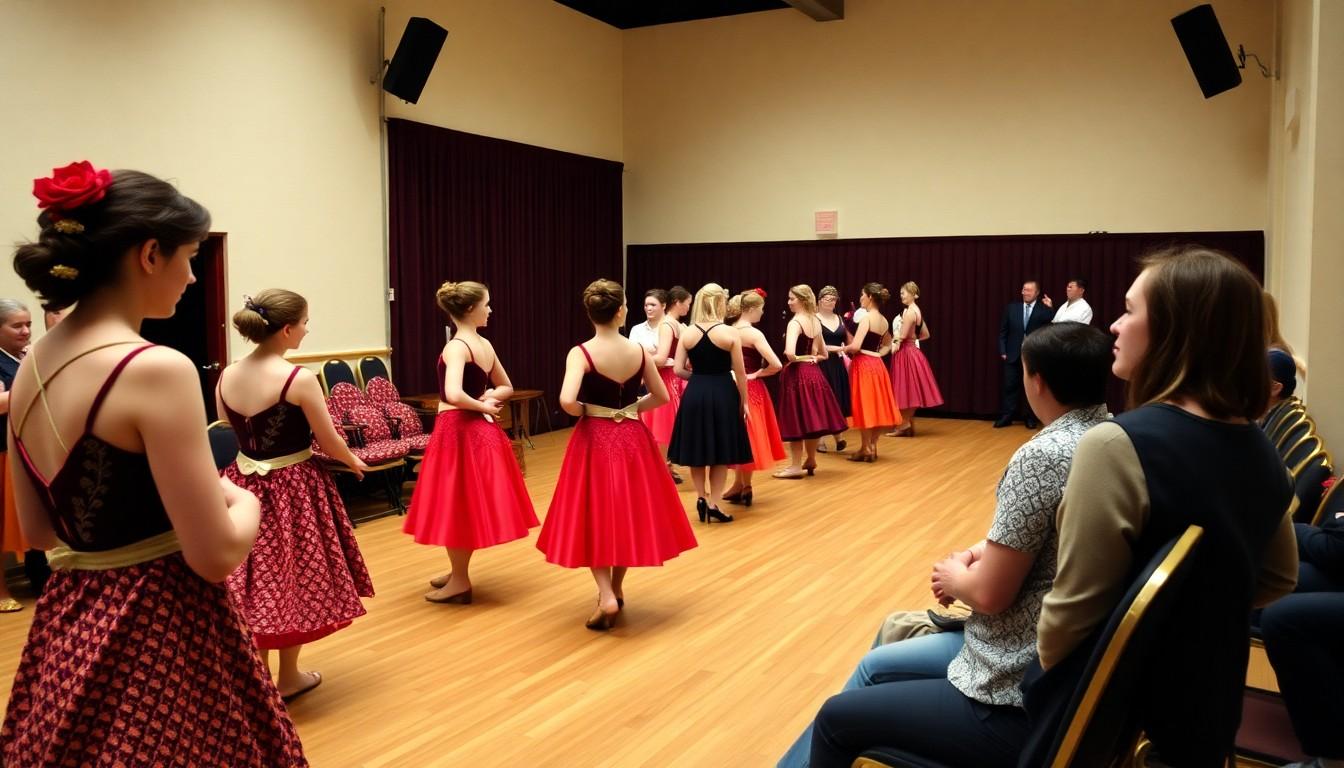
Shoppers of headlines have noticed a fresh culture-war flare-up: two Republican members of Congress urged Irish dance bodies to bar a trans teen from the North American championships, arguing a “biological” advantage. The dispute matters because it mixes US politics, sport rules and trans rights ahead of a July competition in Orlando.
Essential Takeaways
- Who’s involved: Two Florida Republicans, Reps. Randy Fine and Greg Steube, wrote to An Coimisiún Le Rincí Gaelacha and the Irish Dance Teachers’ Association of North America asking that a trans teen be excluded from girls’ divisions.
- The argument: The lawmakers claim trans women have a “biological” advantage, but they cite no scientific study specific to Irish dance or to this dancer’s performance.
- Legal pressure: Florida’s attorney general also threatened possible legal action, invoking Title IX and state consumer-protection law language about “false advertising.”
- Scientific context: Recent reviews and studies suggest the question of athletic advantage is complex, with some evidence that trans and cis women can have comparable strength and cardiovascular measures after transition.
- Why it matters: This isn’t just about one competition , it’s part of a wider pattern of challenges aimed at reversing inclusive participation policies across sports and cultural contests.
Why two US politicians wrote to an Irish dance body , and what they’re asking
It sounds almost improbable: two members of Congress contacting a Dublin-based dance governing body about who can enter a US-based championship. The short version is that Reps. Randy Fine and Greg Steube sent a letter insisting organisers reserve female categories for “biological” females, citing Florida law and fairness concerns. Their move follows a string of similar political interventions around school sports and pageants, so it’s not happening in a vacuum. Some supporters say they’re defending fairness; critics see a targeted attack on a trans teen’s right to compete. The dispute spotlights how local cultural events can become battlegrounds for national politics.
The science isn’t clear-cut , and Irish dance isn’t the same as athletics
There’s a key point often missed in public rows like this: Irish dance is a judged, technical art as much as it is athletic endeavour. Studies cited in broader debates about trans participation show mixed results , a recent systematic review in a major sports medicine journal found comparable strength and cardiovascular metrics between trans and cis women in many datasets, and other work points to disadvantages in areas such as bone density and lung function. That complexity matters because what constitutes an “advantage” in sprinting or weightlifting isn’t identical to what matters in judged dance: technique, training, timing and artistry weigh heavily. Organisers and athletes alike will want assessments that fit the sport rather than blanket assertions.
Legal pressure and rhetorical tactics being used
Florida’s attorney general has weighed in, invoking Title IX language and state consumer-protection statutes to argue the dance organisations could be misrepresenting women’s categories. Those are aggressive legal angles , Title IX is a federal education statute, and using a deceptive-practices angle is a novel approach applied elsewhere, like in pageant disputes. Expect lawyers and advocacy groups to parse those claims carefully. Legal threats can chill organisers, even when the factual basis is murky, and they’re part of a broader strategy that has previously targeted schools, sports leagues and cultural institutions that adopt inclusive policies.
Voices, motives and the wider pattern
Both Fine and Steube have long records of campaigning against LGBTQ+ rights, from bills on school sports to rhetoric about drag and Pride displays. That background frames this letter as consistent with earlier interventions rather than an isolated concern. Supporters of the trans dancer say the incident is another attempt to single out trans kids and limit their participation in community life. Meanwhile, conservative groups have urged dance associations to adopt bans for years, so organisers are familiar with the pressure. How the Irish bodies respond will matter for future contests and may set a tone for other cultural events with judged categories.
Practical takeaways for organisers, parents and competitors
If you’re an organiser: clarify your eligibility rules now, document policies and ensure they’re legally reviewed , vagueness makes you vulnerable to complaint. If you’re a parent or coach: focus on training, documentation of eligibility and open lines with event officials. If you’re a competitor: keep the emphasis on performance , technical skill and composure still win medals, and public controversies rarely change the judges’ sheets. And for anyone watching from afar, remember the human detail here: this is about a young dancer who loves her craft. Public arguments about policy can overshadow the people they affect, so keeping perspective helps.
It’s a small change in policy or a big legal showdown , whichever way it goes, the outcome will ripple through similar competitions and conversations about inclusion.
Source Reference Map
Story idea inspired by: [1]
Sources by paragraph: