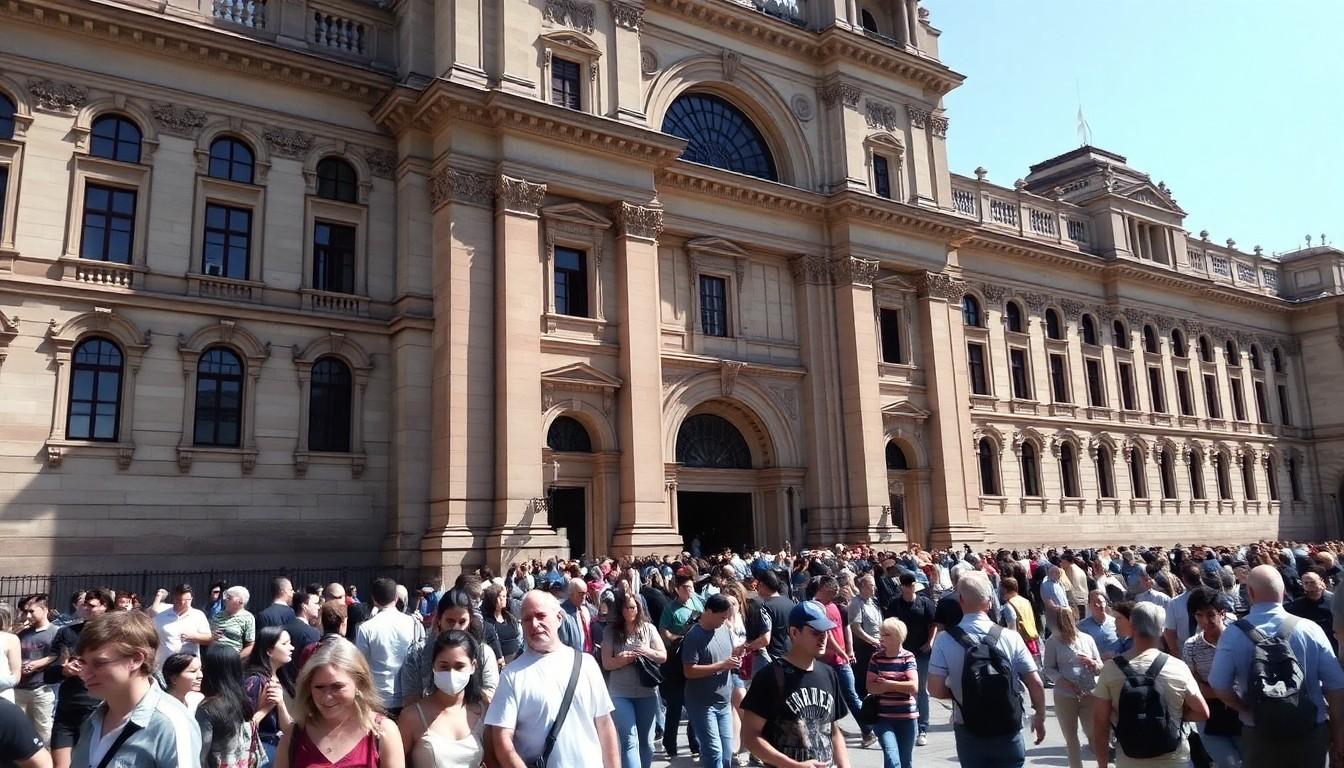
Shouting, singing and remembering: more than 100,000 people flooded Santiago’s Alameda on 27 June for the 26th Pride March, a colourful celebration that doubled as a protest against President José Antonio Kast’s early moves , and a clear reminder that Chile’s LGBTQ rights remain hard-won and closely watched.
Essential Takeaways
- Mass turnout: An estimated 100,000+ people marched along the Alameda, making this one of Chile’s largest LGBTQ demonstrations.
- Political message: Organisers framed the march as both celebration and protest, expressing concern about the new administration’s stance on rights and international declarations.
- Generational sightlines: LGBTQ seniors led parts of the parade, offering a poignant link to past persecution and progress.
- Policy focus: Groups demanded reform of the Zamudio Law, penalties for hate speech, and stronger protections in schools, healthcare and workplaces.
- Mixed signals: The government’s abstention on an OAS LGBTQ declaration and education circular changes fuelled fears, while a Comptroller ruling and a Senate leader’s pledge offered partial reassurance.
A huge crowd, loud and deliberate
The numbers were striking: more than 100,000 people packed the capital’s main avenue, a vivid, noisy river of flags, banners and chants. The sight of older marchers from Años Rosados at the front added a texture of history , you could almost feel the generations lining up, shoulder to shoulder. Organisers Movilh and Fundación Iguales made clear this was not only party atmosphere but also protest, and the emotional pitch reflected that duality.
This year’s march followed speeches at Plaza Baquedano and moved with choreography familiar to Chile’s activism scene. According to participants, the event felt both celebratory and urgent, as many carried placards demanding concrete policy change rather than symbolic gestures alone.
Why organisers say the stakes are higher now
Behind the banners were specific grievances: the repeal of protective education circulars, Chile’s abstention on an OAS human rights declaration, and the removal of diversity questions from a national survey. Fundación Iguales’ LGBTQ+ Radar, tracking government moves, reported several unfavourable measures in Kast’s first 100 days , a finding that supplied a data-driven backbone to the protesters’ worries.
Movilh leaders framed the march as an answer to what they see as regression. That mix of lived experience and monitoring work made the demonstration feel rooted in more than emotion , it was a calibrated call for governments, ministers and parliamentarians to show clearer commitment.
The education fight that mattered this month
A flashpoint was the Superintendency of Education’s move to repeal circulars on school coexistence and gender identity. Parents, teachers and activist groups feared the rollback would leave trans and LGBTQ students exposed to harassment. A last-minute ruling by the Comptroller General’s Office upholding Circular 812 , the protection for trans students , gave marchers a reason to cheer, but it didn’t erase the anxiety.
Practically, parents and school leaders now face uncertainty about guidance and training in classrooms. If you’re caring for a trans pupil, keep copies of any existing school policies, stay in contact with local advocacy groups and document incidents , those steps matter if regulations shift again.
What reforming the Zamudio Law would mean in plain terms
The Zamudio Law, Chile’s anti‑discrimination statute from 2012, has long been criticised as limited in scope and enforcement. At the march, campaigners renewed a call for comprehensive reform , clearer penalties for hate speech, swifter redress for victims and better tools for public institutions to prevent discrimination. Even a Senate leader from the governing coalition signalled willingness to push a revision, which suggests there’s room for cross‑bench negotiation.
For everyday people, stronger legislation would mean more practical protections at work, in healthcare and in public services , not just words on a page. Watch for the details: how a law defines hate speech and the remedies it provides will determine whether it actually changes outcomes.
Marches, messaging and what comes next
The Pride March capped off with a cultural event in Plaza Los Héroes, but organisers used that stage to insist vigilance continues. From embassy representatives to victims of discrimination, the lineup made the point that defending rights is both local and international. The movement isn’t simply opposing one government; it’s trying to guard the legal framework Chile built in recent years , civil unions, gender identity law and marriage equality , from being chipped away.
Expect monitoring projects like Fundación Iguales’ Radar to remain central. If you care about these issues from afar, international pressure and diplomatic consistency can matter; if you’re in Chile, joining local groups or attending municipal meetings gives you a practical voice.
It's a small change that can make every right feel safer.
Source Reference Map
Story idea inspired by: [1]
Sources by paragraph: