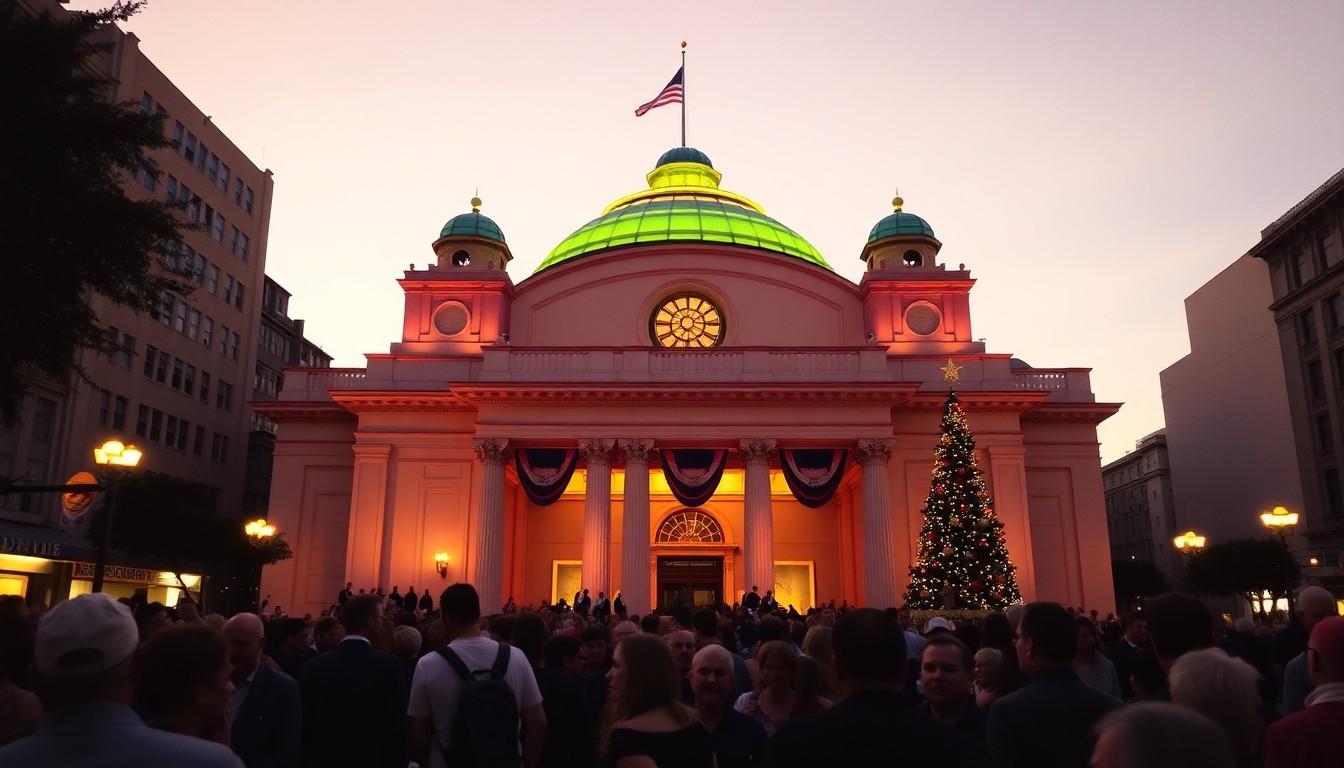
Shoppers are turning out for culture that feels alive , and San Francisco Opera’s 2026 Pride Concert delivered exactly that: a vivid, musically adventurous evening where costumes glittered, voices soared, and political urgency threaded the programme, reminding audiences why live queer celebration still matters.
Essential Takeaways
- Bold programming: The concert mixed opera arias, contemporary songs, and orchestral curiosities for a surprising, cohesive evening.
- Standout performances: Reginald Smith Jr., Melody Moore and Nikola Printz delivered emotionally direct, technically assured singing.
- Theatre and spectacle: Drag emcee Sapphira Cristál and luxe costumes added nightclub glamour and playful theatricality.
- Orchestral agility: Robert Mollicone led the SF Opera Orchestra through styles from late-MTT orchestral colour to big-band swing.
- Community urgency: Organisers and performers framed the event as celebration and protest, timely amid attacks on LGBTQIA+ rights.
A riot of sound and colour opened the night
The concert began with a flourish that felt mischievous and alive, the orchestra summoning slide whistle and cowbell for a rollicking reading of Michael Tilson Thomas’ Agnegram. It was a deliciously unexpected opener, the sort of musical wink that set the tone: playful, smart and slightly brassy. Conductor Robert Mollicone steered the ensemble with snap and nuance, giving the room a sensory jolt that matched the visual parade onstage.
Backstory matters here , MTT was a seminal figure in Bay Area musical life and openly gay leadership in classical music still carries cultural heft. Framing the piece this way reminded the audience there’s history under the sequins, and it made the concert feel both celebratory and rooted.
Voices that could command both opera house and club
What made the evening genuinely engaging was the way principal singers shifted gears. Nikola Printz brought verismo intensity to Gounod’s Sapho, her costume morphing into wings and a collapsing spiral to dramatise the aria’s emotional stakes. Melody Moore then surprised with a smouldering, amplified cover of Brandi Carlile’s “It’s a Joke,” growing from simmer to defiant roar; it felt intimate and anthem-sized at once.
Reginald Smith Jr. offered a generous, expressive baritone across genres, from spiritual heft to nightclub glamour. Hearing these singers unmiked for operatic moments and miked for pop-leaning numbers emphasised their versatility and reminded you why live vocals still thrill in a way recordings can’t.
Drag, theatre and a crackling emcee thread the show together
Sapphira Cristál served as both comic ringmaster and emotional touchstone, cycling through flamboyant costumes while keeping the evening moving. Her presence brought a variety-show energy and a queer-social perspective, blending camp and sincerity. Sometimes her lines landed like conversation at a noisy party; other times she cut through with sharp, affectionate commentary about the city and community.
That theatricality mattered: it turned a sequence of disparate numbers into a coherent experience, a show-within-a-show where costume reveals and aside remarks amplified the music’s emotional beats.
Programming that mixes reverence with risk
Curator Gregory Henkel stitched together a programme that ranged widely , Offenbach duets played as gender-fluid banter, Michael Abel and Terence Blanchard songs offered contemporary operatic viewpoints, and familiar pop repertoire was rearranged with fresh textures. The orchestra’s ability to pivot from opera ensemble to a bouncy big-band feel made these transitions convincing rather than gimmicky.
This kind of programming tells you something about the company’s ambitions: it wants to embrace both core operatic craft and a wider, more inclusive musical vocabulary. For audiences, that means evenings that surprise rather than reassure.
Why the concert felt urgent as well as joyous
Speeches from the stage and the programme’s content reminded attendees that Pride is not merely a party but a political statement , particularly timely in a moment when LGBTQIA+ rights face renewed challenges. That undercurrent of urgency sharpened the emotional payoff of songs about identity, longing and defiance.
In practical terms, if you’re choosing to attend similar concerts, look for events that mix spoken context and diverse repertoire; it’s the balance of spectacle and substance that leaves you feeling seen and stirred.
It's a small change that can make every performance feel both celebratory and consequential.
Source Reference Map
Story idea inspired by: [1]
Sources by paragraph: