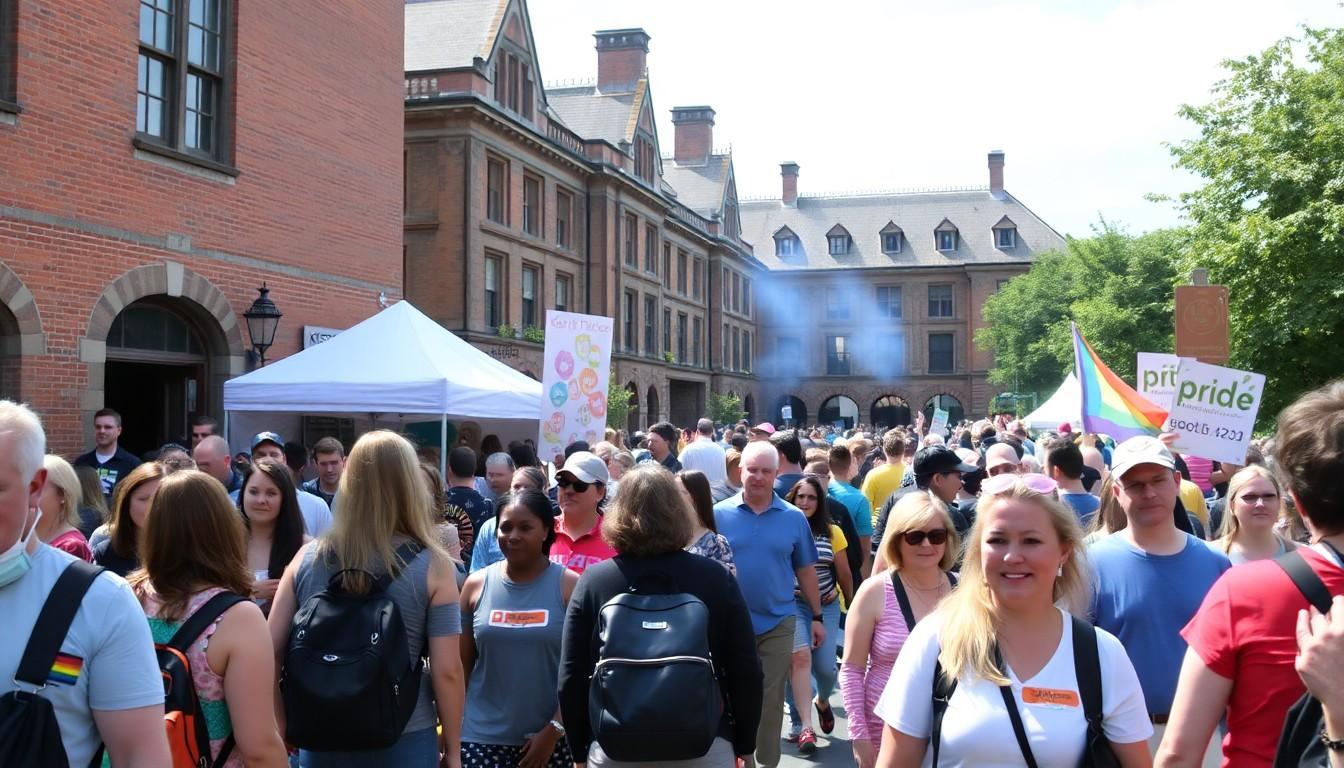
Shoppers, families and allies are turning out across Kent this summer as Pride events return , organisers say they're still essential because hate crimes and hostile online coverage are rising, and festivals offer visible, joyful protection, education and community for those who still face discrimination.
Essential Takeaways
- Rising incidents: Official figures show sexual orientation and transphobic hate crimes rose markedly across recent years, underlining why visibility still matters.
- Online hostility: Organisers point to an explosion of negative social media and press coverage that amplifies real-world harm.
- Community uplift: Pride events offer celebration and safe spaces, with local markets, live acts and family-friendly programming.
- Education by example: Parades and panels help explain civil-rights history and why equality needs ongoing defence.
- Practical access: Local events in Rochester, Canterbury and other Kent towns make Pride an accessible way to show support and seek help.
Why organisers say Pride isn’t optional any more
Organisers in Kent are blunt: Pride isn’t a nostalgic parade, it’s frontline work with confetti. They point to a clear uptick in hate crimes and harrowing stories of people losing jobs or homes because of who they are, which turns a weekend festival into an act of protection as much as celebration. The scene at a festival, bright banners, families watching, children curious, sends a simple, reassuring signal: you belong here.
That context matters because the progress of the past decade hasn’t been linear. Campaigners and attendees tell us that visibility reduces isolation, and seeing supportive neighbours and local businesses at an event can change minds in a way a statistics page never will. If you’re weighing whether to go, remember it’s as much for people who feel vulnerable as it is for those who want to dance.
Numbers back the worry , and explain the urgency
Government and charity data chart a worrying pattern: sexual orientation-related offences and transphobic incidents climbed in recent years before showing small dips, but the overall trend is up from half a decade ago. Independent organisations have also flagged surges in hateful content online, which fuels street-level hostility and impacts mental health.
So when organisers talk about being “more vital than ever,” they’re echoing public statistics and frontline reports. For readers, that means Pride is not merely ceremonial , it’s a visible, local response to a national problem. If you care about safety in your community, turning up matters.
Social media and press: how headlines have made things worse
Festival leaders reckon online platforms and tabloid coverage have helped normalise hostility. Amnesty and others have documented a rise in abusive speech online, and campaign groups say mainstream outlets have sometimes amplified negative frames about LGBTQ+ people. That creates a feedback loop: hostile headlines lead to angry comments, which harden attitudes offline.
Practical takeaway: when you see a smear or snarky post, counter it with presence. Liking a local Pride page, attending an event, or buying from an LGBTQ+ stall are small, effective ways to push back against the noise.
What local Prides actually do on the ground
Kent’s Pride calendar is deliberately inclusive and practical. Medway Pride, for example, runs a free parade followed by an eight-hour festival with local and national acts, makers’ markets and family-friendly zones. Canterbury and other towns mix education into the fun with historical displays and panels about the rights fought for since the 1960s.
If you’re planning to attend, check accessibility info, pick quieter times if crowds overwhelm you, and look out for safe-space tents or wellbeing teams. Volunteering or sponsoring a stall is another way to offer tangible support beyond emoji reactions.
Why education and history matter at a party
Organisers are keen to weave the history of the movement through festivities so visitors can see Pride as a rights movement, not just a party. Recreating messages from past decades and spotlighting the shift from battles over same-sex marriage to current debates about trans rights helps younger attendees understand why the movement keeps evolving.
That lesson is useful: when activists win protections, vigilance doesn’t stop. Festivals become a living classroom about why laws and social attitudes need constant tending.
It's a small change that can make every celebration safer and more meaningful.
Source Reference Map
Story idea inspired by: [1]
Sources by paragraph: