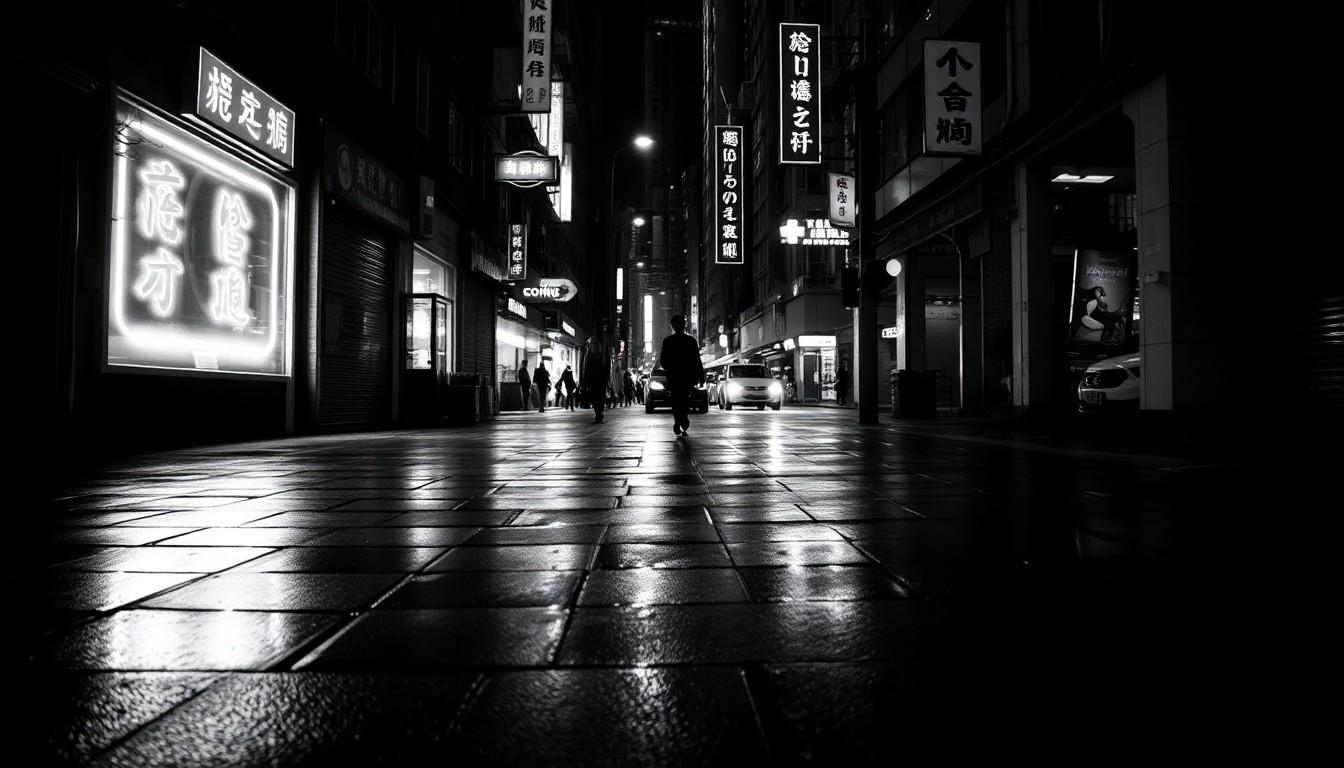
Shoppers of cinema are finding themselves pulled into Queer Panorama, a moody, black-and-white indie that trails a restless young gay man through a string of hookups across Hong Kong , and quietly asks why casual sex so often sits beside profound solitude. It’s a small, intimate portrait that matters because it feels lived-in and visually lush.
Essential Takeaways
- Visual style: Shot in striking black and white, the film looks dreamy and intimate, with a soft, noir-ish feel.
- Structure: The story is episodic , one hookup after another , linked by long, reflective conversations.
- Characters: The men are mostly transplants , Iranian, Thai, British, American and more , giving the film a wandering, international texture.
- Mood: It’s unashamed about sex and toys, but the heart of the film is loneliness and the search for connection.
- Pacing: Beautifully observed but lightly repetitive; the film’s strength is mood over plot.
A hooky premise that’s really about aftercare and silence
The first thing you notice is how the camera lingers , on discarded shirts, on trembling hands, on a man’s face after everyone’s left. According to festival listings, the film premiered in queer-focused circuits and its aesthetic choice, black and white, turns small gestures into something almost ritualistic. It’s not trying to shock so much as to observe; sex scenes are frank but never salacious, and the quieter bits , a cigarette shared, a late-night phone call, a man crying alone , hit harder.
The director seems less interested in plot than in a mood, and that’s a deliberate choice. You leave feeling you’ve sat in on a dozen rooms where people try to stitch themselves together, briefly. The result can feel repetitive, but it also mirrors the relentless loop of dating apps and late-night meetups that so many urban queer people know well.
A city of transplants: how Hong Kong becomes a character
Most of the men our lead meets aren’t local, which gives the film a transient, international hum; you get glimpses of Iranian, Thai, British and American lives colliding in one dense city. That patchwork of backgrounds does more than add colour , it highlights shared themes of dislocation, ambition and grief that cross nationality.
This is where the film feels most interesting: it strips away language and status to find commonalities. Whether someone is a grieving older partner or a bartender doing sex work to survive, the conversations land on similar questions: who are you, where are you going, what do you need? If you’ve ever used apps to meet people in a foreign city, there’s an eerie recognition here.
Characters reinvented: borrowed selves and emotional cosplay
One of the film’s subtler ideas is how the protagonist reinvents himself after each encounter, picking up stories and mannerisms like souvenirs. He borrows pieces of the men he meets to tell a slightly different version of himself to the next person , a neat visual metaphor for how identity can be provisional when you’re constantly in transit.
That behaviour is both understandable and sad. It’s a survival tactic in a world where intimacy is often transactional, but it also keeps genuine connection at arm’s length. For anyone choosing partners via apps, the film offers a clear-eyed mirror: casual sex can soothe, but it rarely fills the deeper interior gaps.
Sex, props and the mechanics of intimacy on screen
If you’re expecting coyness, forget it: the film shows the practical side of hookups , poppers, lingerie, toys , with a matter-of-fact frequency that normalises the scene. Yet these explicit elements sit alongside tender, unscripted moments: post-sex cuddles, awkward silences, conversations that wander into grief and ambition.
This balance is the film’s strength. It doesn’t moralise about casual sex, nor does it glamorise it. Instead it treats those moments as both relief and rehearsal, which makes the quieter emotional payoffs feel earned. Practical tip: if you’re sensitive to explicit content, this isn’t a tame watch, but it's not exploitative either.
Repetition as realism , when mood outweighs narrative
By the final act you’ll either feel soothed by the film’s steady, elegiac rhythm or slightly exhausted by the sameness of its encounters. That repetition is the point: it maps the loop many people fall into when searching for connection in a crowded city. The protagonist’s recurring tears alone are the film’s clearest signal that these encounters aren’t resolving anything.
So, should you see it? If you enjoy character studies, atmospheric cinematography and films that prioritise feeling over plot, yes. If you want tidy arcs and dramatic payoffs, this one will frustrate. Either way, it’s a thoughtful snapshot of modern queer intimacy and the surprising ways people try to keep loneliness at bay.
It’s a small change in perspective that makes each hookup feel like a scene in a larger, quieter story about being human.
Source Reference Map
Story idea inspired by: [1]
Sources by paragraph: