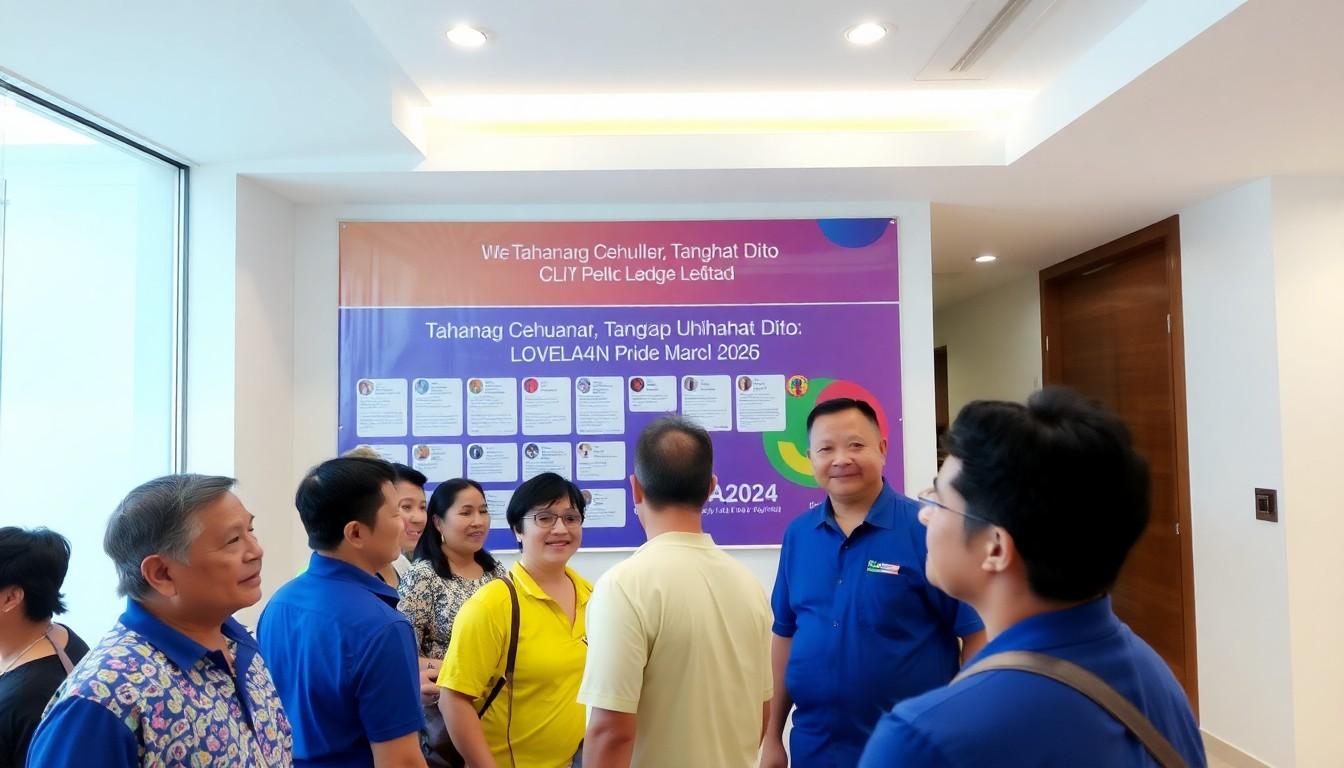
Shoppers and staff are noticing a shift: Cebuana Lhuillier is treating Pride like everyday practice, not a once-a-year PR moment. The company’s “Tahanang Cebuana, Tanggap Lahat Dito” campaign in Pride Month 2026 highlights inclusive policies, employee stories and community action that aim to make the workplace, and the neighbourhoods it serves, safer and more welcoming.
Essential Takeaways
- Everyday inclusion: Cebuana links Pride to ongoing workplace culture, not just a campaign.
- Voices matter: LGBTQIA+ staff share personal stories of feeling safe, respected and heard.
- Allyship in action: Colleagues and leaders model support through listening, empathy and small daily gestures.
- Community reach: Initiatives like pledge walls and free ProtectMax insurance extend inclusion outside the office.
- Long-term view: Company leaders say inclusion is woven into values, not confined to Pride Month.
Why Pride at work is about belonging, not box-ticking
Cebuana’s message starts with a simple sensory image: a workplace that feels like home, quiet, familiar and safe. That emotional framing matters because it shifts the conversation from policy lines to lived experience. According to staff testimonies, the difference shows up in everyday interactions, from meetings where people are invited to speak to managers who make space for honest conversation. For consumers and employees alike, that kind of culture signals a brand that cares beyond transactions.
Backstory helps explain why this approach landed. Organisations are increasingly judged by how they treat marginalised staff, and campaigns that feel authentic tend to stick. That’s why leaders at Cebuana emphasise consistency, making inclusion a daily practice so it becomes part of people’s routine and identity at work, not an annual highlight.
Leadership matters: when executives choose respect over silence
Leaders set the tone, and Cebuana’s executives have been explicit about choosing respect and support over neutrality. When senior figures speak up, it gives permission for others to follow, and it helps embed inclusive behaviours into performance and people-management practices. That cascade matters: junior staff take cues from above, and customers notice it in the way colleagues interact, warmth, attentiveness and a lack of guardedness.
Practical tip: if you’re assessing a prospective employer or partner, listen for how leaders talk about inclusion. Is it framed as a corporate checkbox, or as a lived value that guides everyday choices?
Allyship: small acts that change the day-to-day
One striking thread in Cebuana’s account is the focus on allyship as habit rather than grand gesture. Staff describe simple acts, asking the right pronouns, stepping in to support a colleague in a tough conversation, or amplifying someone’s ideas in a meeting, that make work feel less risky and more human. Those small behaviours add up and create a sturdier sense of psychological safety.
If you want to practise allyship, start with listening and curiosity. Ask, don’t assume; correct mistakes graciously; and use your influence to protect space for others. Those micro-actions are what people remember.
Taking inclusion into communities: events, pledges and protection
Cebuana didn’t stop at internal culture. During Pride Night 2026 the company’s foundations and insurance arm set up a CLFI Pledge Wall and gave away ProtectMax insurance, concrete steps that connect symbolic support to material protection. Showing up at public events like the LOVELAB4N Pride March Festival signals solidarity, and practical measures such as insurance distribution demonstrate an intent to protect and empower beyond words.
For brands considering similar moves, the lesson is clear: pair visibility with tangible benefits. That combination builds credibility and can reach people who need services, not just statements.
What this means for employees and customers going forward
Cebuana frames “Tahanang Cebuana” as an ongoing commitment, and that consistency is what will determine impact. When inclusion is woven into hiring, policies and customer outreach, the effect multiplies: employees stay longer, feel more productive, and customers perceive authenticity. It’s a tidy business case wrapped in human terms, people who feel at home do better work and tend to recommend the organisation to others.
Outlook: expect more companies in the region to follow this playbook, emphasising everyday allyship and community-backed initiatives rather than one-off PR moments.
It's a small change that can make every workplace feel more like home.
Source Reference Map
Story idea inspired by: [1]
Sources by paragraph: