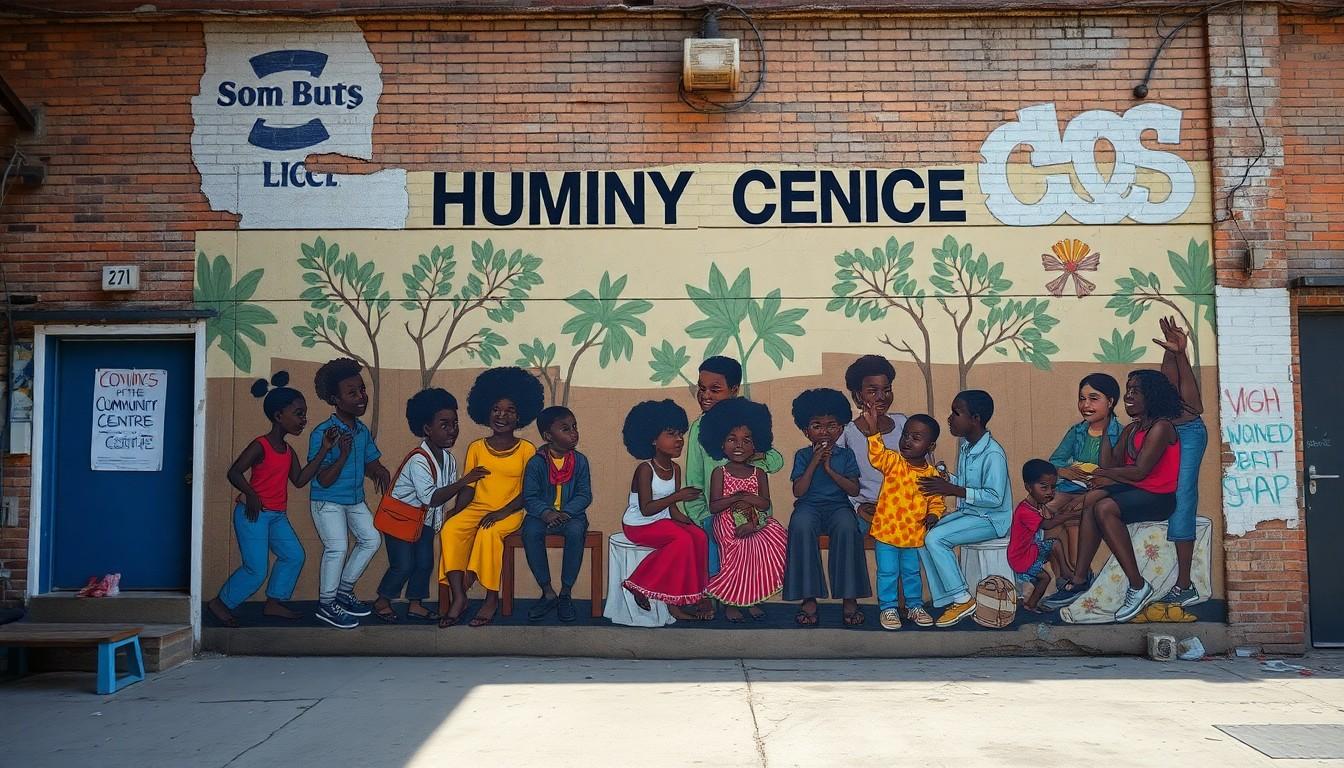
Watching Pride parades bloom each June, many Black LGBTQ people feel seen only in part , celebrated with colour but sidelined in priorities; this matters because visibility without protection leaves lives exposed and urgent needs unmet. Here’s why the calendar month can’t replace sustained, intersectional action.
Essential Takeaways
- Historic erasure: Black LGBTQ leaders like Bayard Rustin and Pauli Murray helped shape civil rights yet were sidelined for their sexuality or gender nuance.
- Faith conflict: Many Black churches remain a barrier to inclusion, creating tension between racial solidarity and queer acceptance.
- Dual discrimination: Large shares of Black LGBTQ youth report homophobia in Black communities and racism in LGBTQ spaces.
- Material gap: Economic and health disparities , notably for Black trans people and during the AIDS crisis , show why survival issues often outrank symbolic wins.
- Intersectional urgency: Scholars and activists warn that single-issue victories leave multiply marginalised people behind; policy and movement work must reflect that.
Pride feels festive , but it also stings for those left out
Pride’s colours and parties are sensory and uplifting, yet many Black LGBTQ people report a sharp disconnect between the celebration and the protections they actually need. According to public polling, large shares of Black Americans hold conservative views on homosexuality and same-sex marriage, a reality that shapes how Pride is received within Black communities. That tension explains why applause in June can feel hollow the rest of the year. If you’re organising or joining Pride, remember visibility is a start , not a solution.
History shows the movement hasn’t always embraced its Black architects
Some of the civil rights movement’s brightest minds were also queer, but their sexualities or gender nonconformity often pushed them to the margins. The sidelining of those leaders wasn’t accidental; it reflected social norms and explicit attacks designed to discredit them. Those histories matter now because they explain why many Black queer people distrust movements that celebrate but don’t protect. When you learn the backstory, you see Pride as part commemoration, part unresolved history.
The Black church: sanctuary and site of exclusion
The Black church has been central to community survival and political mobilisation, yet surveys show it’s also been resistant to LGBTQ inclusion. That creates a painful bind: congregants are called to fight for racial justice but often told to silence their queerness. For Black LGBTQ people, that means choosing between spiritual community and being fully themselves , a choice no one should face. Organisations planning outreach should consider how to bridge faith and inclusion rather than assuming they’re incompatible.
Two-front fight: homophobia at home, racism in queer spaces
Research and advocacy reports make a blunt point: Black LGBTQ youth frequently face homophobia within Black communities and racism within mainstream LGBTQ spaces. That double exclusion drives people to create alternative social scenes , Black queer clubs and events where they can breathe. It also explains why policy priorities differ by community: while some groups emphasise marriage equality, many Black and Latino young people rank HIV care, employment discrimination and violence as immediate concerns.
Material realities reshape movement priorities
You can’t prioritise symbolic legal wins if daily survival is at stake. Statistics show stark economic and health gaps: higher HIV rates, poverty and housing insecurity that disproportionately affect Black trans people, and material advantages that accrue to certain white gay men. Those disparities mean policy must focus on jobs, healthcare access and anti-violence measures as well as civil rights. Activists and funders should match the rhetoric of inclusion with resources targeted to the most vulnerable.
Intersectionality isn’t jargon , it’s a map for better organising
Scholars and activists have long argued that overlapping identities produce unique harms that single-issue fights miss. Ignoring intersectionality fragments movements and leaves whole people behind. The lesson for campaigners is practical: design programmes and advocacy that acknowledge race, gender and class simultaneously. That could mean funding trans-led housing projects, prioritising HIV prevention in Black communities, or ensuring Black queer leaders have visible roles in mainstream LGBTQ organisations.
What organisers and allies can do now
Start by listening to those most affected and shifting resources accordingly. That looks like centring Black trans safety in policy platforms, supporting grassroots Black queer spaces, and challenging exclusionary practices in nightlife and nonprofit boards. Corporations and sponsors should move beyond rainbow branding to measurable commitments that improve lives year-round. Small changes add up when they’re consistent, accountable and led by the communities they aim to serve.
It's a small change to treat Pride as a starting point rather than the finish line , recognise whole people, not just parts of them.
Source Reference Map
Story idea inspired by: [1]
Sources by paragraph: