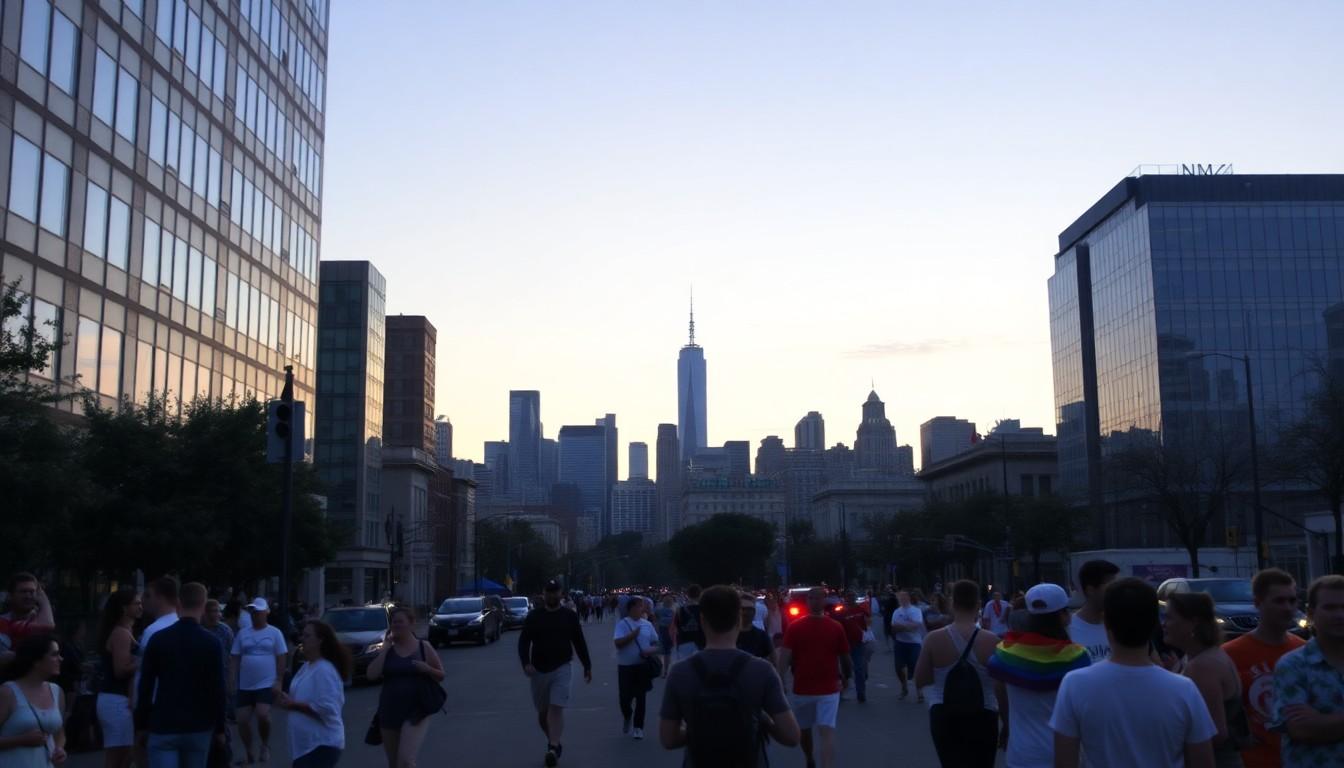
Celebrate, march, reflect: Pride parades from New York to San Francisco wrapped up Pride Month on the anniversary of the 1969 Stonewall uprising, drawing huge crowds, colourful floats and renewed calls for equality , and reminding us why these city parades still matter for visibility and political momentum.
Essential Takeaways
- Historic timing: Parades coincided with the Stonewall anniversary, linking celebration to history and activism.
- Big-city turnout: Major marches in New York and San Francisco drew large, energetic crowds, with a festive, loud atmosphere.
- Celebration plus protest: Events blended party elements and policy demands, signalling ongoing rights battles.
- Local character: Each city’s parade offered a distinct vibe , from polished floats to grassroots contingents.
- Practical note: Expect large crowds and heightened security at major Pride events; plan meeting points and arrival times.
Parade peaks: New York led with scale and spectacle
New York’s parade once again showed why it’s the global flagship for Pride, packed with colourful floats, loud music and a steady buzz of excitement. The scene felt electric, with confetti and banners rubbing shoulders with serious slogans about policy and protection. Organisers leaned into both pageantry and protest, so attendees got glitter and grassroots demands in almost equal measure. If you’re heading to a large Pride, bring water, wear comfortable shoes and set a clear meeting point , crowds there move slow but stay spirited.
San Francisco kept its reputation for activism and pageant
San Francisco’s march reflected the city’s long tradition of mixing celebration with campaign-style messaging, and it drew neighbours and tourists into the streets. There was a mix of big-name contingents and smaller community groups, so you saw polished floats next to homemade signs asking for concrete policy change. The city’s history , the Bay Area played a crucial role in the movement , made the anniversary feel especially poignant. For visitors, take public transport early and expect charming local touches like live street performances between parade segments.
Why Pride remains both party and platform
Pride events have always balanced joy and a demand for rights, and this year was no different. With legal and cultural debates still active, parades serve as visible reminders of why the movement began and what’s at stake now. Observers noted that the celebratory elements draw people in, while marches and banners keep attention on issues that need work. That combo , confetti plus calls to action , keeps Pride relevant in an era of shifting politics.
Local flavours: how cities make Pride their own
Every city brings a different taste to Pride: New York’s spectacle, San Francisco’s activist edge, and smaller cities’ tight-knit community energy. These differences matter because they let attendees pick experiences that suit them , from raucous street parties to more reflective commemorations. Local organisers tailor routes, performers and safety measures, so check official sites for accessibility info, timings and family-friendly zones before you go. A little planning means a more relaxed, enjoyable day.
What to expect next: Pride beyond a month
The anniversary-parade rhythm suggests Pride will keep evolving, moving between celebration and organised advocacy as the political climate changes. Community groups are likely to use the momentum to press for policy shifts while cultural institutions expand Pride programming year-round. That means the spirit of the parade often ripples into longer-term campaigns, fundraising and local services , a reminder that Pride can be both one loud day and a sustained effort.
It's a small but powerful tradition: a colourful march that keeps history alive and the work unfinished.
Source Reference Map
Story idea inspired by: [1]
Sources by paragraph:
- Paragraph 1:
- Paragraph 2:
- Paragraph 3:
- Paragraph 4:
- Paragraph 5: