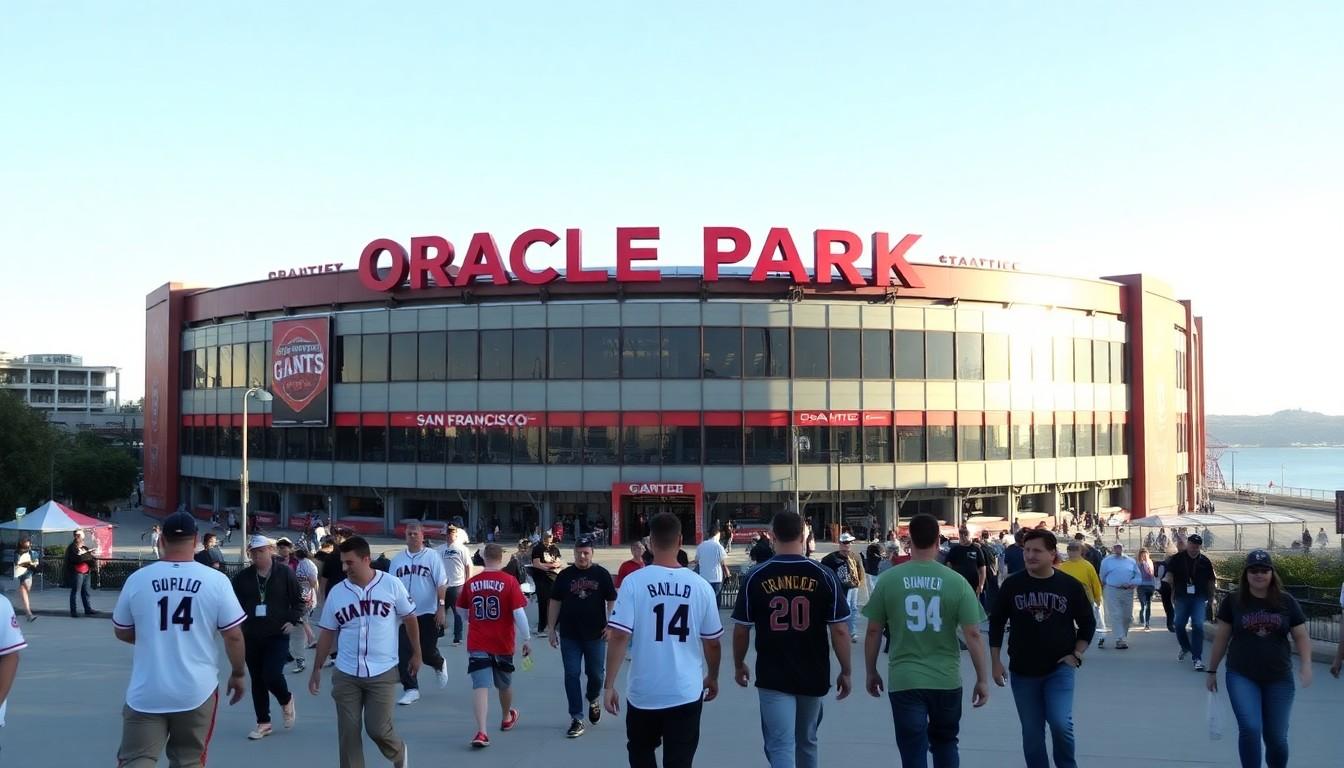
Shoppers and sports fans alike are watching closely as two high-profile Pride Night moments , at the San Francisco Giants and the Dallas Wings , reveal how faith and inclusivity can play out very differently in sport, why it matters to fans, and what each approach says about community and respect.
- Two contrasting gestures: Giants pitchers added Bible verses to rainbow caps, while Dallas Wings star Paige Bueckers used Pride Night to speak about love and inclusion.
- Immediate fallout: MLB criticised the Giants’ actions and warned the players, prompting national debate and heated fan reactions.
- Emotional stakes: LGBTQ+ supporters reported feeling hurt and rejected; some faith communities praised the players for standing by convictions.
- Tone matters: Public expressions that invite relationships tend to build community; exclusionary gestures deepen divides and generate headlines.
- Practical takeaway: If clubs, players or fans want to bridge differences, lead with inclusion, clear communication and respect for diverse audiences.
What actually happened on those Pride nights
The clearest image to hold is simple and visual: one team’s rainbow caps carried Bible verses, another’s celebration filled an arena with rainbow merchandise and community groups. According to reports, three Giants pitchers wrote “Genesis 9:12–16” on team-issued rainbow-logo caps as a way of signalling a religious understanding of the rainbow. The move triggered swift public reaction and a formal warning from Major League Baseball. Across the country, the Dallas Wings hosted a Pride Night where players and staff honoured local LGBTQ+ organisations and a star spoke about living a life of love and inclusion.
Why fans felt so strongly , and why reactions split
People invest personal meaning in teams, so gestures aimed at identity become proxies for wider social battles. LGBTQ+ fans and allies said the Giants’ action felt like a rejection from athletes they looked up to; others, including faith communities, viewed it as a principled stand. Media outlets from The Guardian to the San Francisco Chronicle flagged MLB’s criticism and the ensuing national conversation, showing how a single on-field gesture can spiral into political comment and cultural debate. When actions appear exclusionary, they provoke pain; when actions emphasise welcome, they invite conversation.
What the league and clubs are saying , and why messaging matters
MLB’s response was swift, according to Sports Business Journal and other outlets, stressing that altering team-issued gear in that way crossed a line. Clubs and leagues have to balance player expression with brand commitments to fans and community partners. Clear policies and upfront conversations could have prevented confusion: teams typically supply commemorative items and schedule celebrations well ahead, so expectations are obvious. Practically, if players want to express personal beliefs, doing so off-field or in a way that doesn’t co-opt team property avoids mixed messages and public harm.
Faith in the stadium: two different models of religious expression
You can see two approaches to faith at work. The Giants players used a scriptural citation to assert a theological claim about the rainbow; that’s a form of protest or counter-message. By contrast, Paige Bueckers referenced living “a Christ-like life” that centres love and inclusion, a statement that explicitly sought to bridge rather than bar. The latter shows how faith-language can expand circles; the former risks shrinking them. For fans and clubs trying to navigate religion in sport, the guiding question is simple: does the public gesture invite relationship or shut it down?
How teams, players and fans can move forward
Practical steps are surprisingly mundane. Teams should clarify event expectations and communications in advance and provide optional alternatives for players who object. Players who wish to express conscience should weigh the audience and consequences and consider non-team platforms. Fans can press clubs for transparent policies and call for restorative dialogue when harm occurs. Community groups and clubs might organise follow-up events that centre listening and repair , small actions that restore trust and show that sport can be a place of belonging.
It's a small change that can make every Pride moment feel safer and more genuine for everyone.
Source Reference Map
Story idea inspired by: [1]
Sources by paragraph: