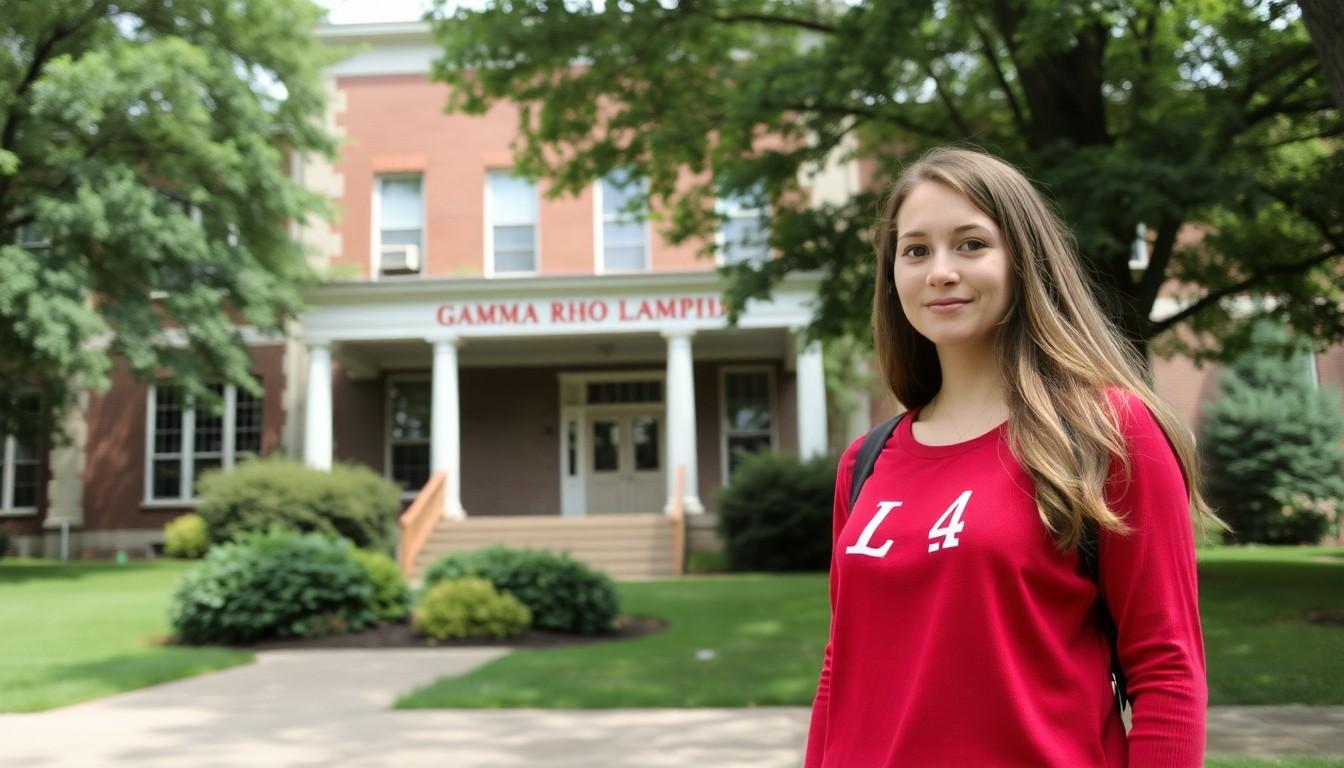
Celebrate local Pride with voices from Iowa State students: who’s organising, what they value, and why Pride Month still matters on campus and beyond. Read firsthand perspectives, find practical tips for joining events, and see how groups keep celebrations inclusive and meaningful.
Essential Takeaways
- Campus hubs: Pride Alliance, Aromantic Asexual Alliance (AAA) and Gamma Rho Lambda are active student groups offering socials, info and community support.
- Event variety: Expect game nights, craft sessions, Pridefests, drag shows and parades , sensory, social and safe spaces to meet people.
- Why it matters: Students stress visibility, legal protections and resisting rainbow-washing from brands.
- Accessibility: Many events occur through June and some, like Ames Pridefest, run later to suit the student calendar.
- How to join: Start with social nights or campus groups to make Pride feel less intimidating and more personal.
Students run the welcome table , Pride Alliance leads social connection
Pride Alliance at Iowa State positions itself as a social lifeline, not just a political forum, and that matters when you want somewhere friendly to start. Jaymes McShane, the group’s president and a senior in biology, says they run everything from gayme nights to craft meet-ups, so the vibe is casual and approachable , it smells like shared snacks and laughter rather than formality. This grassroots model grew because students wanted more peer-led spaces where queer people and allies could relax without explanation. Nationally, campus groups have long been the first port of call for students exploring identity, and that trend holds here. If you’re unsure how to get involved, tagging along to a social night is the simplest step: you’ll meet people with similar interests and learn about bigger events like festivals or parades.
Aroace visibility: the Aromantic Asexual Alliance is carving out space
Aromantic Asexual Alliance (AAA) members emphasise that Pride must cover the full spectrum of identities, including aroace people who often feel overlooked at mainstream celebrations. Megan, AAA’s president and an event management senior, points out the emotional lift of seeing a community reflected in festivities , and the frustration when brands only show rainbows superficially. AAA offers weekly meet-ups that blend information with fun, so attendees can ask questions in a low-pressure setting. For students worried about labels or questions from peers, AAA is a good place to practice conversations and build confidence. Expect to find drag shows, educational panels and quieter socials in equal measure; that mix helps Pride feel both celebratory and substantive.
Festivals and parades: local favourites and student-friendly timing
Students favour festivals for the sensory buzz , stalls, art, music and chances to support queer creators , while parades offer that communal, cathartic energy. McShane lists Ames Pridefest, local Quad Cities events and the Chicago parade as regular highlights, noting that some gatherings, like Ames, are scheduled outside June to fit student timetables. That scheduling flexibility reflects a wider shift: Pride is no longer one packed month but a rolling series of moments. If you’re a student, check dates carefully and plan around exams; small festivals in the region can be just as rewarding as big-city parades, and they’re often easier on transport and budget.
Why Pride still matters: legal protections, visibility and the politics of brand support
Underpinning the parties is a serious current: students say Pride is necessary because legal protections remain incomplete and anti-trans policies are on the rise. Megan’s point about rainbow-washing , companies dressing in Pride marketing without consistent support , is something young people are increasingly calling out. National advocacy groups and campus organisations are amplifying these concerns during Pride Month, turning celebration into civic action. If you want to do more than attend, volunteer with student groups or give to queer-led businesses and mutual aid efforts. Visibility at events raises awareness, but sustained support is what protects rights over time.
Practical tips for first-time attendees and allies
If you’re going to your first parade or Pridefest, pack water, a small cash stash for local vendors, and a phone charger; festivals are sensory and social marathons. Look for event schedules published by student groups or local organisers so you can catch quieter panels if crowds overwhelm you. Allies should listen first: ask how best to help, show up to support queer creators, and avoid tokenising people or taking centre stage at community-focused spaces. Joining campus clubs is the gentlest way to start; Pride Alliance and AAA host regular socials where you can meet friends before bigger gatherings. And if you see rainbow-washing, check whether the brand backs policy or funds queer organisations , support the real allies.
It's a small change that can make every celebration safer and more meaningful.
Source Reference Map
Story idea inspired by: [1]
Sources by paragraph: