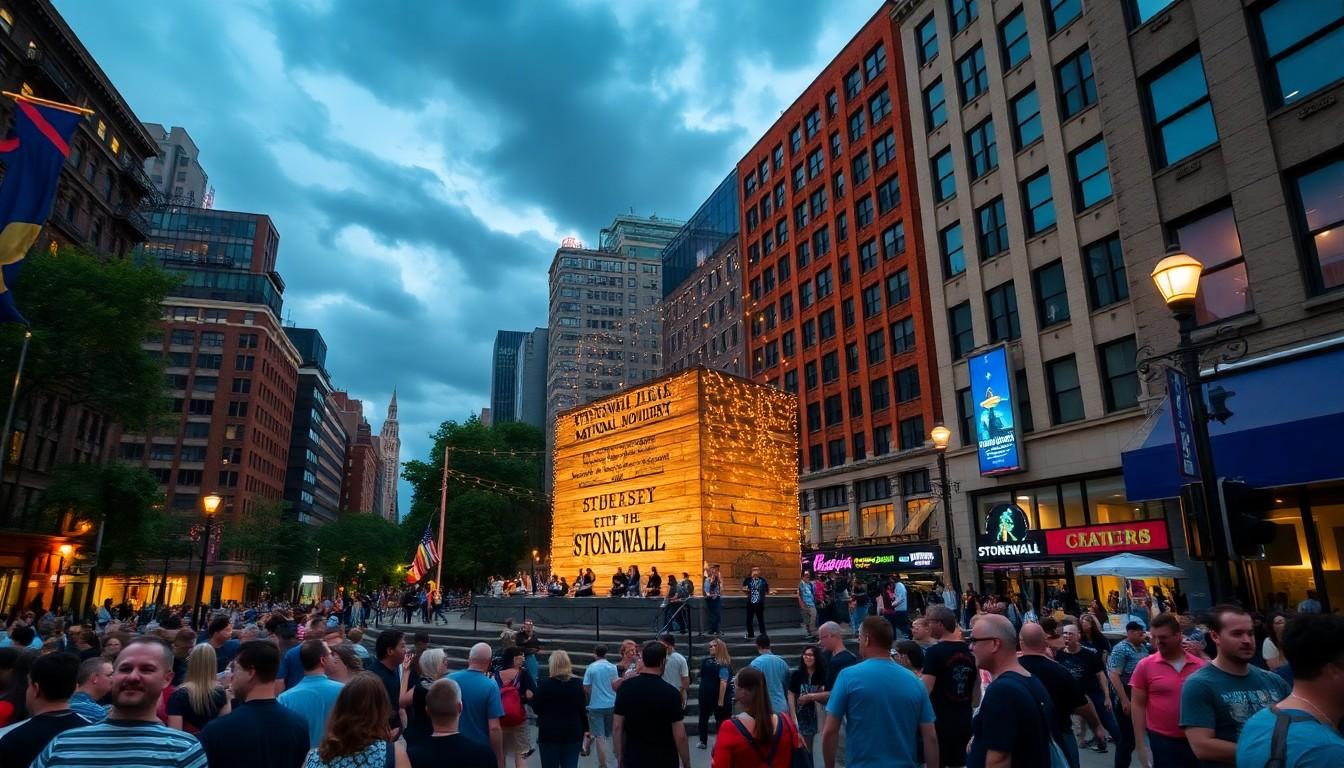
Celebrate the riotous colour, music and defiant joy that poured through Manhattan as thousands packed the streets for New York’s 2026 Pride March, a vivid blend of celebration and protest that honoured Stonewall’s legacy and highlighted current fights for trans and non‑binary rights.
Essential Takeaways
- Mass turnout: Tens of thousands marched along Christopher Street and Fifth Avenue, with a lively, crowded feel and a festive soundtrack.
- Historic echo: The theme referenced Stonewall and Marsha P. Johnson, underlining connection to 1969’s pivotal protests.
- Visible protest: The event doubled as a demonstration against federal actions targeting trans healthcare and diversity initiatives.
- Community vibe: Floats, performers and spectators created a warm, noisy atmosphere , flags waved, music blared, and emotions ran high.
- Practical note: Organisers and civil liberties groups urged safety-minded planning for attendees, from hydration to knowing the route and meeting points.
Streets awash in rainbow and rhythm , what it felt like
The march hit like a burst of confetti and sunshine, a sensory rush of colours, music and cheering crowds. Spectators lining the route clapped and waved flags as floats rolled past, while marching groups brought everything from pop beats to brass bands, giving the day a celebratory, communal pulse. Organisers say the energy comes from both joy and urgency , people are celebrating identity while pushing back against policies they see as erasing gains.
Events were tightly choreographed yet exuberantly spontaneous, with local and international performers adding star turns. That mix matters: a Pride that’s also a political statement tends to be loud and proud, which helps keep the moment visible to passers‑by and policymakers alike.
Stonewall’s shadow: why the past still matters
Pride’s route and rhetoric kept circling back to Stonewall and the phrase attributed to Marsha P. Johnson: “No pride for some of us without liberation for all of us.” That framing made the march feel purpose‑driven, not just party‑driven. Commemorating the 1969 uprisings at the Stonewall Inn reminded attendees that Pride grew from resistance to harassment and police raids.
Historians and activists often point out that remembering the riots keeps contemporary struggles anchored , it’s a reminder that rights were fought for, and can be defended again. For families and younger marchers, the history added weight: the celebration is a living continuum, not simply an annual festival.
When parade meets protest: the political threads
This year’s march had a clear political edge as participants protested federal moves seen as hostile to trans youth and diversity programmes. Organisers and civil‑liberties groups used the platform to call attention to policy changes affecting transition care and the visibility of LGBTQ+ flags in public spaces. The result was a parade that doubled as a demonstration, with banners and chants focused on concrete policy concerns.
If you’re attending future Pride events, expect both celebratory elements and issue‑driven contingents. Knowing the message behind the pageant helps you recognise when a float is making a political point, not just putting on a show.
Famous faces, local voices: why performers matter
Artists on the route helped lift spirits and broaden reach. International performers who joined in emphasised solidarity and linked their art to themes of freedom and self‑reflection. For many spectators, seeing familiar names sing or march adds a communal feeling that TV coverage then amplifies.
Performers bring media attention, and media attention puts pressure on institutions , it’s a practical feedback loop. If you follow Pride online, you’ll notice artists often use their platforms afterwards to push voting, advocacy and fundraising initiatives, which keeps momentum going beyond the day.
Practical tips for future Pride attendees
Plan for heat and crowds: bring water, a small battery pack for your phone, and pick a meeting spot in case you get separated. Review official route maps and start times , organisers often stage satellite events and vigils that fill up fast. If you want a quieter experience, seek out community‑led marches that emphasise reflection and direct action rather than the main parade spectacle.
If you’re joining to protest, stay informed about permitted signage and safety guidance from civil‑liberties groups. And if you’re there to support friends or family, a small gesture , a painted face, a wave, a shared umbrella , can mean a lot.
It's a loud, living reminder that Pride is both party and protest, a small change in where we stand that can make every march mean more.
Source Reference Map
Story idea inspired by: [1]
Sources by paragraph: