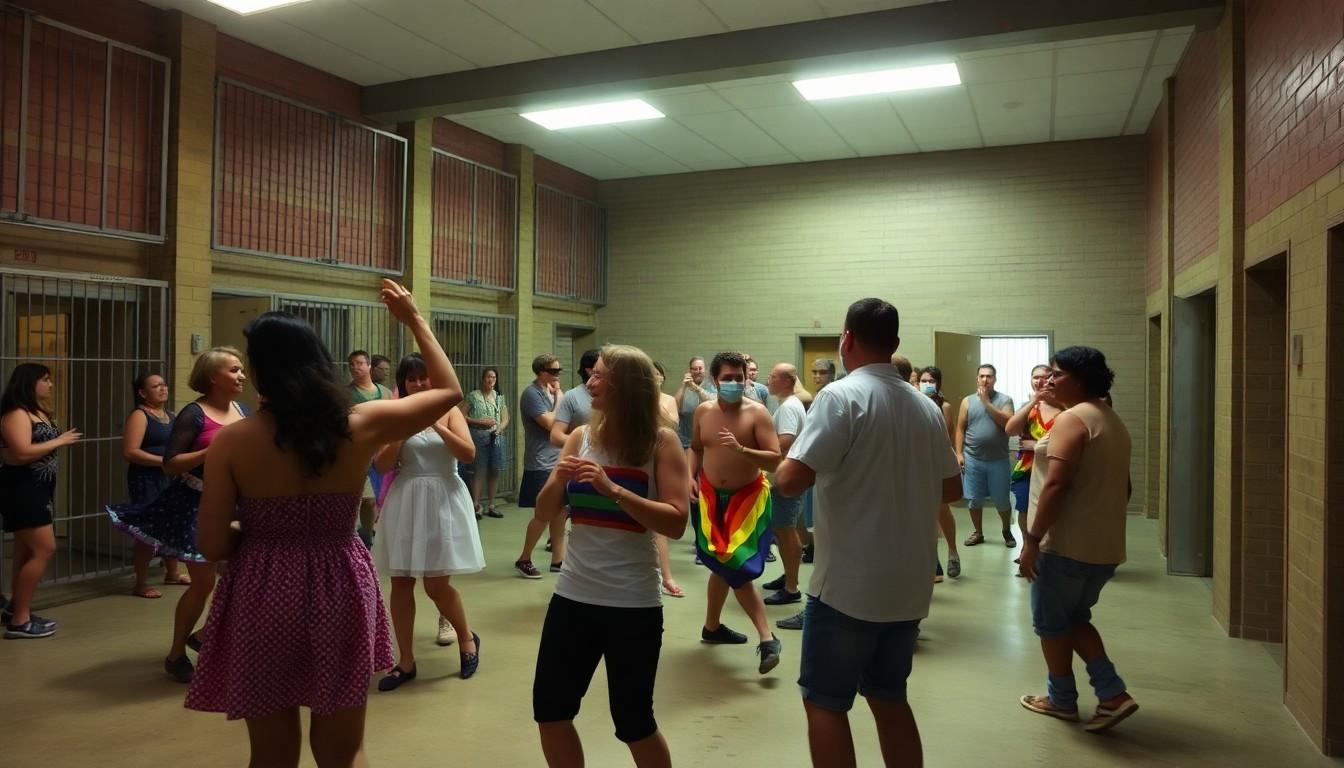
Celebrate: organisers and incarcerated queer and trans people are turning prison yards into unexpected Pride spaces, showing why anti-carceral organising and joyous resistance matter for everyone facing gendered state violence. Inside Washington State’s Monroe Correctional Complex, a DIY Pride made demands as loudly as it made space to dance.
Essential Takeaways
- Bold moment: A June Pride inside the Twin Rivers Unit at Monroe Correctional Complex combined celebration with direct organising against punitive policies.
- Human detail: Participants used feathers, cultural regalia, and the electric slide to work around bans on wigs, dresses and dancing , it felt defiant and tender.
- Policy pressure: Federal and state moves , including a 2024 transfer and ongoing DOJ scrutiny , are reshaping where and how incarcerated trans people live.
- Organising legacy: Prison-based queer networks draw on decades of DIY anti-violence tactics and contemporary abolitionist alliances.
- Practical note: When safety is offered as solitary confinement, it’s coercive not protective , advocates call for alternatives and decarceration.
A Pride that was part party, part political act
Inside the Twin Rivers Unit, the sight of people swaying to an electric slide felt quietly seismic, a sensory reminder that joy can be tactical. According to reporting, Alliances , a multigenerational, multiracial group of incarcerated queer and trans people , pulled together the event with help from inside networks like the Black Prisoners’ Caucus. The result wasn’t just a few skits and poppers, it was a live, embodied argument against the system that keeps curtailing queer lives.
This kind of inside Pride makes clear what organisers have known for years: celebrations are also organising spaces. When guards ban dresses or wigs, people improvise with feathers and cultural dress. That improvisation is a form of resistance, and it’s rooted in a long history of prison-based queer activism.
How policy pressures turn into punishment disguised as protection
Recent federal and state actions have made incarceration policy a battleground for trans rights. A federal executive order pushed restrictions across agencies, and court rulings have temporarily preserved some medical access for people in federal custody. At the same time, state-level moves in Washington have resulted in transfers that activists say punish trans people under the guise of safety.
Advocates highlight cases where transfers from women’s prisons into men’s facilities follow infractions that wouldn’t be treated as harshly for others. The claimed rationale , protecting the individual , often ends up as prolonged solitary confinement, which is widely known to be damaging and coercive rather than protective. That distinction matters when you’re weighing safety against isolation.
DOJ investigations, lawsuits and the politics of narratives
The Department of Justice has opened probes into Washington’s transgender housing policies while outside groups collect testimony to challenge state placements. These legal and political fights are more than bureaucratic squabbles: they shape who gets to be recognised as a woman in carceral settings, who gets access to hormones and who is moved into more dangerous environments.
Narratives about risk and sexual harm are weaponised in these debates. Evidence from multiple studies points to staff, not trans prisoners, as frequent perpetrators of sexual violence, but policy rhetoric often flips that reality. The result is more controls on trans bodies rather than accountability for those who harm them.
DIY organising is durable, inventive and often lifesaving
Queer prison organising has a long thread of do-it-yourself tactics. From Men Against Sexism teaching self-defence decades ago, to newsletters that documented police entrapment, to newer youth-led campaigns that challenged criminalisation for carrying condoms, the practices are inventive and practical. Inside networks write, visit, smuggle supports and create “safe” spaces however they can.
At Monroe, organisers used cultural showcases to bypass bans on dresses and staged a dance to reclaim a rule-bound yard. These are small tactical wins that signal larger possibilities , they protect morale, build connection and help sustain the push for decarceration.
What activists and allies can do right now
Support looks like a mix of immediate and structural steps. Practical actions include backing legal efforts that contest punitive transfers, donating to groups that provide post-release support, and amplifying the voices of incarcerated organisers. Policy-wise, pushing for independent oversight, restoring funding to effective prevention measures, and opposing laws that narrow gender recognition are essential.
Meanwhile, if you want to show solidarity locally, attend community Pride events that centre abolitionist demands, sign petitions, and educate others about why “protection” should never mean prolonged solitary.
It's a small change that can make every dance and every demand safer and louder.
Source Reference Map
Story idea inspired by: [1]
Sources by paragraph: