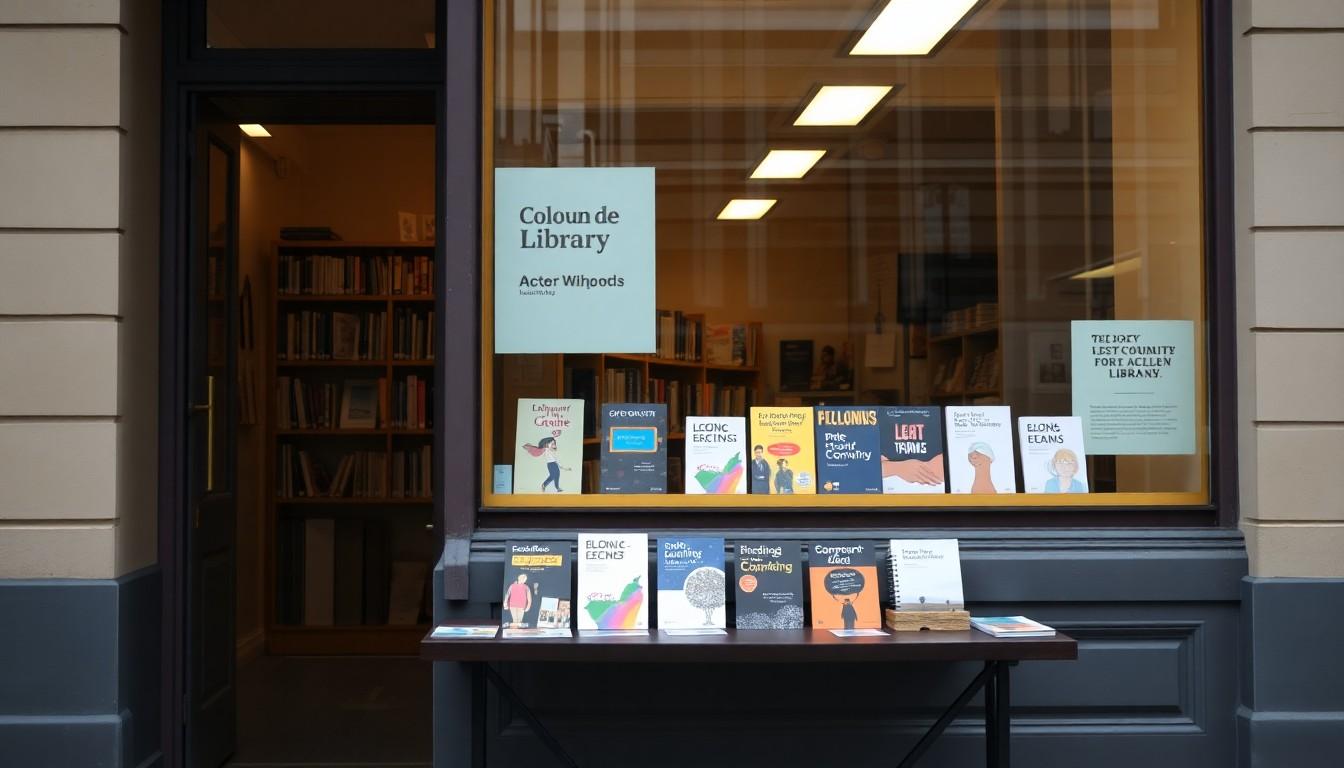
Shoppers of stories and community-builders are discovering Alive Activities’ new booklet, Letters to My Younger Self, a touching collection of reflections from older and younger LGBTQ+ people in the UK that connects memory, courage and hope and matters for carers, families and anyone interested in intergenerational support.
Essential Takeaways
- Project focus: A collection of letters from older and younger LGBTQ+ participants sharing memories, fears and hopes across generations.
- Organiser: Produced by Alive Activities as part of the STANd (Strength Together Age Network Development) intergenerational project.
- Tone: Honest and varied , from wistful to playful, the booklet feels intimate and immediate.
- Practical use: Easy to read PDF, useful for community groups, care settings and families looking to spark conversation.
- Access: The booklet is available to download freely from Alive Activities’ site and can be used in workshops or reminiscence sessions.
Why this booklet lands so naturally with readers
The moment you flip through Letters to My Younger Self you notice the human voice , frank, tender and often wry. The letters read like conversations you weren’t in the room for, with sensory details and small moments that make a history feel lived-in rather than listed. That immediacy is crucial: it turns abstract ideas about identity and ageing into scenes and emotions that stay with you.
Alive Activities intends this to be more than a pamphlet; it’s a bridge between age groups. According to their STANd project information, the aim is to strengthen ties between older and younger people by sharing stories and building mutual understanding. That purpose shows in the booklet’s structure , pairs of voices, responses, and prompts that invite further exchange.
How the STANd project shaped the collection
The booklet grew from Alive Activities’ intergenerational work under the STANd banner, which focuses on creativity and curiosity to bring people together. Workshops encouraged participants to write to their younger selves or to someone younger, and the result is a mosaic of perspectives that feels intentionally collective rather than didactic.
This kind of format reflects a wider move in community care towards peer-led storytelling and reminiscence activities. Groups running dementia-friendly or wellbeing sessions often favour material like this because it’s accessible, emotionally rich and sparks discussion without needing specialist facilitation.
What carers, community workers and families can do with it
Use the PDF as a conversation starter in group sessions or one-to-one visits. Read a short letter aloud, then pause for reactions , what surprised you? What would you say to your younger self? It’s easy to adapt the booklet for different needs: pick short, upbeat pieces for people with limited concentration, or fuller reflections when you want to linger on memory and identity.
Practical tip: print single letters on separate sheets for tactile handling, or display them on a tablet for quieter sharing. The soft, honest tone of many pieces makes them especially useful for exploring topics like resilience, coming out, or changing norms across decades.
Where this fits in the wider landscape of LGBTQ+ community work
Projects such as The Ladybug Project, Generation Liberation and international initiatives share a common thread with STANd: making space for LGBTQ+ stories across ages. While some organisations focus on activism or archives, Alive Activities leans into relationship-building through creative practice, which feels both immediate and restorative.
This booklet also plugs into broader cultural efforts to ensure older LGBTQ+ voices aren’t sidelined. Museums and community groups are collecting oral histories and love letters precisely because lived experience provides a counterpoint to policy debates and headline news.
A quick guide to using the booklet responsibly
Be mindful of triggers , some letters touch on trauma, rejection or loss. Offer choices and let participants opt out of reading certain pieces. If running a mixed-age session, set simple ground rules about respect and confidentiality. And remember, the aim is connection, not correction: hearing someone’s truth is often enough.
For care settings wanting a ready-made session, pick three contrasting letters, allow quiet reflection, then invite participants to write one sentence to their younger self. That’s often all it takes to unlock a conversation.
It's a small, human tool with big potential to bridge generations and open honest conversations.
Source Reference Map
Story idea inspired by: [1]
Sources by paragraph: