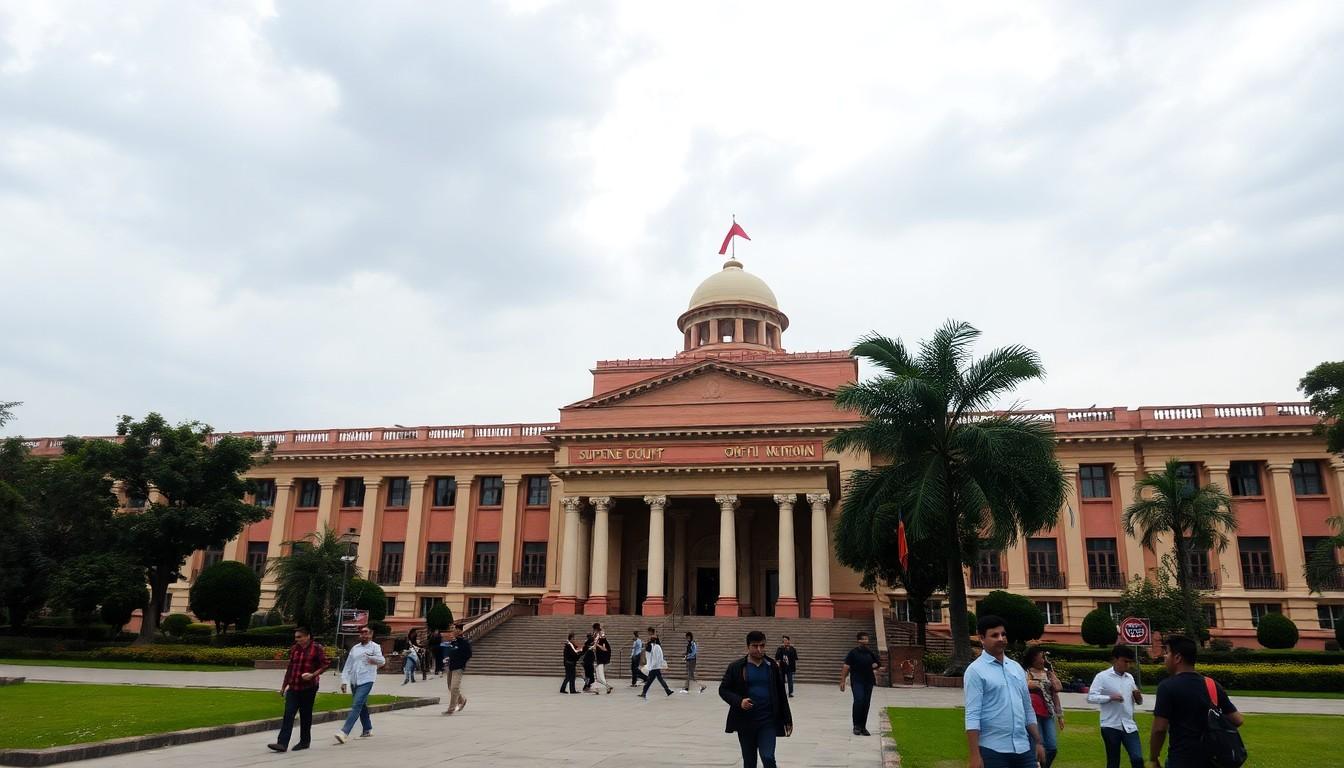
Celebrating a landmark moment, Nepali campaigners have a reason to smile this Pride Month as the Supreme Court issued a binding order in June 2026 requiring the government to guarantee equal marriage rights for sexual and gender minorities , a move with real legal and emotional weight for couples seeking recognition.
Essential Takeaways
- Court order: Nepal’s Supreme Court has issued a binding directive to the government to provide equal marriage rights for same-sex couples, moving beyond the provisional registrations that began in 2023.
- Legal upgrade: Provisional unions from 2023 did not give couples full spousal rights; the new ruling aims to grant parity with heterosexual marriages, including recognition and legal protections.
- Long campaign: Decades of activism, notably by groups such as the Blue Diamond Society, laid the groundwork for today’s decision and earlier court wins on third gender recognition and anti-discrimination.
- Implementation uncertain: Nepal’s constitution obliges the government to follow Supreme Court orders, but enforcement has sometimes lagged; civil society will be watching closely.
- Social reality: Leaders in the LGBTQI+ movement note that legal change is vital but acceptance at community level still lags, so awareness and protections remain priorities.
A decisive court order that changes the legal landscape
The most immediate fact is simple and sharp: Nepal’s top court has told the government to provide equal marriage rights for sexual and gender minorities, not just temporary recognition. That feels, rightly, like a big step , there’s a certain relief in moving from provisional paperwork to the promise of real, durable rights. According to reporting from PinkNews and statements welcomed by organisations such as the International Commission of Jurists, the order is framed as binding and intended to make same-sex marriages equal under law. For couples who’ve waited through paperwork and provisional registrations, this is the moment they were after.
How we got here: decades of activism and earlier rulings
This ruling didn’t come out of nowhere. Activist groups like the Blue Diamond Society have been pressing for change since the early 2000s, and major litigation in 2007 set the legal precedent recognising third gender identities and condemning discrimination. Reuters-style timelines and background summaries make clear that the court’s 2007 direction to include a third-sex option on identity documents and to consider same-sex marriage laid essential groundwork. That long arc , from fighting for basic recognition to winning equal marriage rights , shows how incremental legal battles add up.
The 2023 interim step and why it wasn’t enough
Back in 2023 the Supreme Court ordered the government to temporarily register same-sex marriages. That allowed ceremonies and provisional registration, and the first official same-sex wedding followed within months. But those unions lacked the full range of spousal rights enjoyed by opposite-sex couples , think inheritance, spousal benefits, and clear legal recognition. LGBTQ Nation’s coverage from 2023 reminds us that provisional steps can help, but they’re not the same as full equality. The new directive aims to bridge that gap.
Will the government follow through? The tricky business of enforcement
In theory the Nepali government must comply with Supreme Court directives; in practice compliance sometimes takes time. The International Commission of Jurists and other observers welcomed the June 2026 decision, but they also noted that follow-up , drafting regulations, changing registry practices and amending administrative forms , will be needed. That’s the practical work that turns a courtroom win into daily reality for couples. Civil society groups and lawyers will likely press for clear timelines and legal changes to ensure nothing gets stuck in bureaucracy.
Beyond law: social acceptance and the next fights
Legal recognition matters hugely, but it doesn’t immediately end social stigma. Leaders within Nepal’s LGBTQI+ movement point out that discrimination and lack of acceptance continue to affect daily life. Wikipedia and local reporting show that while the constitution and court rulings provide protections on paper, social attitudes and access to services still need attention. So alongside legal implementation, education campaigns, workplace protections and community outreach will be vital if the ruling is to have its full effect.
Practical tips for couples and allies
If you’re an LGBTQI+ person in Nepal or supporting someone who is, keep a few practical things in mind: track official guidance from the government registry about new forms and processes; get legal advice before signing documents; and connect with established groups like the Blue Diamond Society for support and information. Allies can help by amplifying accurate information and offering practical help with paperwork or navigating local services.
It's a small change that can make every marriage more secure and every celebration more official.
Source Reference Map
Story idea inspired by: [1]
Sources by paragraph: