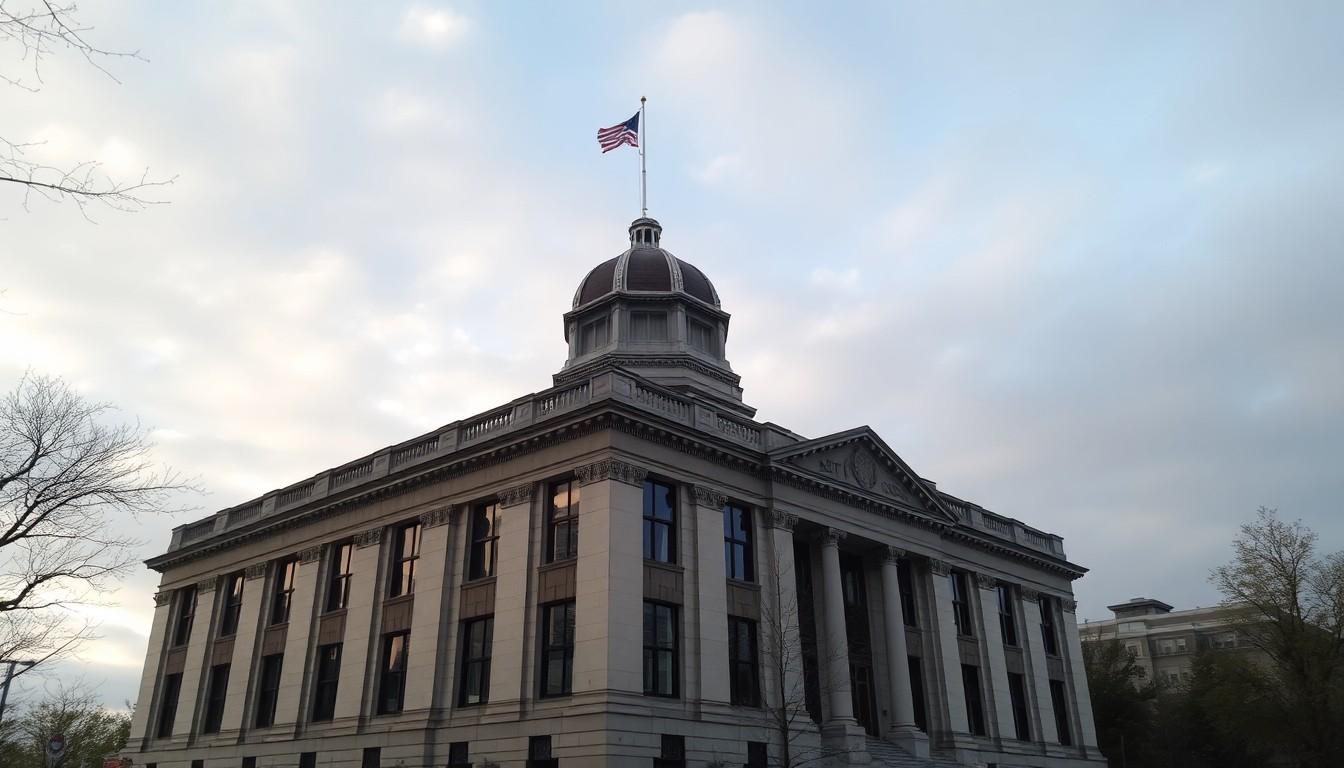
Shoppers of policy and history took notice this week as Minneapolis’s city council voted to repeal a 38‑year-old ban on adult bathhouses; the change lifts a stigma rooted in panic, signals a public‑health approach to sexual venues, and sets up rules that aim to balance safety, pleasure and oversight.
Essential Takeaways
- Historic reversal: Minneapolis voted 9–2 to repeal its 1988 ban that closed adult bathhouses during the early AIDS crisis.
- Public‑health framing: Advocates want venues modelled on places like San Francisco, with condoms, trained staff, clean facilities and waste protocols.
- Not immediate reopening: The repeal still needs the mayor’s signature and a new regulatory framework before venues can reopen.
- Mixed community feeling: Some local voices remain cautious or opposed, reflecting complex feelings about safety, memory and desire.
- Symbolic correction: Council members framed the vote as correcting a law born of fear and prejudice rather than current science.
Opening Hook: A door finally unlocked
After nearly four decades on the books, Minneapolis has voted to lift an emergency rule born in panic and loss, and you can almost feel the relief, quiet, cautious and a bit wary, among supporters. According to MPR News and Metro Weekly, the 9–2 council vote on 25 June rescinds an ordinance enacted in 1988 at the height of the AIDS crisis, a decision advocates now call a long overdue correction rather than a novelty.
Backstory and why it mattered then and now
Rewind to 1988: treatments were scarce, fear ran high, and cities across the US made snap policy choices to try to contain a fast‑moving epidemic. The Star Tribune and Washington Post recount how Minneapolis closed its three adult bathhouses in that atmosphere, a move that hardened into a permanent ban even after science and public‑health practice moved on. Lawmakers and activists now say the rule outlived its rationale and carried an undercurrent of prejudice that harmed community spaces.
How supporters frame this as public health, not permissiveness
Those pushing for repeal argue this is about harm reduction. They point to models like San Francisco, where licensed venues stock condoms, train staff in safety and infection‑control, and manage facilities with clear sanitation standards. CBS News and The Washington Post explain that the aim is to marry pleasure with safety, so venues can be managed, inspected and integrated into wider health services rather than pushed underground.
Practical next steps: signatures, rules, and realistic timelines
Nobody’s throwing open the doors tomorrow. City reporting notes the repeal still needs the mayor’s signature and a council‑led rulebook to govern licences, inspections and operational standards. That’s sensible: drafting those rules will determine whether reopening protects patrons, public health and neighbourhood concerns. For owners and patrons, the takeaways are simple, expect a period of consultation, clear hygiene requirements, and gradual, regulated returns rather than a sudden boom.
Community reactions show this is still complicated
The vote wasn’t unanimous. Some councillors and community members expressed caution or opposition, saying reopening isn’t a top priority or that many in the gay community themselves have reservations. Metro Weekly and PinkNews cover those tensions, which reflect something deeper: bathhouses carry memory as much as function. For some, they’re sites of liberation and sexual health outreach; for others, they’re reminders of trauma. The debate is as much cultural as it is regulatory.
Why this matters beyond Minneapolis
This repeal reads as part policy correction, part cultural moment. It signals that cities can revisit emergency laws adopted under duress and update them to fit current evidence and rights. As the Washington Post suggests, it also creates opportunities to channel sexual health outreach in more effective, less stigmatising ways. If done right, regulated venues could complement clinics and outreach programmes, offering condoms, harm‑reduction information and pathways to care in spaces people already use.
Practical tips if you’re curious or concerned
- If you live in Minneapolis and want to follow developments, watch council meetings and public consultations for proposed licensing rules.
- Supporters should ask for transparency on inspections, staff training and waste disposal; opponents can request strict community‑impact assessments.
- For other cities: use this as a case study, repeal alone doesn’t solve issues, regulation and community engagement do.
Closing line
It’s a small policy shift with a lot of heart: Minneapolis has started to untangle a law born of fear, and now the real work, rules, care and conversation, begins.
Source Reference Map
Story idea inspired by: [1]
Sources by paragraph: