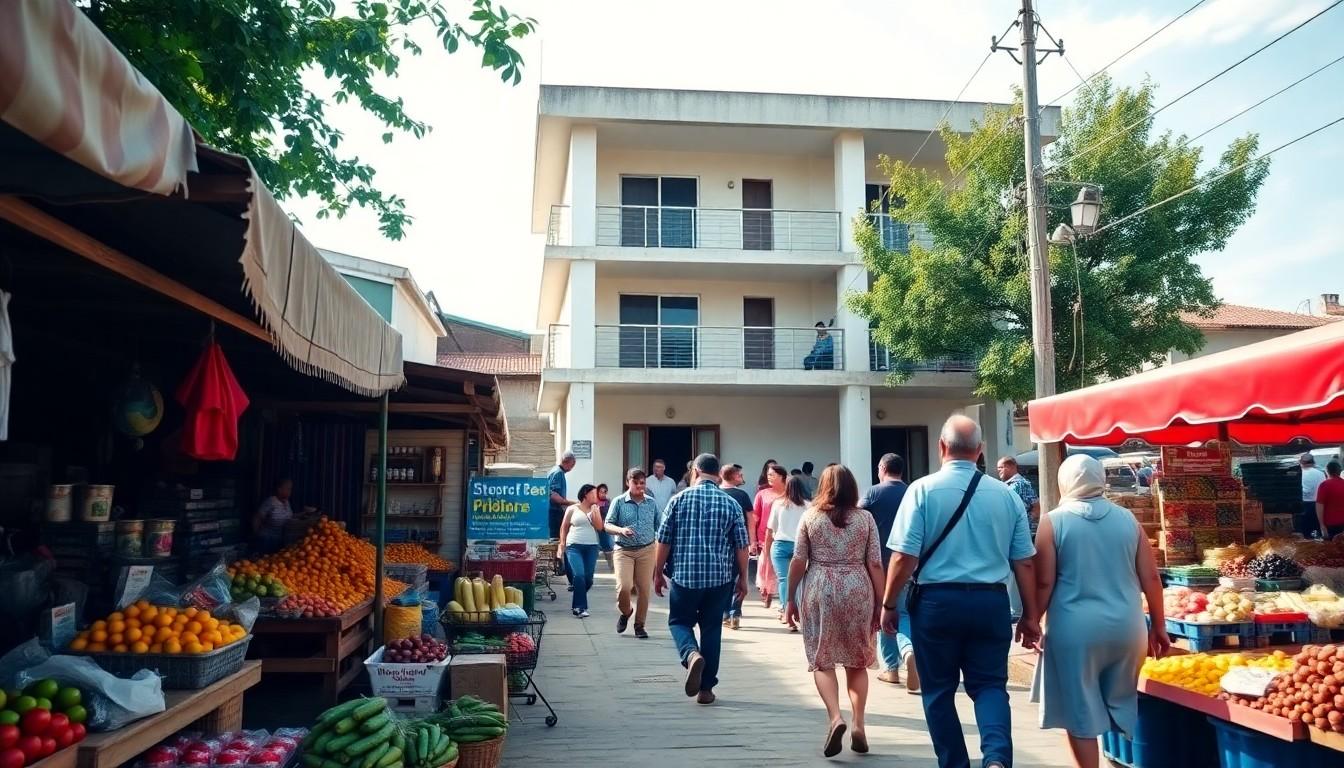
Shoppers are turning to guided trips that centre safety, local stories, and queer perspectives , and one transgender guide is reshaping how travellers experience Nicaragua, Guatemala and beyond. This matters for activists, curious holidaymakers and anyone who wants a more honest, humane look at Central America.
Essential Takeaways
- Local-led: Tours are guided by bilingual, locally based leaders who know streets, smiles and sensitivities.
- Safer feel: Small groups and expert reading of situations make outings feel more comfortable and confident.
- Culture-rich: Itineraries mix markets, colonial towns and community visits for a textured sense of place.
- Inclusive pacing: Trips run one to three weeks with options for different ages and energy levels.
- Ground-level insight: Guides share personal stories that add depth, context and emotional resonance.
An immediate welcome you can feel , and why it matters
Early-morning humidity, the sizzle of street food and a guide who greets you by name: good guides set the tone, emotionally as well as logistically. According to Condé Nast Traveller, Aurora Alvarez-Granados Ramírez greets groups in courtyards and markets with the kind of warmth that dissolves first-day nerves. That human touch matters for LGBTQIA+ travellers who are often weighing visibility against safety, and for anyone who wants to move beyond postcard snapshots to lived experience.
Context: local guides have intimate, sensory knowledge of a place that a brochure never can supply. Practical tip: pick tours that advertise bilingual guides and small groups , you’ll hear more, and you’ll feel safer asking awkward questions.
Seeing Central America through a queer lens changes the itinerary
When a guide is openly transgender and from the region, their route and commentary naturally shift. Rather than a checklist of sights, tours weave in queer history, community-run projects and conversations about legal protections. Aurora’s programmes span Nicaragua to Guatemala and include stops in Honduras and El Salvador, all places where protections for LGBTQIA+ people are unevenly enforced.
Trend note: travellers increasingly want ethical, identity-aware experiences. If you care about respectful storytelling, look for tours that explicitly say they centre queer perspectives or partner with local LGBTQIA+ organisations.
Safety isn't a box to tick , it's an ongoing practice
Visibility can be risky in parts of Central America, so skilled guides practise constant situational awareness and contingency planning. Condé Nast Traveller observed how Aurora gauges rooms, chooses who to trust with sensitive details and advises guests on when to blend in or stand out. That’s practical safety in action rather than alarmist fear.
Advice: before booking, ask a tour operator about on-the-ground protocols, local partnerships, and emergency plans. Also check online resources like local LGBTQIA+ directories to get a feel for where support exists.
Small groups, varied ages , why group size changes the mood
On Aurora’s trip there were a dozen travellers from their twenties to their seventies, mostly women and a sprinkling of queer travellers. Smaller groups tend to be less performative and more curious, so conversations stay genuine and flexible. That mix also means itineraries move at a human pace: markets, boat rides and community visits instead of marathon museum runs.
Practical tip: if you prefer quieter days, ask about the typical group size and guest demographics. Some operators offer women-only or queer-specific departures if you want an extra layer of comfort.
How to pick a tour that genuinely supports local queer communities
Not every “LGBTQ-friendly” label means the same thing. Look for guides who are local, open about their background, and who mention collaborations with community projects. Companies that work directly with local advocacy groups or family-run businesses are more likely to funnel economic benefit back into communities.
Useful check: search operator websites for partner mentions, read guide bios, and email to ask how much of your fee supports local initiatives. Operators like Intrepid and specialist queer platforms often list community projects and local suppliers.
What travellers should expect emotionally , and practically
Expect to learn as much about resilience and identity as you do about colonial architecture and cuisine. Guides who are queer and from the region often bring stories that are candid, sometimes wrenching, and ultimately humanising. Practically, pack light, bring sun protection and a good pair of walking shoes, and keep digital copies of important documents.
Final thought: a guided trip led by a person who understands both the landscape and the lived realities of queer life can change the way you travel , and how you remember a place.
Source Reference Map
Story idea inspired by: [1]
Sources by paragraph: