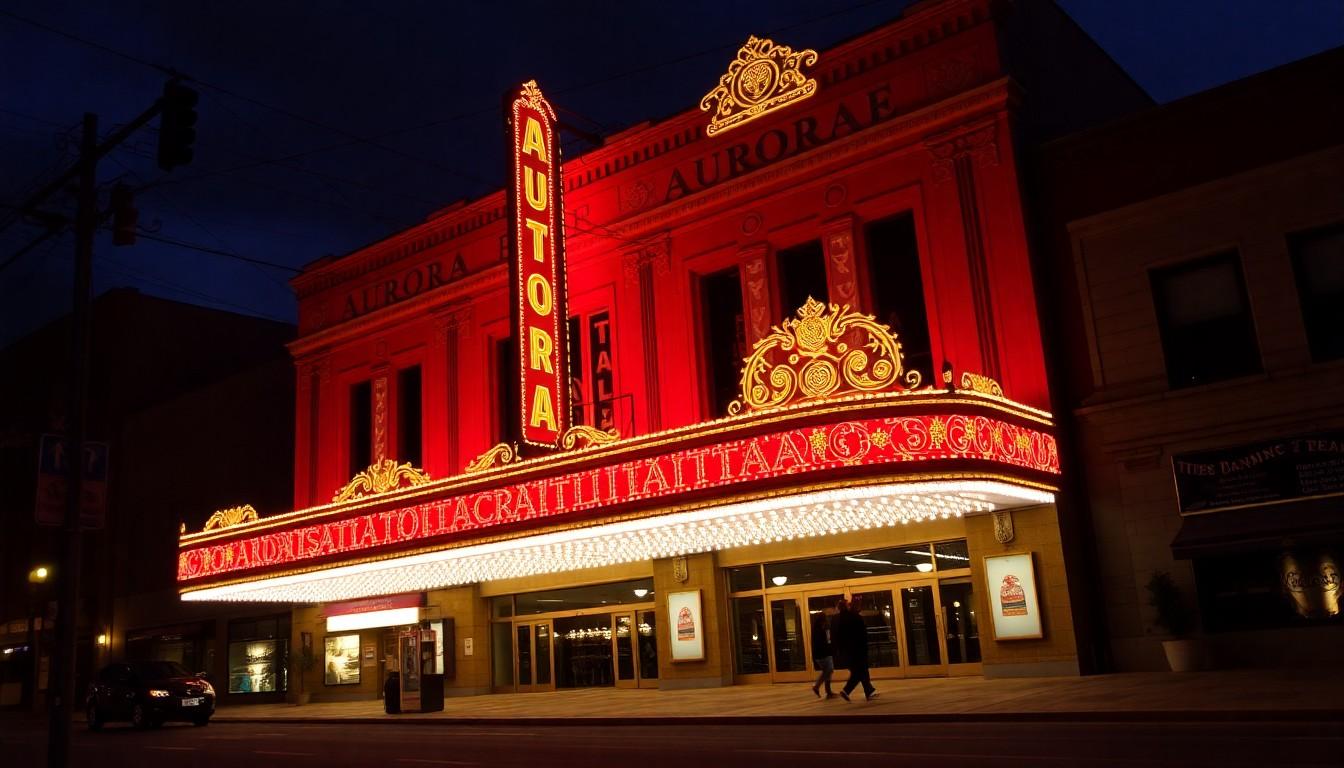
Shoppers of spectacle and lovers of live theatre packed the Aurora Grand as Juneau Glitz returned, teaming sequins, glitter and a giant rainbow flag to celebrate LGBTQ+ creativity and community , here’s what stood out, why it matters, and how the event keeps growing.
Essential Takeaways
- Big turnout: Over 300 people attended Glitz across three nights, creating a lively, packed-house atmosphere.
- Local leadership: Juneau Drag founder Gigi Monroe has run Glitz since 2015; this year’s shows were staged at the Aurora Grand Theater for the first time.
- Diverse acts: The bill featured 15 drag artists, from local performers to national names, with everything from live singing to playful bubble antics.
- Community vibe: Volunteers, tip jars and audience participation gave the event a warm, inclusive feel , “this is where I need to be,” said one volunteer.
- Personal impact: For performers and attendees alike, Glitz functions as both celebration and resistance, emphasising belonging and visibility.
A glittering welcome to the Aurora Grand , what the move meant
The biggest visual this year was a giant rainbow flag and a theatre filled with people leaning in to the sparkle; you could feel the excitement in the plush seats. Juneau Glitz moved into the Aurora Grand Theater while the venue completes renovations elsewhere, giving the show a new sense of scale and stagecraft. Organiser Gigi Monroe, who started Glitz in 2015, has steadily evolved the event into a weekend-long Pride spectacle, and the larger space let performers stretch their acts and play with bigger props. If you’re planning to go next year, expect more theatrical staging and a louder, more communal vibe.
Performances that mixed camp, craft and surprise
The bill mixed lip-syncing, live singing, dance and theatrical costume reveals , and a few surprises, too. Rubin Strange, a drag king performing Sailor Mercury, turned in bubbly, energetic numbers, literally blowing bubbles into the crowd with a bubble gun. That playful interaction is what keeps audiences engaged; small moments like that turn a good performance into a night people talk about for weeks. The programme balanced local talent with visiting names, so you got both community favourites and bigger-stage experience in one evening.
Why Glitz is about more than costumes , it’s community and resistance
For many attendees and performers, Glitz serves as a public declaration: we belong here. Performers like Rubin Strange framed the event as both celebration and political statement, saying Pride and Glitz are “an out and loud megaphone” of presence and resilience. Volunteers handled the cash-for-tips and seating with obvious pride; one volunteer described feeling welcomed into the drag scene. That sense of mutual care is the show’s strongest draw , it’s performance, yes, but also a soft, human network of support.
Visiting performers and the draw of star power
Aria B. Cassadine travelled from Chicago to sing live, bringing national-stage polish and a bit of pageant prestige , she’s competed on tour circuits and appeared on a televised drag competition. Having such acts on the bill raises the bar and draws curious locals and visitors alike. For aspiring performers in the region, it’s a reminder that local stages can mix grassroots energy with professional craft. If you’re choosing seats next time, consider central rows for the best sightlines when performers use the aisle or throw props into the crowd.
Practical tips for first-timers and fans
If you’ve never been to Glitz, go prepared for interaction: bring small bills for tips, wear something bright if you want to join the vibe, and arrive early to pick the best seat. Volunteers often swap large notes for singles so the performers get showered with tips , it’s part of the ritual. Families and allies are welcome; many attendees aren’t LGBTQ+ but come to show support, dress up and enjoy the show. And if sensory issues are a concern, note that live drag can be loud and visually intense , check the venue’s guidance or email organisers ahead of time.
It's a small change that can make every show feel more inclusive and joyful.
Source Reference Map
Story idea inspired by: [1]
Sources by paragraph: