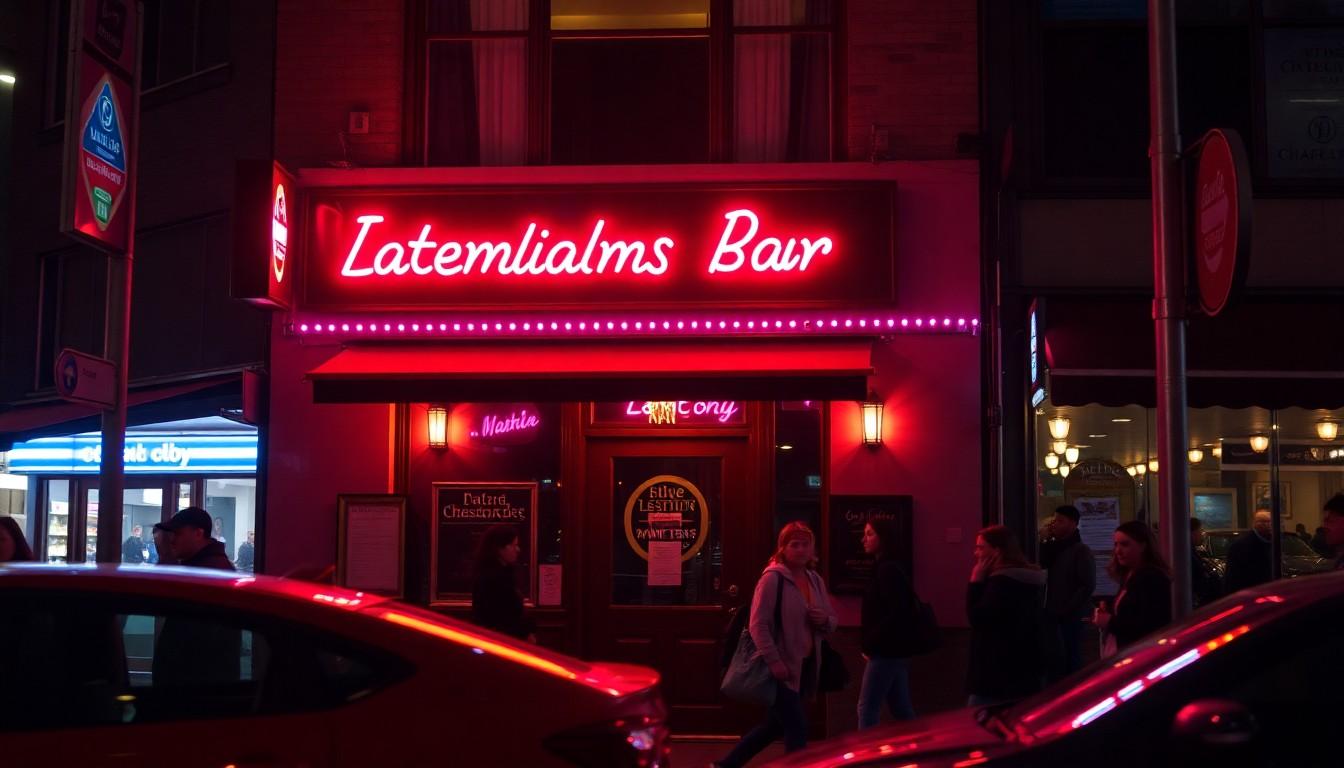
Shoppers and clubbers are rediscovering why gay bars matter , as both refuge and culture hubs , amid closures, rising costs and nightlife changes. From pop-up parties to dwindling lesbian bars, here's what’s happening, why it matters, and how communities can keep queer venues alive.
Essential Takeaways
- Community lifeline: Gay bars still serve as emotional refuge and networking spots, offering visible kinship and support.
- Economic pressure: Rising rents, declining drink sales, and competition from apps and tourism squeeze brick-and-mortar venues.
- Lesbian bar decline: Numbers have plunged since the 1980s; targeted fundraising and rebranding have saved a few landmark venues.
- New formats work: Pop-ups, curated queer-only parties and hybrid online-offline programming are keeping scenes active with a fresher, discreet vibe.
- Practical tip: Seek venues that centre queer performers and kink-positive events if you want authentic queer spaces, not tourist-friendly versions.
Why gay bars are still more than just a night out
Walk into the right bar and you’ll feel it: the smell of cheap perfume, the low hum of laughter, a bartender who knows your usual , it’s a kind of home that belongs to a group that’s been denied public belonging elsewhere. According to reporting on queer nightlife history, these venues evolved when queer identities were criminalised, becoming sites of safety, sex and political organising. That legacy hasn’t evaporated, even if the shape of going out has.
But the model has fractured. As nightlife journalists and historians note, large clubs declined and promoters shifted to itinerant parties, while younger generations drink less and swipe for hookups instead of queuing at a bar. For anyone invested in community survival, that loss of a fixed doorway has profound consequences: there’s nowhere steady to leave a coat, a story, or a phone number.
What's killing the classic gay bar , and what's replacing it
Numbers tell a bleak story, especially for women’s bars. Estimates show lesbian venues in the US have fallen from roughly 200 in the 1980s to just a few dozen today, a drop driven by gentrification, lower disposable income and a shrinking customer base. Meanwhile, straight tourism and trendy mainstreaming mean venues that once felt exclusively queer now host mixed crowds or change tack to chase dollars.
Promoters and DJs from Latin America to the US have responded with niche, discreet events that explicitly repel straight gatecrashers and prioritise queer sexual cultures. These parties often feel more authentic to participants who miss the friction and intimacy of older gay spaces, and they have the practical benefit of being cheaper to run than full-time venues.
Pop-ups, hybrid nights and online communities: the new survival playbook
Not every scene needs a permanent address to thrive. Cities are seeing a rise in pop-up queer nights and hybrid programmes that mix digital meet-ups with small in-person events, which helps organisers dodge high rents and regulatory headaches. Local reporting shows this model has worked in places like Portland and elsewhere, where flexible events keep community ties alive and let promoters test concepts before committing to a lease.
If you’re choosing where to spend your time or money, look for events that explicitly programme LGBTQ+ talent and queer DJs, and those that protect marginalised attendees with clear codes of conduct. These signals usually mean the night prioritises community over novelty.
Why preserving lesbian and trans spaces matters differently
Lesbian bars faced unique economic headwinds: with persistent gender pay gaps, fewer resources flow into women-led nightlife, and many venues rebranded as “queer” to broaden appeal. Yet historic venues that survived did so thanks to targeted campaigns and documentaries that rallied donations and attention. Preservation isn’t just nostalgic, it’s practical , dedicated spaces are crucial for people whose experiences get sidelined even within queer circles.
Policy and philanthropy can help: targeted grants, business rent relief, and community ownership models have protected a handful of venues. For activists and patrons, voting with your feet , and your wallet , matters.
How to support and choose authentic queer nights
If you want to help keep gay bars alive, start local. Volunteer for fundraisers, patronise weekday events that usually struggle to fill seats, and tip performers generously. When scouting nights, prefer venues that book queer artists, feature drag or kink-positive programming and enforce anti-harassment policies. And don’t assume every rainbow sign means a safe, queer-first space , ask, listen and observe.
For venue owners, the practical playbook is clear: diversify income with daytime programmes, partner with community groups, and use pop-ups to build an audience before taking a costly lease. That blend of pragmatism and care is how these flawed but vital homes keep their doors open.
It's a small change that can make every night out feel a little more like home.
Source Reference Map
Story idea inspired by: [1]
Sources by paragraph: