Shoppers and cinephiles alike have been buzzing after Frameline50 wrapped in San Francisco, where the 11‑day LGBTQ+ festival crowned crowd favourites and juried surprises that matter for queer storytelling , from shock‑horror debuts to quiet documentaries, and a rare tied jury prize that signals bold diversity in new filmmaking.
Essential Takeaways
- Historic tie: Frameline’s outstanding first narrative feature prize was split between Leviticus and Test after a statistical tie, a first for the festival’s juried awards.
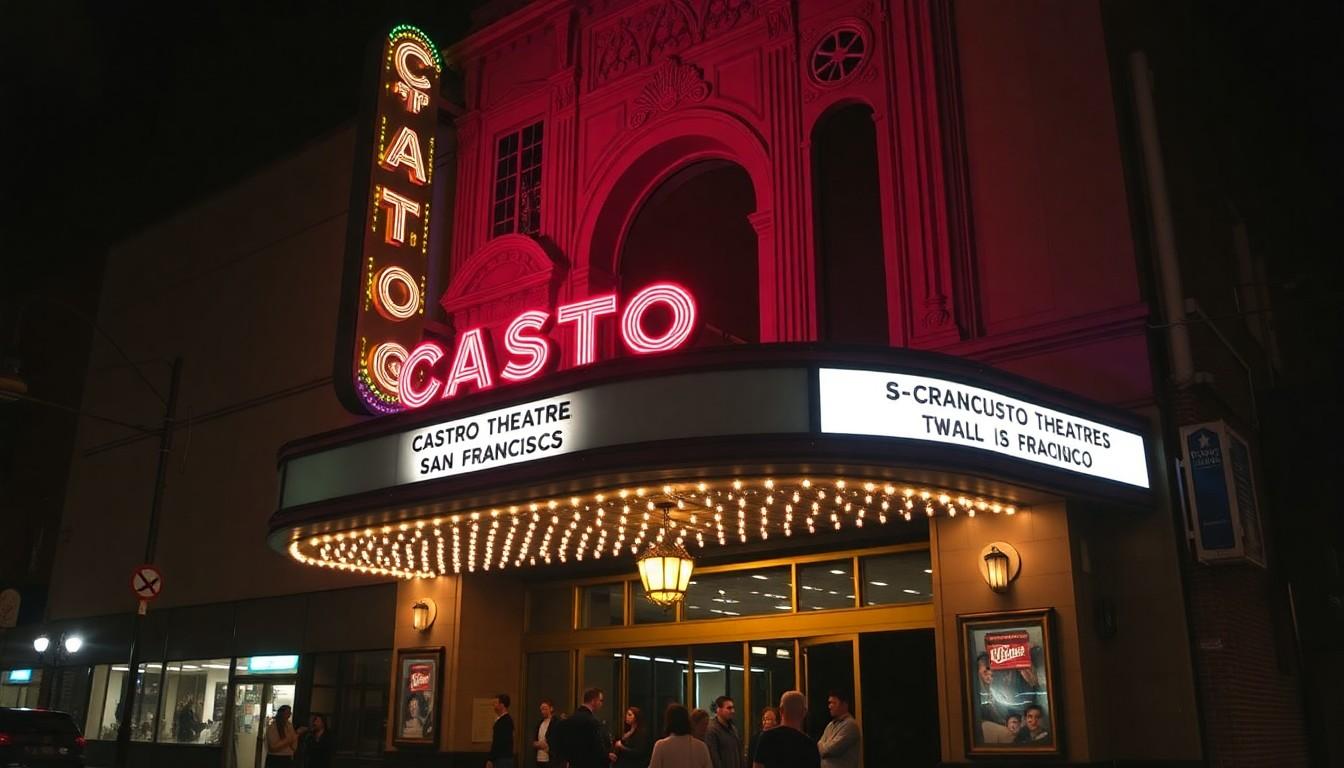
- Audience favourite: Teenage Sex and Death at Camp Miasma won best narrative feature, delivering boisterous laughs and scares at the sold‑out Castro Theatre.
- Documentary highlights: Jaripeo took best documentary and Barbara Forever won outstanding documentary feature, with the latter landing theatrical release plans.
- Shorts that stuck: Brazilian film Morpheus & Charon and Cecile Fountain‑Jardim’s Doug + Me won top short film awards, noted for formal inventiveness and emotional weight.
- Big turnout: Frameline50 screened nearly 150 films from over 30 countries and drew roughly 50,000 attendees during Pride week celebrations.
A split decision that actually tells us something about queer cinema
The biggest headline from Frameline50 wasn’t a single winner but a shared one, and it’s the sort of story festival programmers love because it sparks conversation. The San Francisco Bay Area Film Critics Circle voted both Adrian Chiarella’s Leviticus and Sam McConnell’s Test outstanding first narrative feature after their tally produced a statistical tie. Leviticus, an Australian debut, uses horror to excavate internal and external homophobia, while Test is a gritty sports drama anchored by a star‑making performance from Brock Yurich, who wrote and stars as a closeted amateur bodybuilder. That these two very different films tied suggests jurors are keen to recognise range in new queer voices, not just one fashionable strand.
Why the audience picked a psychosexual slasher to close the festival
Teenage Sex and Death at Camp Miasma closed the festival to a sold‑out Castro Theatre crowd and walked away with the audience prize for best narrative feature. Jane Schoenbrun’s queer psychosexual slasher is loud, clever and designed to provoke a reaction , and the Castro, freshly reopened after a major renovation, was exactly the place for it. Audience awards often signal a film’s communal pleasure rather than critical consensus, and Camp Miasma’s win shows viewers still relish films that make them scream, laugh and talk afterwards. If you want a movie that leaves the room buzzing, this is the one to seek out.
Documentaries that mix history, ritual and cinematic daring
On the nonfiction side, Efraín Mojica and Rebecca Zweig’s experimental rodeo film Jaripeo won best documentary, while Byrdie O’Connor’s Barbara Forever , a portrait of pioneering lesbian filmmaker Barbara Hammer , won outstanding documentary feature and has a theatrical release through Strand Releasing this autumn. Frameline’s documentary programme leaned into archival and experimental work, where personal histories meet performance and ritual. Films like Hunky Jesus, which chronicles the Sisters of Perpetual Indulgence and features the magnetic Sister Roma, proved that local stories with big personalities still pack theatres during Pride.
Short films and personal cinema: small frames, big feelings
Shorts took some of the festival’s most tender moments. The Brazilian Morpheus & Charon won outstanding narrative short for its potent storytelling, while Doug + Me, a formally inventive film about the director’s uncle who died of AIDS before she was born, won the outstanding documentary short. Shorts programmes are where filmmakers take risks: unusual structures, intimate confessions and formal playfulness often find their first audiences here. If you want to spot future features or directors who’ll surprise you, pay attention to the short winners.
Frameline50 in context: a festival that still champions community
Frameline50 coincided with San Francisco’s Pride festivities and returned big crowds to the Castro Theatre, which reopened after a $41 million upgrade. Roughly 50,000 people attended over the festival’s 11 days, and organisers programmed nearly 150 films from over 30 countries. This wasn’t just another film event , it felt like a communal celebration of queer cinema’s present and future. Festivals like Frameline continue to matter because they pair discovery with celebration: filmmakers meet excited audiences, and films that might have been overlooked elsewhere find ardent fans.
It's a small but spirited snapshot of where queer film is headed , diverse, daring and not afraid to split a vote.
Source Reference Map
Story idea inspired by: [1]
Sources by paragraph: